Pneumatic conveying technology is a critical component in the efficient handling of cement raw materials within industrial production processes. This method utilizes air to transport bulk materials through a pipeline system, offering significant advantages such as reduced dust emissions, enhanced safety, and improved process control. For cement manufacturers, selecting the appropriate pneumatic conveying mode—whether positive or negative pressure—is essential for optimizing operational efficiency and maintaining product quality. This article provides a detailed analysis of the two primary modes, highlighting their characteristics, applications, and comparative advantages.
Positive Pressure Pneumatic Conveying
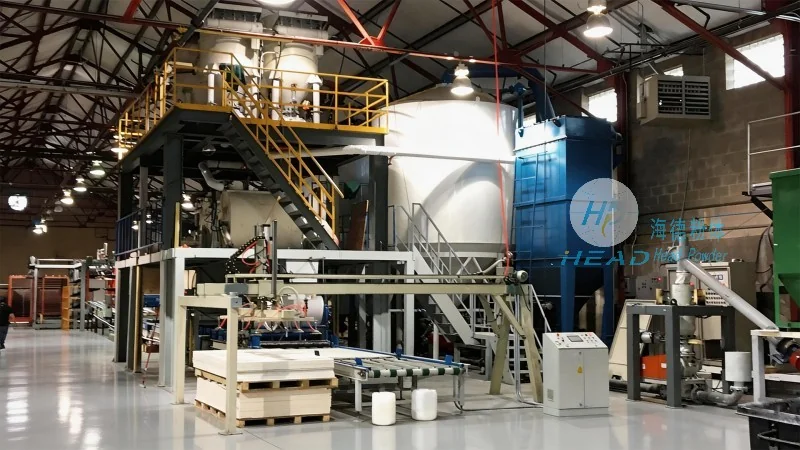
Positive pressure pneumatic conveying operates by generating air pressure within the conveying pipeline, typically using a positive displacement blower or a rotary lobe pump. The system forces air and material through the pipeline, ensuring a continuous flow of raw materials from the source to the destination. This mode is particularly effective for long-distance or high-rise applications, as it can maintain consistent pressure and flow rates over extended distances. The positive pressure system also allows for the transportation of materials through vertical lifts and horizontal runs with minimal pressure drop. In the context of cement raw material handling, positive pressure conveying is often used for transporting raw materials from silos or storage facilities to the preheater or kiln. The system's ability to handle abrasive materials and maintain a consistent flow rate makes it suitable for high-volume production environments. However, it requires careful maintenance of the air compressor and pipeline system to prevent pressure leaks or material blockages. The positive pressure mode is also more energy-intensive compared to negative pressure systems, as it needs to overcome the resistance of the pipeline and material friction.
Negative Pressure Pneumatic Conveying
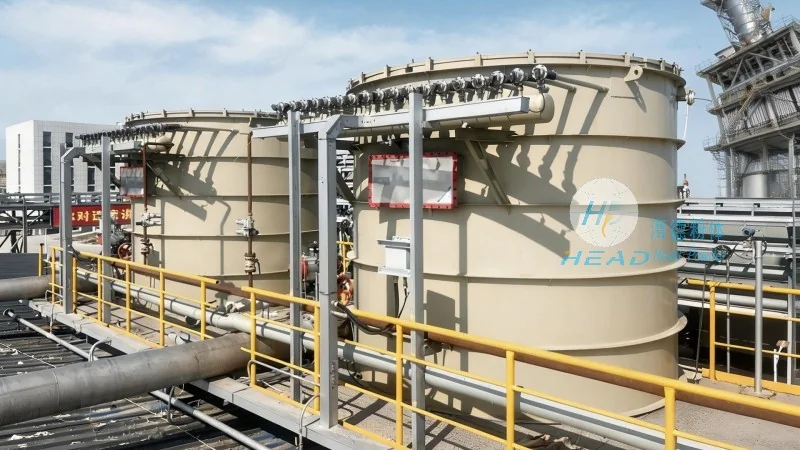
Negative pressure pneumatic conveying, also known as suction conveying, operates by creating a vacuum within the pipeline. The system draws material from the source into the pipeline using a vacuum pump or fan, and then transports it to the destination. This mode is ideal for applications where the material source is at a higher elevation than the destination, as the vacuum helps pull the material downward. Negative pressure conveying is commonly used for short-distance or low-rise applications, such as transporting raw materials from a hopper to a mixer or a storage silo. The system is generally less complex and requires less maintenance compared to positive pressure systems, as it does not involve high-pressure components. However, it has limitations in terms of distance and material capacity. The vacuum pressure is limited by the pump's capacity, and long-distance transportation may result in reduced material flow rates or increased energy consumption. In cement production, negative pressure conveying is often employed for handling fine or dusty materials, as the vacuum helps prevent dust dispersion. The system's lower energy consumption compared to positive pressure makes it a cost-effective option for shorter conveying distances. Nevertheless, it may not be suitable for transporting abrasive or heavy materials over long distances due to the risk of pipeline clogging or material degradation.
Comparison of Positive and Negative Pressure Modes
When comparing positive and negative pressure pneumatic conveying for cement raw material transportation, several factors must be considered. The choice between the two modes depends on the specific application requirements, including distance, elevation difference, material characteristics, and operational constraints. Positive pressure systems excel in long-distance and high-rise applications, offering consistent flow rates and the ability to handle abrasive materials. They are ideal for large-scale production lines where high material throughput is required. On the other hand, negative pressure systems are more suitable for short-distance or low-rise applications, particularly for fine or dusty materials, and offer lower energy consumption and simpler maintenance. The key differences lie in the pressure generation method, energy efficiency, and material handling capabilities. Positive pressure systems require more energy to maintain pressure, while negative pressure systems rely on vacuum generation, which is generally less energy-intensive. However, negative pressure systems have limitations in terms of distance and material capacity, making them less suitable for high-volume or long-distance operations. In terms of material quality, positive pressure systems are better at preserving the integrity of the raw materials, as the high pressure prevents material degradation or clogging. Negative pressure systems, while effective for dust control, may cause some material attrition due to the vacuum suction process. Ultimately, the selection of the appropriate mode should be based on a thorough analysis of the production requirements, cost considerations, and operational efficiency goals.
About Shandong HeadPowder Engineering Co., Ltd.
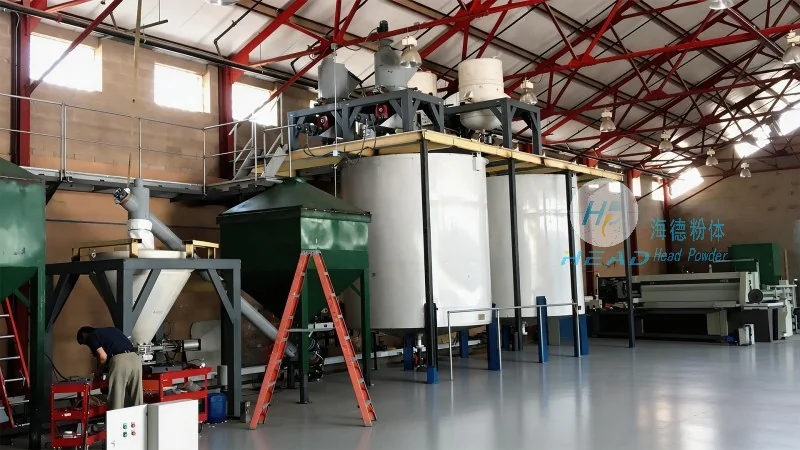
Shandong HeadPowder Engineering Co., Ltd., operating under the brand name headpowder, specializes in the design, manufacturing, and installation of advanced pneumatic conveying systems for the cement industry. With a focus on delivering high-quality solutions tailored to the specific needs of cement manufacturers, the company has extensive experience in implementing both positive and negative pressure conveying technologies. HeadPowder's expertise lies in optimizing material flow, reducing operational costs, and enhancing overall production efficiency. The company's facilities are located in Shandong, China, where it leverages local resources and industry knowledge to provide reliable and durable equipment. By combining cutting-edge technology with practical application, HeadPowder aims to support cement producers in achieving their operational goals while maintaining product quality and safety standards. The company's commitment to innovation and customer satisfaction has made it a trusted partner in the cement industry, offering customized solutions that meet the evolving demands of modern production lines.




