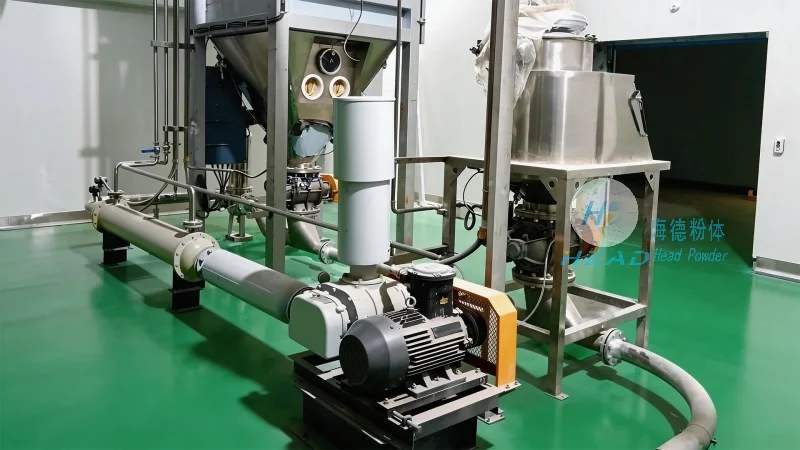
Dye pneumatic conveying is a specialized method used in the chemical and textile industries to transport dry dye powders or granules through a system of pipes using compressed air or other gas. This technology offers an efficient and clean alternative to traditional bulk material handling methods, such as bucket elevators or belt conveyors, by eliminating the need for direct contact between the material and mechanical components. The process involves feeding the dye into a hopper, where it is then drawn into a pipeline by the pressure differential created by the moving air. As the air flows through the pipe, it carries the dye particles along, depositing them at the destination point through a separation device like a cyclone or filter.
Introduction to Dye Pneumatic Conveying
Dye pneumatic conveying systems are widely employed in the dye manufacturing and processing sectors due to their ability to handle fine powders with minimal degradation. Unlike mechanical conveyors, which can cause particle attrition and contamination, pneumatic systems maintain the integrity of the dye, ensuring consistent quality for downstream applications. The technology is particularly advantageous for materials that are hygroscopic or prone to caking, as the enclosed system prevents moisture absorption and maintains a controlled environment. By utilizing compressed air as the primary driving force, these systems achieve high throughput rates while minimizing labor costs and operational downtime.
Design Principles of Dye Pneumatic Conveying Systems
The design of a dye pneumatic conveying system is governed by several critical principles that ensure optimal performance and reliability. The first principle is the selection of the appropriate air velocity, which must be sufficient to overcome the gravitational forces acting on the dye particles and maintain their suspension in the air stream. Typically, air velocities range from 20 to 30 meters per second for fine dye powders, depending on particle size and density. A higher velocity ensures that particles remain airborne and prevents blockages in the pipeline, while a lower velocity may lead to deposition and system inefficiencies. The second principle involves the sizing of the conveying line, which is determined by the material's flow properties and the required throughput. The diameter of the pipe is usually calculated based on the volumetric flow rate of the air and the particle loading, with larger diameters used for higher capacities to reduce pressure drop and energy consumption.
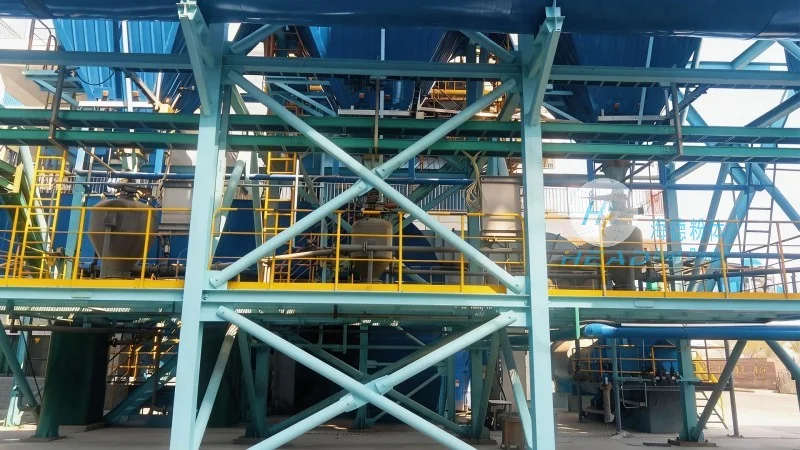
A third key design consideration is the configuration of the system, including the placement of feeding, conveying, and receiving equipment. The layout must minimize the number of bends and changes in direction, as these can cause particle separation and increase pressure losses. For example, a straight pipeline with gradual bends and smooth transitions is preferred over sharp angles or abrupt changes. Additionally, the system should incorporate a pressure relief valve and a filter to prevent dust accumulation and maintain air quality. The choice of materials for the pipeline and components is also crucial, as they must resist corrosion and abrasion from the dye particles. Stainless steel or high-grade plastic is commonly used to ensure durability and prevent contamination of the product.
Key Components and Their Functions in Dye Pneumatic Conveying
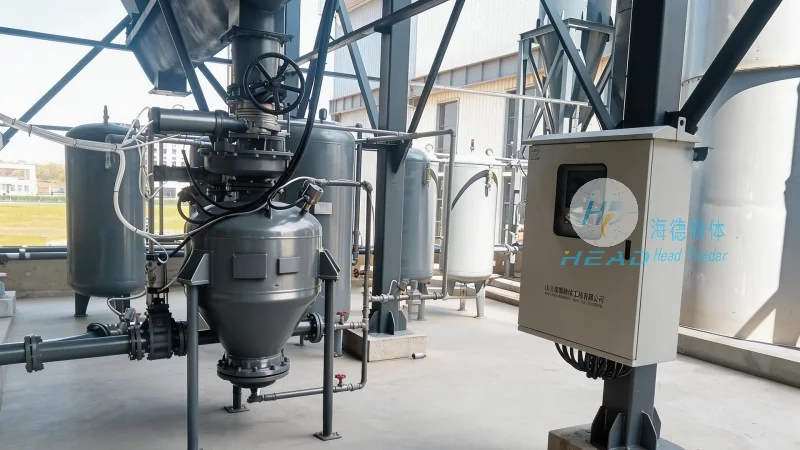
A dye pneumatic conveying system consists of several essential components, each playing a vital role in the overall operation. The primary components include the material feeder, which is responsible for introducing the dye into the system at a controlled rate. The feeder can be a rotary valve, a screw feeder, or a pressure feeder, depending on the material's characteristics and the required flow rate. The feeder must be designed to handle the specific properties of the dye, such as its flowability and tendency to clog. The second component is the air compressor or blower, which generates the necessary pressure to move the material through the pipeline. The compressor must be capable of delivering the required air volume and pressure while maintaining energy efficiency. The third component is the conveying line, which transports the dye and air mixture from the feeder to the destination point. The line is typically made of stainless steel or plastic, with smooth inner surfaces to minimize friction and pressure drop. The fourth component is the separation device, such as a cyclone or filter, which removes the dye from the air stream at the receiving end. The separation device must be efficient in capturing the fine particles while allowing the air to be recirculated or discharged. The final component is the control system, which monitors and regulates the operation of the entire system. The control system includes sensors for pressure, flow, and temperature, as well as a control panel to adjust the settings as needed. This system ensures that the conveying process is stable and consistent, preventing overloading or underloading of the pipeline.
Advantages of Dye Pneumatic Conveying Over Traditional Methods
Compared to traditional bulk material handling methods, dye pneumatic conveying offers several significant advantages that make it the preferred choice for many manufacturers. The first advantage is its high efficiency in terms of throughput and energy consumption. Pneumatic systems can achieve high material flow rates with lower energy input compared to mechanical conveyors, which require more power to move the material. The second advantage is the improved product quality and consistency. By maintaining the dye in an enclosed system, the process prevents contamination from external sources and minimizes particle degradation. This ensures that the final product meets the strict quality standards required in the textile and dye industries. The third advantage is the enhanced safety and hygiene. Pneumatic systems eliminate the need for manual handling of powders, reducing the risk of dust explosions and exposure to harmful particles. Additionally, the enclosed design prevents dust from escaping into the environment, making it more environmentally friendly. The fourth advantage is the flexibility and scalability of the system. Pneumatic conveying systems can be easily modified or expanded to accommodate changes in production volume or product types. This makes them suitable for both small-scale and large-scale operations, from laboratory testing to industrial production lines.
Application Scenarios in the Dye Industry
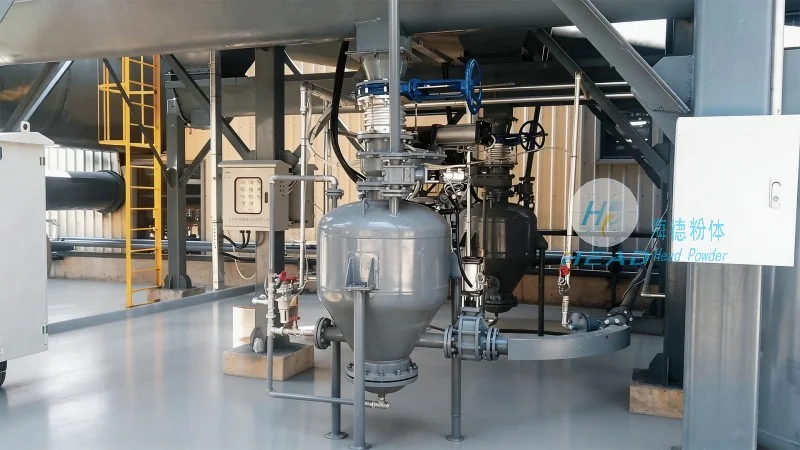
Dye pneumatic conveying is widely used in various stages of the dye manufacturing and processing cycle. In the production of synthetic dyes, the system is employed to transport raw materials, such as pigments and solvents, from storage tanks to the mixing and grinding units. The fine powders are conveyed through the pipeline to the mixing tanks, where they are combined with other chemicals to form the final dye product. In the processing of natural dyes, the system is used to handle the dried and ground plant materials, such as indigo or madder, and transport them to the extraction and purification stages. The dye is then conveyed to the dyeing facilities, where it is mixed with water and applied to textiles. In the textile industry, the system is used to transport the dyed fabrics from the washing and drying stages to the finishing and packaging areas. The pneumatic conveying system ensures that the fabrics are handled gently and without damage, maintaining the quality of the final product. Additionally, the system is used in quality control laboratories to transport small samples of dye for testing and analysis. The ability to handle small quantities of material with high precision makes it ideal for research and development purposes.
Company Profile: Shandong HeadPowder Engineering Co., Ltd.
Shandong HeadPowder Engineering Co., Ltd., commonly known as HeadPowder, is a leading manufacturer and supplier of pneumatic conveying systems and related equipment for the chemical and textile industries. The company is headquartered in Shandong, China, and has a strong reputation for providing high-quality, customized solutions tailored to the specific needs of its clients. HeadPowder specializes in the design, manufacturing, and installation of dye pneumatic conveying systems, as well as other bulk material handling equipment. The company's products are known for their durability, efficiency, and reliability, which have earned it a loyal customer base in both domestic and international markets. HeadPowder's team of engineers and technicians has extensive experience in the field of pneumatic conveying, and they work closely with clients to develop solutions that meet their unique requirements. The company adheres to strict quality control standards and uses advanced manufacturing techniques to ensure that its products meet or exceed industry specifications. HeadPowder's commitment to innovation and customer satisfaction has made it a trusted partner for many businesses in the dye and chemical sectors. With a focus on providing comprehensive solutions, the company offers not only the equipment but also technical support and maintenance services to ensure the long-term performance of its systems. This approach has helped HeadPowder build strong relationships with its clients and maintain a competitive edge in the market.




