Barium Sulfate Pneumatic Conveying: What It Is and Its Design Principles
Release time:2026-09-14 10:52:32
name of the company:Shandong Headpowder Engineering Co., Ltd.
telephone:156-6277-7102
contacts:Zhang manager
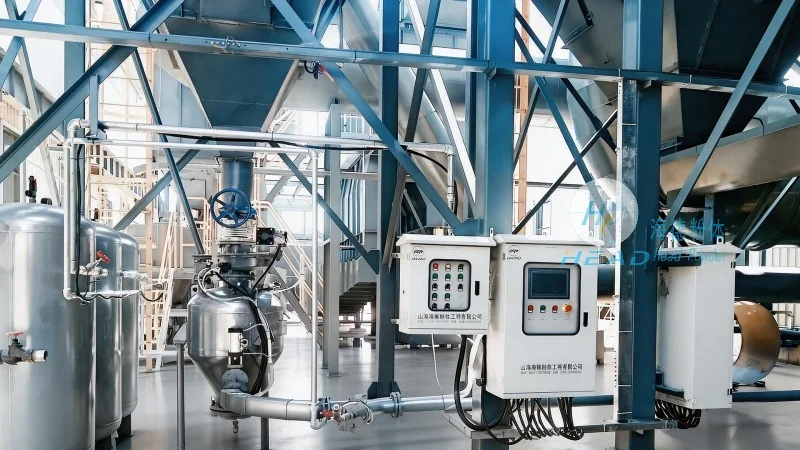
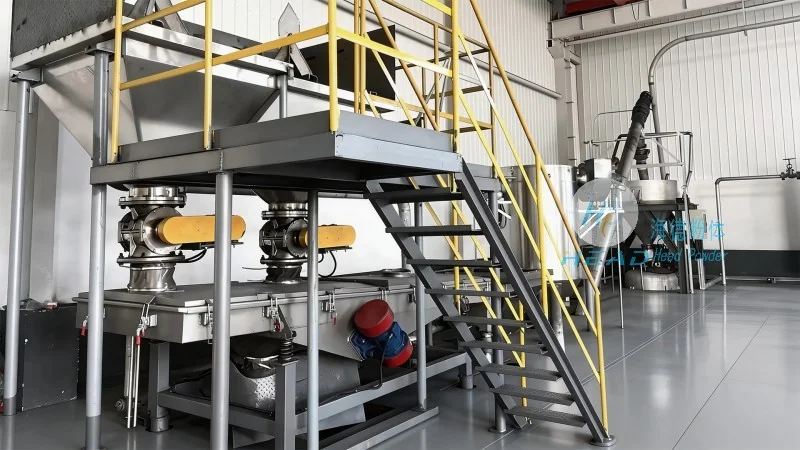
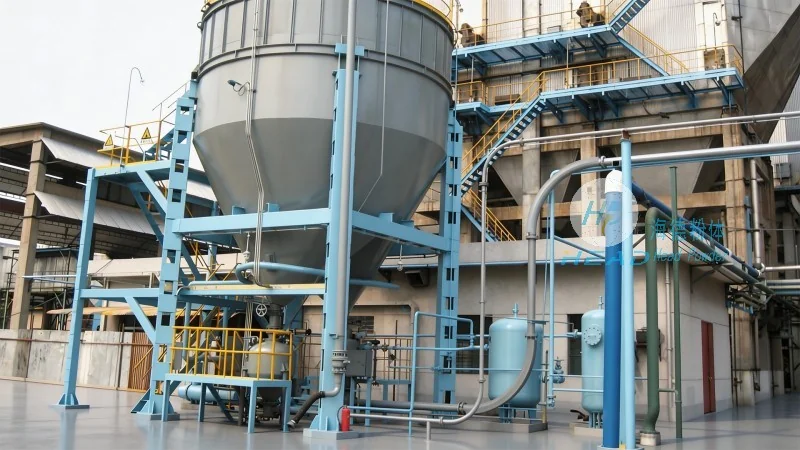
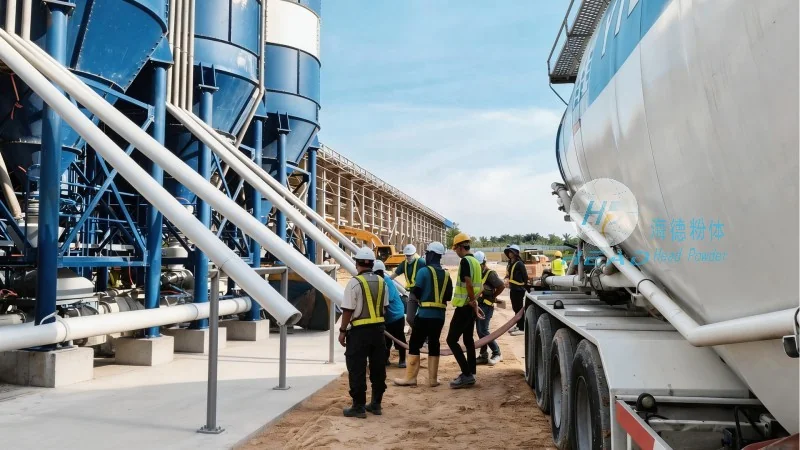
Barium sulfate pneumatic conveying is a specialized material handling technique used to transport barium sulfate—a white, insoluble powder with a high density and fine particle size—through a pipeline system using compressed air. This method is widely adopted in industries such as paint, rubber, pharmaceuticals, and ceramics, where the material is used as a filler, pigment, or additive. Unlike traditional mechanical conveyors (e.g., belt or screw conveyors), pneumatic conveying eliminates the need for physical contact between the material and the conveyor, reducing the risk of contamination and wear. The process involves feeding the barium sulfate into a hopper, mixing it with air under controlled pressure, and transporting it through a network of pipes to the destination point. The air then separates from the material at the receiving end, allowing the barium sulfate to be collected in a silo or storage tank.
The Core Design Principles of Barium Sulfate Pneumatic Conveying Systems
The effectiveness of barium sulfate pneumatic conveying systems is determined by several critical design principles that ensure optimal performance, efficiency, and safety. First, the system must be engineered to handle the unique physical properties of barium sulfate, including its particle size distribution (typically 1-100 microns), bulk density (approximately 4.5 g/cm³), and flow characteristics (often cohesive or free-flowing depending on moisture content). The pipeline diameter is a key factor; larger diameters are used for higher flow rates to minimize pressure drop and prevent particle segregation. Materials of construction are also critical: stainless steel or high-quality plastic pipes are preferred to prevent corrosion and ensure smooth material flow. Second, the air velocity and pressure are carefully controlled to maintain a consistent flow rate without causing particle degradation or system wear. This balance is achieved through the use of airlocks (e.g., rotary or slide valves) at the inlet and outlet of the pipeline, which regulate the air and material mixture. Cyclones or filters are installed at the receiving end to separate the barium sulfate from the air, ensuring that the material is collected efficiently and the air is cleaned for reuse. Third, the system incorporates safety features such as pressure relief valves, dust collection systems, and emergency shut-off mechanisms to prevent accidents and maintain compliance with industrial standards (e.g., OSHA, ATEX). These design elements work together to create a robust and reliable conveying solution that minimizes downtime and maximizes productivity.




