Pneumatic conveying technology has become a crucial method for transporting algal residue pellets, which are byproducts from algal biomass processing. This technology efficiently handles the material, ensuring minimal loss and contamination during the transfer process. The choice between positive and negative pressure modes significantly impacts the system's performance, cost, and operational safety. This article provides a detailed analysis of these two modes, highlighting their applications and comparative advantages.
Understanding Positive Pressure Pneumatic Conveying
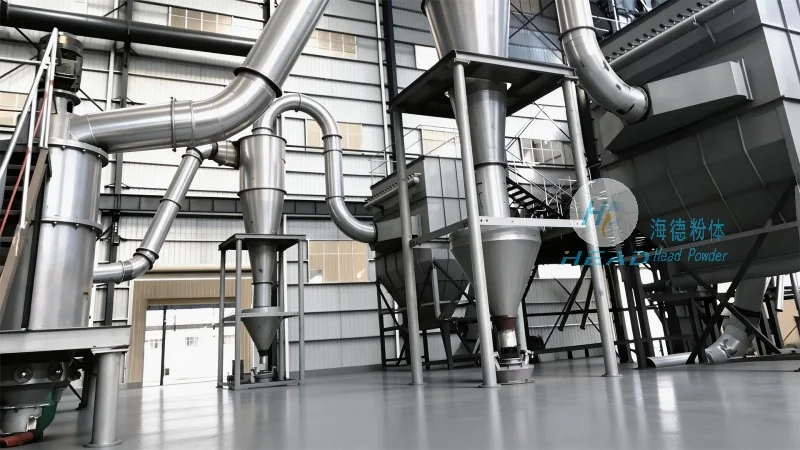
Positive pressure systems operate by blowing air or a carrier gas into the conveying line, creating a pressure higher than the ambient air. This mode is particularly suitable for transporting algal residue pellets over short to medium distances, typically up to several hundred meters. The high pressure ensures that the material is pushed through the pipeline, making it ideal for applications where the material is light and has low abrasiveness. The system is also effective in preventing dust emissions, as the sealed pipeline maintains a positive pressure that keeps contaminants from entering the environment. However, positive pressure systems require robust equipment to handle the higher pressure, which can increase initial investment costs. Additionally, they may experience higher energy consumption due to the continuous compression of air.
Exploring Negative Pressure Pneumatic Conveying
Negative pressure systems, on the other hand, draw material into the conveying line using a vacuum or suction. This mode is commonly used for longer distances, often exceeding a kilometer, and is suitable for transporting algal residue pellets that are heavier or more abrasive. The vacuum creates a pressure lower than the ambient air, pulling the material through the pipeline. One of the key advantages of negative pressure systems is their lower initial cost compared to positive pressure systems, as they require less powerful and less expensive equipment. However, they are more susceptible to dust and particle leakage, as the system operates under a negative pressure that can allow contaminants to escape. This can lead to environmental concerns and increased maintenance needs due to the higher risk of clogging or wear on components.
Comparative Analysis of Positive and Negative Pressure Modes
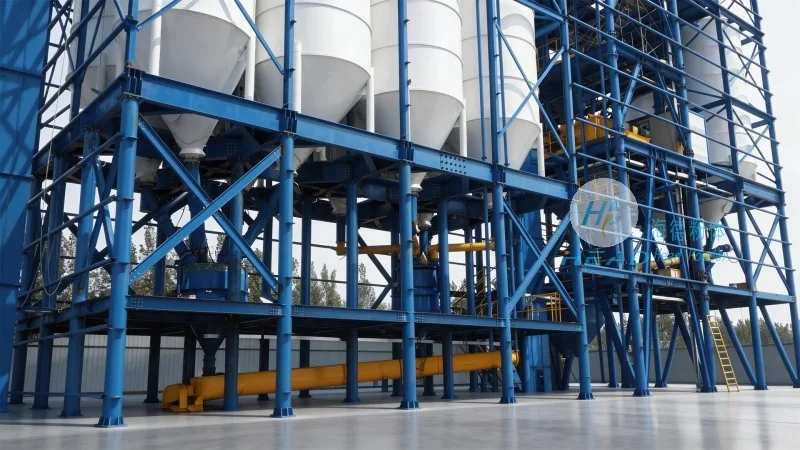
When comparing the two modes, several factors must be considered to determine the most suitable option for algal residue pellet transportation. Distance is a primary factor: positive pressure is better for shorter distances, while negative pressure is more effective for longer runs. Material characteristics, such as particle size, density, and abrasiveness, also play a significant role. Lighter, less abrasive pellets are better suited for positive pressure, whereas heavier or more abrasive materials are better handled by negative pressure systems. Cost is another critical consideration. Positive pressure systems generally have higher initial costs due to the need for high-pressure pumps and robust pipelines, whereas negative pressure systems are more economical for longer distances. Operational safety is also a key aspect. Positive pressure systems are less likely to cause dust explosions due to their sealed environment, whereas negative pressure systems may pose a higher risk of dust accumulation and potential fire hazards. Energy consumption is another factor, with positive pressure systems typically consuming more energy due to the continuous compression of air, while negative pressure systems may have lower energy use but higher maintenance costs.
Application Scenarios and Practical Considerations
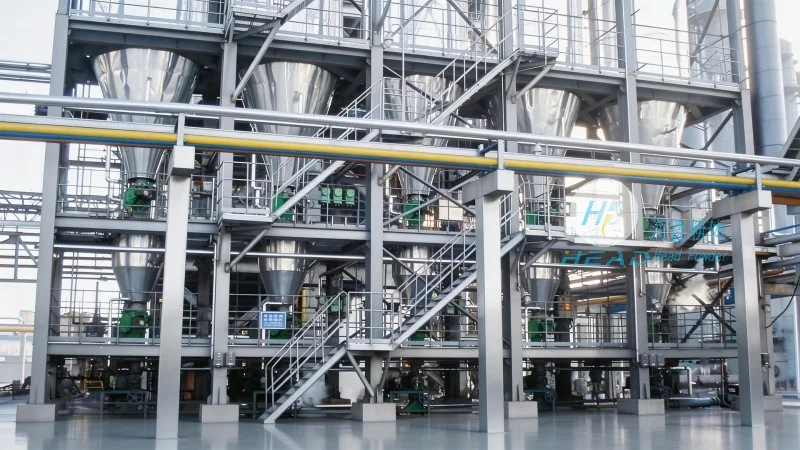
The choice between positive and negative pressure modes depends on the specific application requirements. For example, in a small-scale algal biomass processing facility with short transport distances, a positive pressure system may be more cost-effective and efficient. Conversely, for a large-scale operation requiring long-distance transportation of algal residue pellets, a negative pressure system might be more suitable due to its lower cost and ability to handle longer distances. Environmental regulations also influence the choice, as positive pressure systems are often preferred in areas with strict dust emission controls. Maintenance and operational complexity are additional considerations. Positive pressure systems require regular checks on high-pressure components, while negative pressure systems need more frequent cleaning to prevent clogging and maintain suction efficiency.
About Shandong HeadPowder Engineering Co., Ltd.
Shandong HeadPowder Engineering Co., Ltd., commonly known as headpowder, is a leading provider of pneumatic conveying solutions for various industrial applications, including algal residue pellet transportation. With a focus on innovation and quality, the company specializes in designing and manufacturing customized systems that meet the specific needs of clients. Headpowder's expertise lies in optimizing the performance of both positive and negative pressure modes, ensuring efficient and reliable material transfer. The company's team of engineers and technicians work closely with clients to assess their requirements and develop tailored solutions that enhance operational efficiency and reduce costs. Headpowder's commitment to sustainability and environmental responsibility is reflected in its design of systems that minimize dust emissions and comply with industry standards. Based in Shandong, China, headpowder serves clients globally, providing comprehensive support from system design to installation and maintenance. The company's reputation is built on its ability to deliver high-quality, reliable pneumatic conveying systems that meet the evolving needs of the industry.




