For industrial applications, the efficient and safe handling of fly ash is a critical challenge. Pneumatic conveying of fly ash offers a solution that leverages air to transport this fine particulate material. Understanding the fundamentals of this technology, including its design principles, is essential for optimizing operations and ensuring compliance with safety standards.
Understanding Pneumatic Conveying of Fly Ash
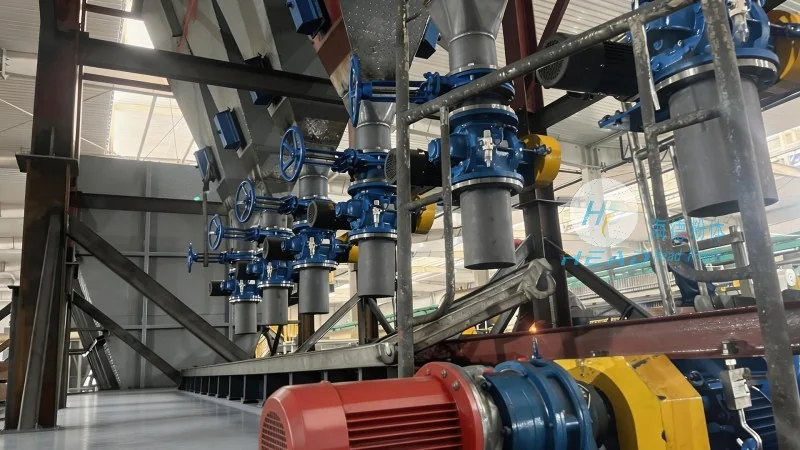
Pneumatic conveying of fly ash involves the use of air to move the material from a source to a destination. This method is particularly suitable for handling fine powders like fly ash, which can be difficult to transport using traditional methods such as bulk bags or trucks. The process typically involves a system that includes a hopper, a conveyor line, and a receiver, all connected by a network of pipes. The air is introduced into the system, creating a flow that carries the fly ash particles through the pipes. This approach minimizes the need for manual handling and reduces the risk of dust exposure for workers.
The Core Components of a Pneumatic Conveying System
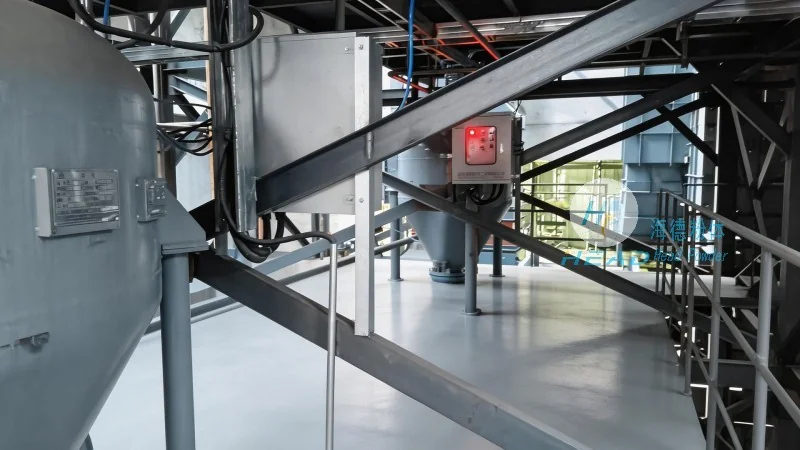
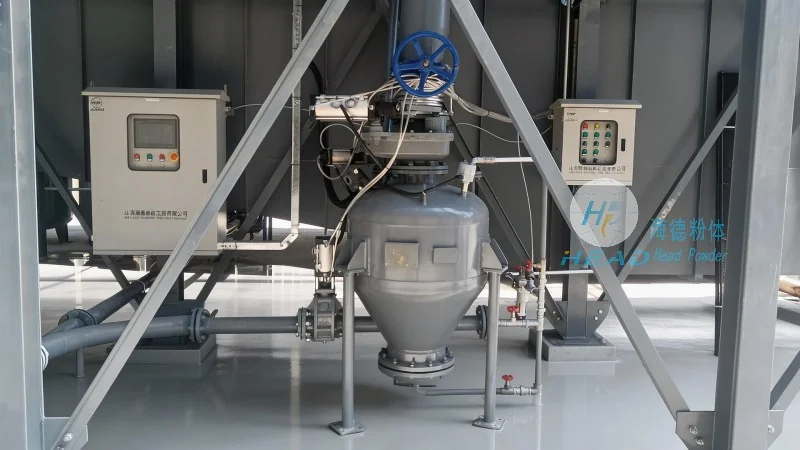
A typical pneumatic conveying system for fly ash consists of several key components. The first is the hopper, which stores the fly ash and provides a controlled feed to the system. The hopper is equipped with a feeder, such as a rotary valve or a screw conveyor, that regulates the flow of material into the conveyor line. The conveyor line itself is made of materials that are resistant to abrasion and corrosion, as fly ash can be abrasive and may contain acidic components. The line is connected to a receiver, which collects the fly ash at the destination. The system also includes a blower or a vacuum pump that generates the air pressure or suction needed to move the material. In some cases, a filter system is added to capture any fine particles that may escape the main line, ensuring environmental compliance.
Design Principles for Efficient Fly Ash Conveying
The design of a pneumatic conveying system for fly ash must consider several factors to ensure efficiency and reliability. The first is the particle size and density of the fly ash, as these properties affect the air velocity required for transport. Larger or denser particles may require higher air velocities to prevent clogging. The system design must also account for the distance and elevation changes between the source and destination, as these factors impact the energy consumption and system performance. The choice of conveying method, whether it is a pressure system or a vacuum system, is another critical design consideration. Pressure systems are generally more suitable for short distances and high volumes, while vacuum systems are better for longer distances or when the material needs to be collected from multiple points. The system must also be designed to handle variations in material flow, such as fluctuations in ash production, to maintain consistent performance. Additionally, the system should incorporate safety features, such as pressure relief valves and dust collection systems, to protect personnel and the environment.
Applications and Benefits of Pneumatic Conveying
Pneumatic conveying of fly ash is widely used in various industrial applications, including power plants, cement plants, and waste management facilities. The primary benefits of this technology include improved safety, as it eliminates the need for manual handling of hazardous materials. It also reduces the risk of dust explosions and improves air quality by containing the material within the system. The system is also more efficient than traditional methods, as it can transport large volumes of fly ash over long distances with minimal energy consumption. Additionally, the system can be integrated with other processes, such as ash utilization or disposal, to streamline operations and reduce costs. The use of pneumatic conveying also allows for better control over the material flow, which is essential for maintaining consistent quality in downstream processes.
Conclusion
Pneumatic conveying of fly ash is a sophisticated technology that offers significant advantages over traditional material handling methods. By understanding the design principles and components of a pneumatic conveying system, industrial facilities can optimize their operations and ensure compliance with safety and environmental regulations. The technology is particularly effective for handling fine particulate materials like fly ash, providing a safe and efficient solution for transporting this material. As the demand for efficient and sustainable industrial practices grows, the use of pneumatic conveying systems for fly ash is likely to become even more prevalent, contributing to the overall improvement of industrial processes and environmental protection.




