Lightweight cement pneumatic conveying is a specialized method used to transport lightweight cement powders through a pipeline system using air as the conveying medium. This technology is crucial for industries that require efficient and reliable handling of lightweight cement, such as construction, manufacturing, and material processing. Understanding the fundamentals of this process and its design principles is essential for optimizing material transport and ensuring operational efficiency.
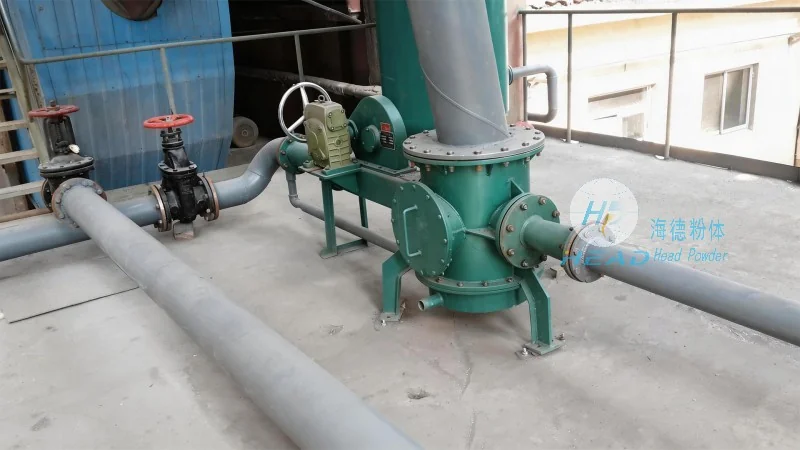
Understanding Lightweight Cement Pneumatic Conveying
Lightweight cement, often characterized by its low density compared to traditional cement, presents unique challenges in material handling. Pneumatic conveying systems address these challenges by utilizing air pressure to move the cement particles through a sealed pipeline. The core of this technology lies in the balance between air velocity, particle size, and pipeline design to achieve effective and continuous transport without clogging or degradation of the material.
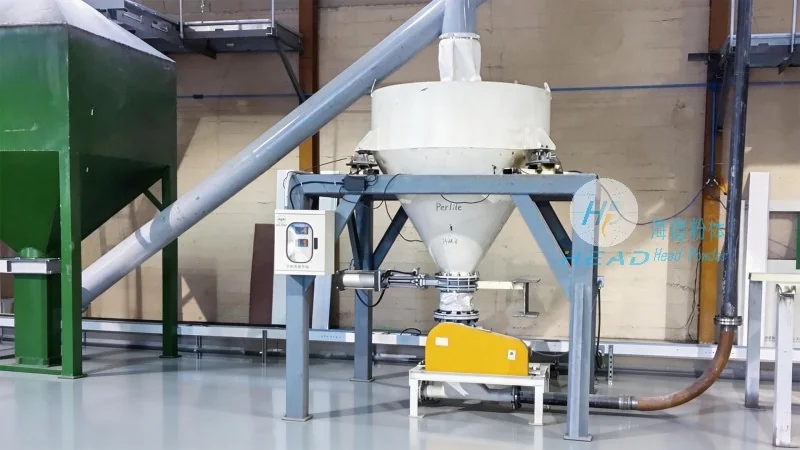
Key Design Principles for Pneumatic Conveying Systems
The design of a pneumatic conveying system for lightweight cement involves several critical principles that ensure optimal performance. First, the air velocity must be sufficient to lift and transport the cement particles without causing excessive wear on the system components. This is typically determined by the specific gravity of the cement and the desired conveying distance. Second, the pipeline layout and diameter are carefully selected to maintain a consistent air flow and prevent particle accumulation or blockages. Third, the system incorporates features like cyclones or filters to separate the cement from the air at the end of the conveying line, ensuring clean material recovery and air purification.
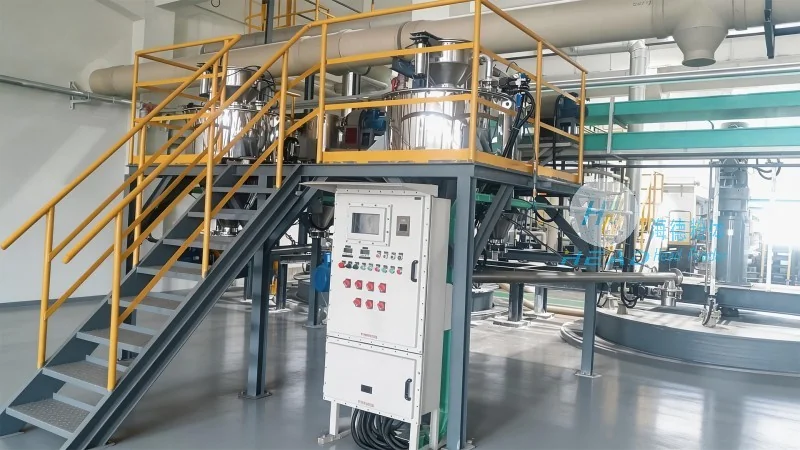
Components and Operational Mechanics
A typical lightweight cement pneumatic conveying system consists of several key components. The process begins with the cement being fed into a hopper or feeder, which controls the flow rate into the system. From there, the cement is introduced into a pipeline where compressed air is introduced to create a flow that carries the particles. The air and cement mixture travels through the pipeline to a receiver or collection unit, where the air is separated from the cement, often using a cyclone separator or bag filter. The separated cement is then stored or used in the next production step, while the air is either recirculated or vented to the atmosphere.
Advantages and Applications
Lightweight cement pneumatic conveying offers several advantages over traditional bulk handling methods. It provides a dust-free and enclosed transport solution, which is beneficial for maintaining a clean working environment and complying with environmental regulations. Additionally, this method allows for precise control over the material flow rate, reducing waste and improving process efficiency. The technology is widely used in the production of lightweight concrete, insulation materials, and other cement-based products where consistent and high-quality material transport is critical.
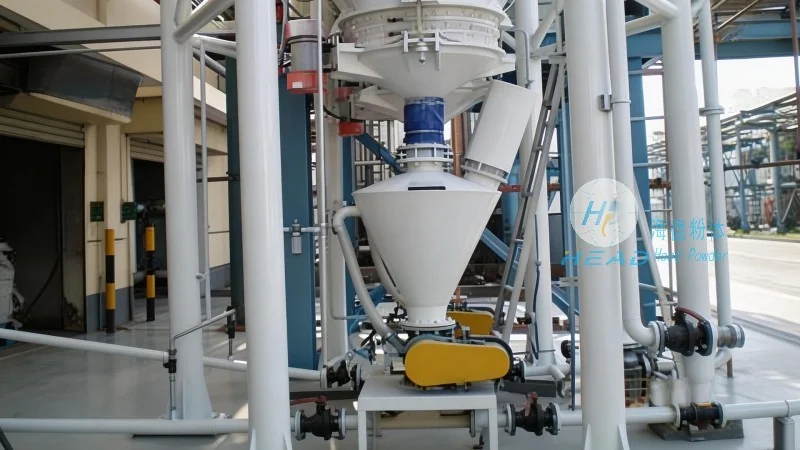
About Shandong HeadPowder Engineering Co., Ltd.
Shandong HeadPowder Engineering Co., Ltd., a leading provider in the field of material handling solutions, specializes in designing and manufacturing advanced pneumatic conveying systems tailored to the needs of the cement and construction industries. With a focus on innovation and customer satisfaction, HeadPowder offers customized solutions that enhance operational efficiency and ensure the reliable transport of lightweight cement. The company’s expertise in system design, component selection, and installation ensures that clients receive systems that meet their specific requirements and industry standards. HeadPowder’s commitment to quality and service has made it a trusted partner for businesses seeking to optimize their material handling processes.




