Lysine, a crucial amino acid widely used in animal feed and food production, requires efficient and reliable transportation methods to maintain product quality and operational efficiency. Pneumatic conveying has emerged as a preferred solution for handling lysine powders due to its ability to transport materials without direct contact, minimizing contamination risks and enabling seamless integration into production lines. This article provides a detailed analysis of two primary pneumatic conveying modes—positive pressure and negative pressure systems—comparing their operational principles, advantages, and practical applications.
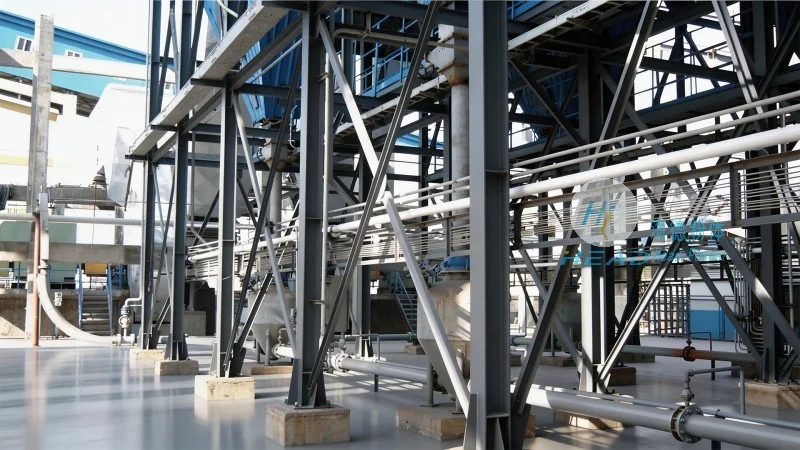
HeadPowder: Your Trusted Partner in Lysine Handling Solutions
Shandong HeadPowder Engineering Co., Ltd., a leading manufacturer based in Shandong, China, specializes in designing and supplying advanced pneumatic conveying systems tailored to the unique needs of the lysine industry. With years of experience in material handling technology, HeadPowder combines expertise in engineering, manufacturing, and service to deliver customized solutions that enhance productivity, reduce downtime, and ensure compliance with industry standards. The company’s commitment to innovation and customer satisfaction has positioned it as a key player in the global lysine processing sector.
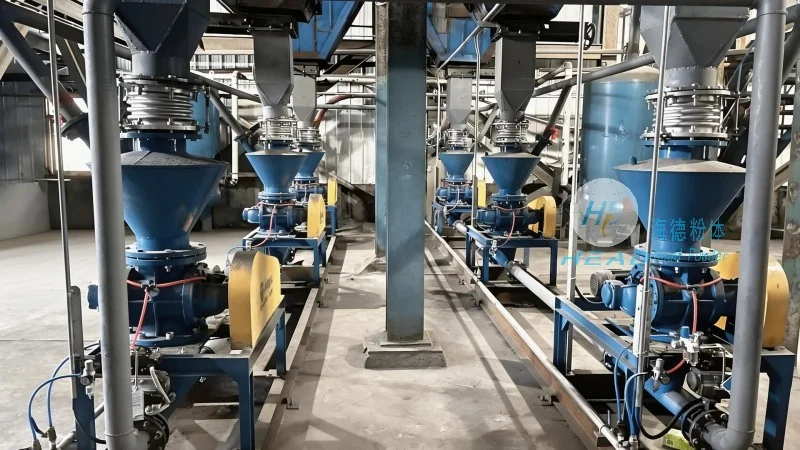
Positive Pressure Pneumatic Conveying: How It Works
Positive pressure systems operate by generating air pressure within the conveying line, which forces material to move from the source to the destination. In the context of lysine handling, this mode typically involves a blower or compressor that supplies compressed air to the system. The material is fed into the line via a hopper or feeder, and the pressurized air propels the powder through the pipeline. A key advantage of positive pressure is its ability to handle long distances and multiple transfer points without significant pressure loss, making it suitable for large-scale lysine production facilities. Additionally, positive pressure systems are generally more robust and less prone to blockages compared to negative pressure systems, as the high air pressure helps maintain material flow.
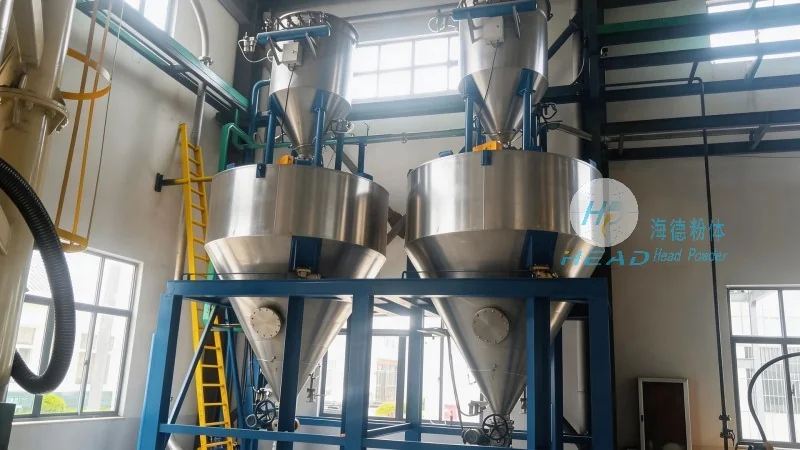
Key Features and Applications of Positive Pressure Lysine Conveying
Positive pressure pneumatic conveying for lysine offers several distinct advantages that make it ideal for high-volume operations. First, the system’s ability to maintain consistent pressure ensures reliable material transport, even when dealing with abrasive or sticky lysine powders. This consistency is critical for maintaining product quality, as it prevents segregation or agglomeration during transfer. Second, the design of positive pressure systems allows for easy integration with existing production lines, reducing the need for extensive modifications. For example, a positive pressure conveyor can be connected to a lysine dryer or mixer, enabling a seamless flow of material from one process stage to the next. Third, the system’s self-cleaning capabilities, due to the high air velocity, help prevent material buildup in the pipeline, which is essential for maintaining hygiene standards in food and animal feed applications. HeadPowder’s positive pressure conveying solutions are engineered to meet these requirements, with options for different air pressures, pipeline diameters, and material feed rates to suit various production scales.
Negative Pressure Pneumatic Conveying: Operational Principles
Negative pressure systems, also known as vacuum conveying, operate by creating a vacuum in the conveying line, which draws material from the source into the system. In lysine handling, a vacuum pump is used to remove air from the pipeline, creating a pressure differential that pulls the powder from the hopper or storage bin to the destination. This mode is particularly effective for short to medium distances and when the material needs to be transported from a higher elevation to a lower one. Negative pressure systems are generally more energy-efficient for short distances, as they require less power to create a vacuum compared to generating high-pressure air for positive pressure systems.
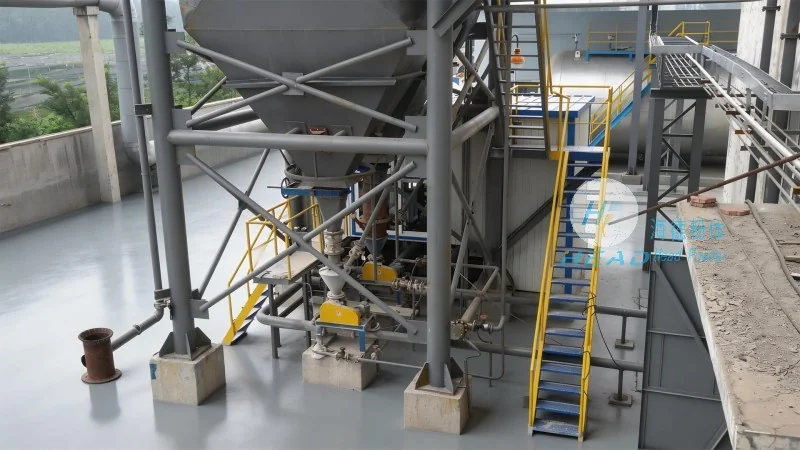
Advantages and Limitations of Negative Pressure Lysine Conveying
While negative pressure systems offer energy savings for shorter distances, they have specific limitations that must be considered when handling lysine. One primary drawback is the risk of material blockages, especially with fine or cohesive lysine powders. The lower air velocity in vacuum systems can cause particles to stick together or adhere to the pipeline walls, leading to clogs that require frequent maintenance. Additionally, negative pressure systems are less effective for long-distance transport, as the pressure differential diminishes over distance, potentially reducing material flow rates. Another consideration is the need for proper filtration and dust control, as the vacuum pump can draw in ambient air and fine particles, which may affect product purity. HeadPowder addresses these challenges by incorporating advanced filtration systems and material handling components designed to minimize blockages and ensure consistent performance.




