When handling calcite through pneumatic conveying systems, preventing pipeline blockages is a critical challenge. The efficiency and reliability of the entire conveying process depend heavily on proper system design and operational parameters. This article explores effective strategies to mitigate blockages and highlights key design parameters that ensure smooth calcite transport.
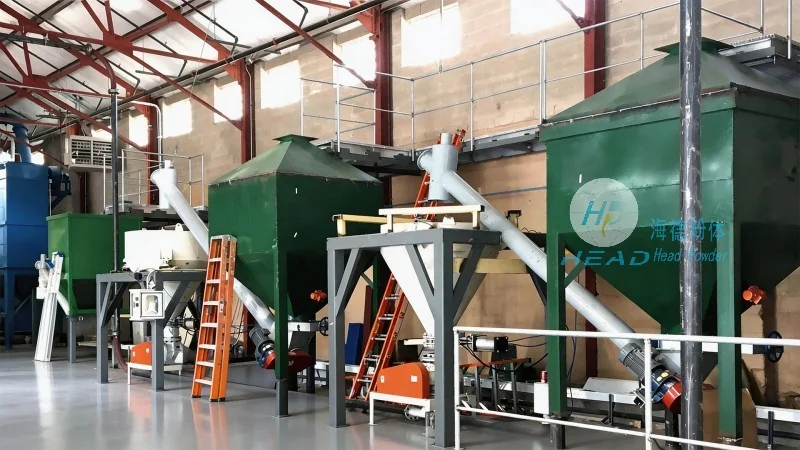
Understanding the Risks of Blockages in Calcite Conveying
Calcite, a common mineral used in various industrial applications, presents unique challenges when conveyed via pneumatic systems. Its particle size, density, and flow characteristics can lead to agglomeration and clogging in pipelines. Blockages not only disrupt production but also increase maintenance costs and reduce system lifespan. Therefore, addressing this issue proactively is essential for any calcite handling operation.
Key Design Parameters for Preventing Blockages
Several critical design parameters must be considered to prevent blockages in pneumatic calcite conveying systems. The first is the selection of appropriate air velocity. Maintaining a sufficient air velocity above the minimum fluidization velocity (MFV) of calcite particles ensures that the material remains suspended and flows smoothly. Typically, air velocities of 20-30 m/s are recommended for fine calcite powders to prevent settling and clogging.
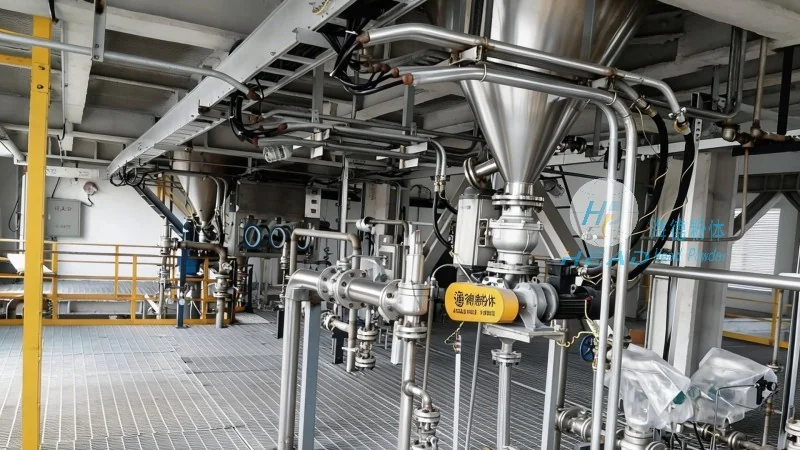
Another crucial parameter is the pipe diameter. Larger pipe diameters reduce the risk of blockages by providing more space for particles to move and by minimizing friction losses. However, excessively large diameters can increase system costs and energy consumption. A balance must be struck based on the calcite particle size and the required conveying capacity.
The material of construction is also a key factor. Calcite is mildly corrosive and can be abrasive. Choosing materials like stainless steel or high-grade alloys that resist corrosion and wear is vital. This not only prevents blockages caused by material degradation but also ensures the longevity of the system.
System layout and bends also play a significant role. Sharp bends and sudden changes in pipe direction can cause particles to settle and accumulate, leading to blockages. Designing smooth, gradual bends with appropriate radii (typically at least 5 times the pipe diameter) helps maintain flow and reduces the risk of clogging.
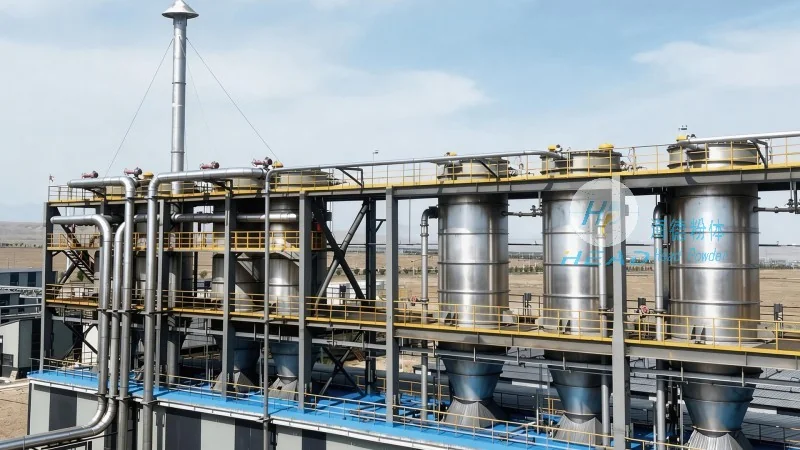
Additionally, the use of inline mixers or agitators can help break up agglomerates and maintain a uniform particle distribution. These devices ensure that calcite particles remain suspended and prevent the formation of clumps that could cause blockages.
Operational Strategies to Enhance System Performance
Beyond design parameters, operational strategies are essential for preventing blockages. Regular maintenance and cleaning of the system are critical. This includes checking for wear and tear in components, ensuring proper air filtration to prevent dust accumulation, and cleaning the pipeline after each use or when blockages occur.
Monitoring system performance is another effective strategy. Using sensors to track air pressure, flow rates, and particle concentration can help detect early signs of potential blockages. If pressure drops or flow rates decrease unexpectedly, it may indicate the onset of clogging, allowing for timely intervention.
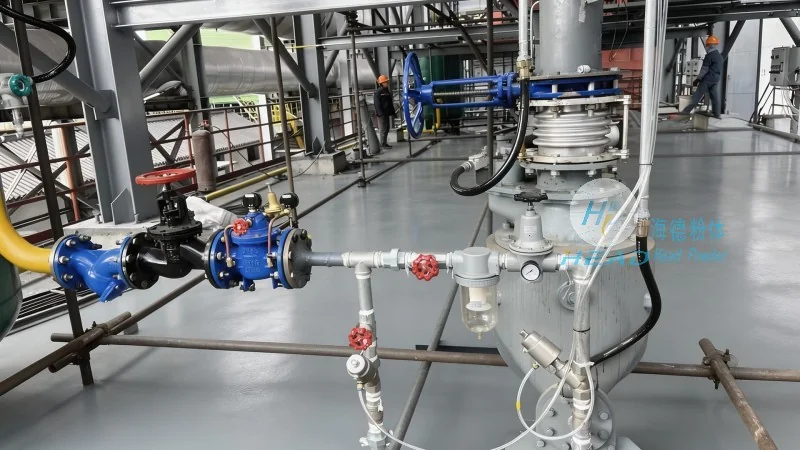
Proper material preparation is also important. Pre-drying calcite to remove moisture can prevent agglomeration, as moisture can cause particles to stick together. Additionally, sieving the material to remove oversized or foreign objects can reduce the risk of blockages caused by debris.
Conclusion: Ensuring Efficient Calcite Conveying
Preventing pipeline blockages in pneumatic calcite conveying systems requires a combination of careful design and diligent operation. By focusing on key parameters such as air velocity, pipe diameter, material selection, and system layout, along with effective operational strategies, calcite handling operations can achieve high efficiency and reliability. Companies like Shandong HeadPowder Engineering Co., Ltd. specialize in designing and implementing such systems, leveraging years of experience to provide tailored solutions that meet the specific needs of calcite processing facilities.




