How to Prevent Pipeline Blockages in the Pneumatic Conveying System for Manganese Carbonate? What ar
Release time:2026-09-14 10:40:37
name of the company:Shandong Headpowder Engineering Co., Ltd.
telephone:156-6277-7102
contacts:Zhang manager
When transporting manganese carbonate using pneumatic conveying systems, preventing pipeline blockages is a critical challenge. Manganese carbonate, with its specific physical and chemical properties, can easily cause clogging if the conveying system is not properly designed and operated. This article will explore effective strategies to prevent blockages and highlight the key design parameters that ensure smooth and efficient material transport.
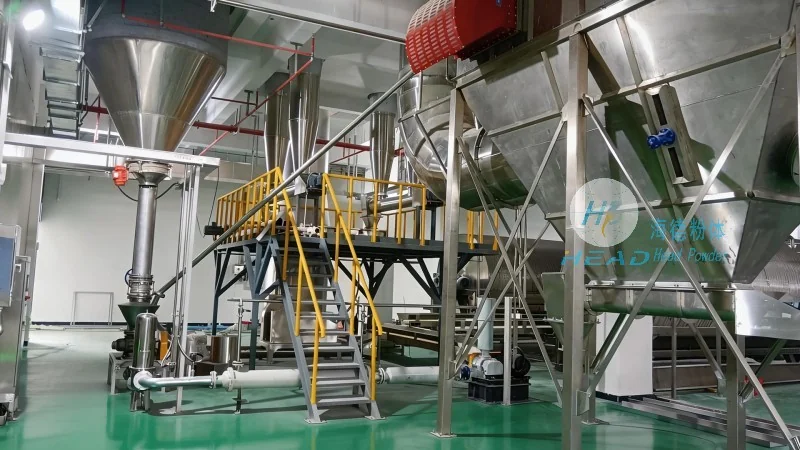
Understanding the Risks of Pipeline Blockages in Manganese Carbonate Conveying
Manganese carbonate, often used in industrial applications such as battery production and chemical manufacturing, has characteristics that make it prone to agglomeration and bridging during transport. These issues can lead to significant downtime, increased maintenance costs, and reduced system efficiency. Proper system design is essential to mitigate these risks and maintain consistent material flow.
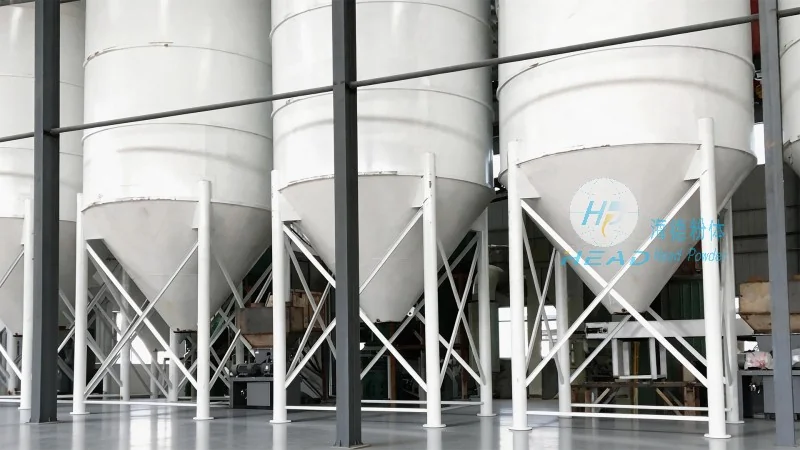
Key Design Parameters for Preventing Blockages in Pneumatic Conveying
Several critical design parameters must be considered to prevent pipeline blockages in pneumatic conveying systems for manganese carbonate. These parameters include:
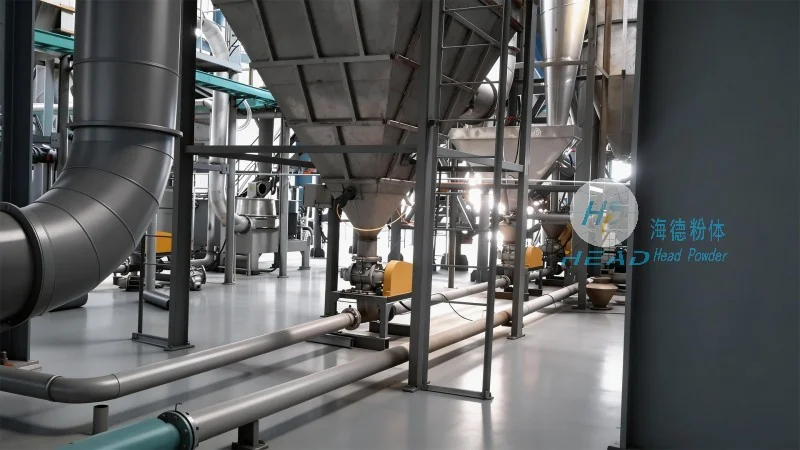
- Material Properties Analysis: Thoroughly understanding the particle size distribution, moisture content, and flowability of manganese carbonate is the first step. This information helps in selecting the appropriate conveying velocity and system configuration.
- Conveying Velocity Optimization: The velocity of the air or gas used for conveying plays a crucial role. Insufficient velocity can lead to material settling and blockages, while excessive velocity may cause erosion and increased energy consumption. The optimal velocity is typically determined based on the material's properties and the system's design.
- Pipeline Sizing and Layout: The diameter and length of the conveying pipeline are critical factors. Proper sizing ensures that the material can be transported without excessive pressure drop or risk of clogging. The layout should also minimize bends and changes in direction, as these can cause material accumulation and blockages.
- Pressure and Flow Control: Maintaining consistent pressure and flow rates is essential. Fluctuations in pressure can disrupt the material flow and lead to blockages. Advanced control systems, such as variable frequency drives (VFDs) and pressure sensors, help in regulating the system to prevent such issues.
- Material Conditioning: Pre-treating the manganese carbonate, such as drying or adding anti-caking agents, can improve its flowability and reduce the risk of agglomeration. This step is particularly important for materials with high moisture content.
Role of HeadPowder Engineering in Designing Efficient Systems
Shandong HeadPowder Engineering Co., Ltd., a leading provider of pneumatic conveying solutions, specializes in designing systems tailored to the unique needs of manganese carbonate transport. With years of experience in the industry, HeadPowder engineers work closely with clients to analyze material properties, assess operational requirements, and implement the key design parameters discussed above. The company's expertise ensures that the conveying systems are not only effective in preventing blockages but also energy-efficient and cost-effective.
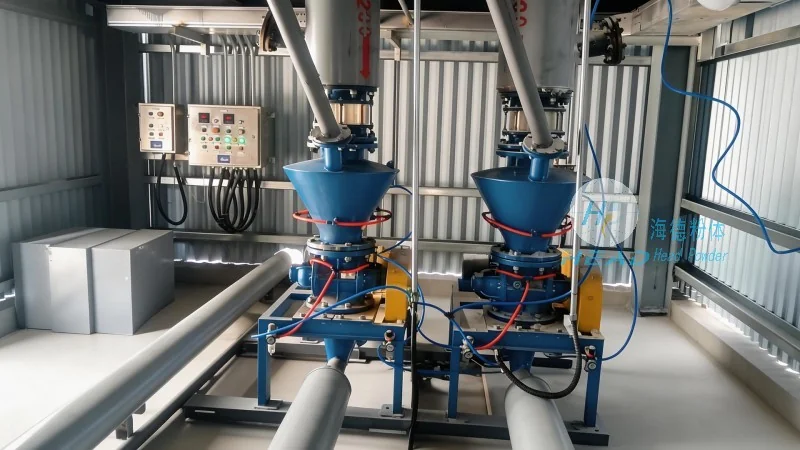
Conclusion: Ensuring Reliable and Efficient Manganese Carbonate Transport
Preventing pipeline blockages in pneumatic conveying systems for manganese carbonate requires a comprehensive approach that considers material properties, system design, and operational parameters. By optimizing conveying velocity, pipeline layout, and pressure control, and incorporating material conditioning where necessary, systems can achieve reliable and efficient transport. Companies like Shandong HeadPowder Engineering Co., Ltd. play a vital role in providing expert design and implementation services to ensure that these systems operate at their best, minimizing downtime and maximizing productivity.




