Handling rare earth materials efficiently and safely is a critical challenge in modern industrial processes. Among the various methods available, pneumatic conveying systems have emerged as a preferred solution due to their ability to transport powders and granules over long distances without the need for mechanical components. However, a common issue in such systems is pipeline blockage, which can lead to operational disruptions and increased maintenance costs. This article explores how to prevent pipeline blockages in rare earth material handling using pneumatic conveying systems and highlights the key design parameters that contribute to system reliability and performance.
Understanding the Risks of Pipeline Blockages in Rare Earth Material Handling
Rare earth elements, such as neodymium, praseodymium, and dysprosium, are often processed as fine powders or granules. These materials can exhibit cohesive properties that make them prone to agglomerating and forming solid plugs within the conveying pipeline. When blockages occur, they can cause pressure surges, system shutdowns, and even equipment damage. For industries relying on consistent supply chains, minimizing these risks is essential. Pneumatic conveying systems, while effective, require careful design to mitigate the formation of blockages and ensure smooth operation.
Key Design Parameters for Preventing Pipeline Blockages in Pneumatic Conveying Systems
Several critical design parameters must be considered when designing a pneumatic conveying system for rare earth materials to prevent pipeline blockages. These parameters are tailored to the specific characteristics of the material, such as particle size, density, and flowability. The first parameter is the conveying velocity, which must be maintained above the minimum fluidization velocity to keep the material in suspension. Insufficient velocity can lead to particle settling and subsequent blockage. Engineers typically calculate the required velocity based on the material's properties and the pipeline diameter.
Another crucial parameter is the air-to-solid ratio, which refers to the ratio of air volume to material volume. An optimal air-to-solid ratio ensures that the material remains fully suspended and prevents the formation of dense, low-velocity zones where blockages are likely to occur. The ratio is influenced by the material's density and the system's pressure. A higher air-to-solid ratio generally reduces the risk of blockages but increases energy consumption, so a balance must be struck based on operational requirements.
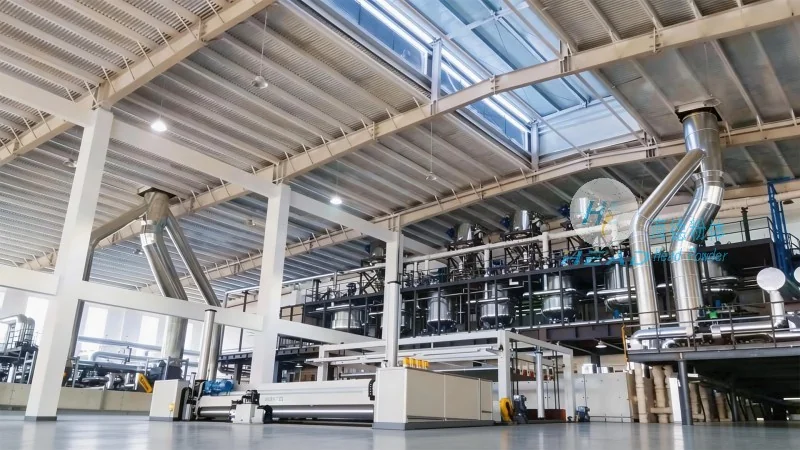
The pipeline design itself plays a significant role in preventing blockages. The use of smooth, corrosion-resistant materials, such as stainless steel or PTFE-coated pipes, minimizes friction and reduces the likelihood of material adhesion. Additionally, the inclusion of bends and elbows with gradual radii helps maintain the material's flow and prevents the accumulation of particles at sharp turns. The diameter of the pipeline is also critical; larger diameters reduce the velocity of the material-air mixture, which can help prevent blockages by allowing more air to interact with the particles and keep them suspended.
System pressure and flow control mechanisms are essential for maintaining consistent operation and preventing sudden pressure drops that could lead to blockages. Variable frequency drives (VFDs) are commonly used to regulate the air flow and maintain a stable conveying velocity. Pressure sensors and flow meters provide real-time monitoring, allowing operators to detect any deviations and adjust the system parameters promptly. This proactive approach helps prevent the buildup of pressure that can cause blockages and ensures the system operates within safe limits.
Role of Material Handling Equipment in Preventing Blockages
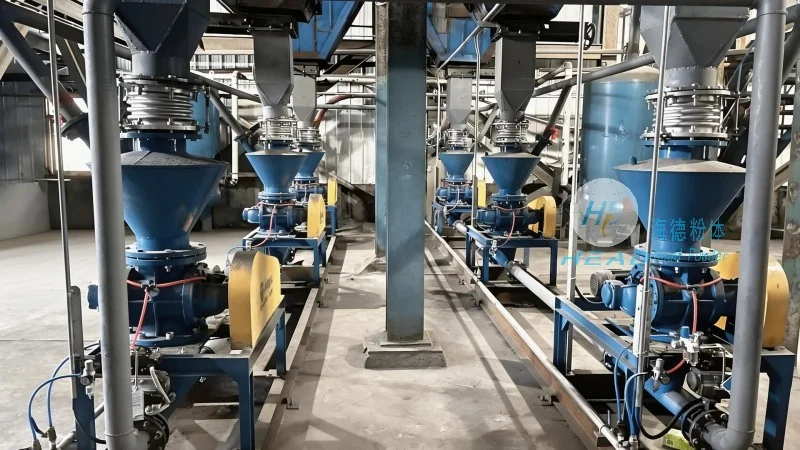
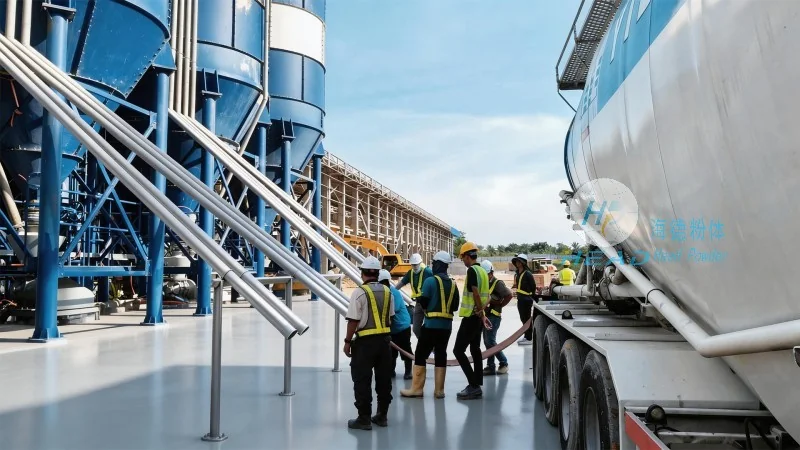
The choice of material handling equipment, such as feeders and separators, is also critical in preventing pipeline blockages. Properly designed feeders ensure a consistent material feed rate, which prevents surges that can lead to blockages. For rare earth materials, which may have varying moisture content or particle size distributions, feeders with adjustable speed controls are recommended. Separators, such as cyclones or filters, are used to remove entrained air and fine particles from the conveying stream, preventing them from accumulating in the pipeline and causing blockages.
Case Study: Successful Implementation by Shandong HeadPowder Engineering Co., Ltd.
Shandong HeadPowder Engineering Co., Ltd., a leading provider of pneumatic conveying solutions, has successfully implemented systems to prevent pipeline blockages in rare earth material handling projects. One such project involved transporting neodymium oxide from a processing plant to a storage facility over a distance of 500 meters. The system was designed with a high air-to-solid ratio and smooth stainless steel pipelines, which minimized the risk of blockages. Real-time monitoring using pressure sensors and flow meters allowed the operators to detect any deviations and adjust the system parameters as needed. Over the course of a year, the system operated with minimal blockages, resulting in reduced downtime and increased productivity. This case study highlights the importance of proper design and monitoring in preventing pipeline blockages in rare earth material handling.
Conclusion: Ensuring Reliable Operation with Pneumatic Conveying Systems
Preventing pipeline blockages in rare earth material handling using pneumatic conveying systems requires a comprehensive approach that considers material properties, system design, and operational parameters. By optimizing conveying velocity, air-to-solid ratio, pipeline design, and flow control, engineers can significantly reduce the risk of blockages and ensure the smooth operation of the system. The key is to tailor the design to the specific characteristics of the rare earth material and to implement real-time monitoring to detect and address any issues promptly. With the right design parameters and equipment, pneumatic conveying systems can provide reliable and efficient transport of rare earth materials, supporting the needs of industries that rely on these critical elements.




