For industries dealing with talc powder, the efficient and reliable operation of pneumatic conveying systems is crucial. However, one of the most common challenges is pipeline blockage, which can lead to system downtime and increased maintenance costs. Understanding and implementing the right design parameters are essential to mitigate these issues and ensure smooth material transport. This article explores effective strategies and key design considerations for preventing blockages in talc powder pneumatic conveying systems, with insights from Shandong HeadPowder Engineering Co., Ltd., a leading provider in the field.
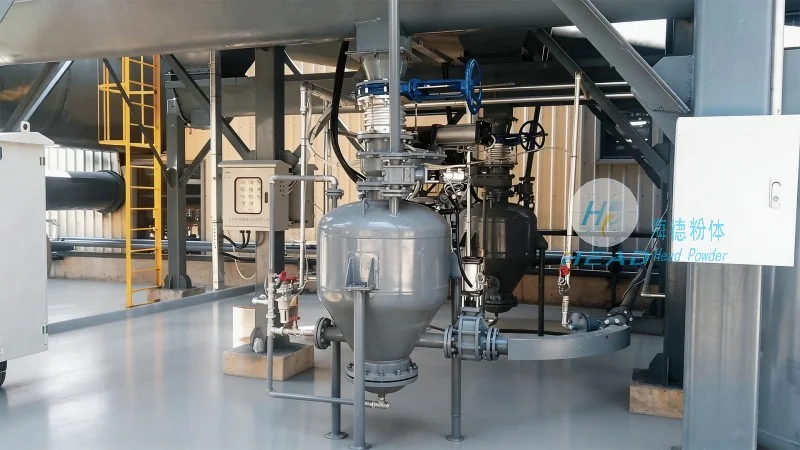
Understanding Talc Powder Characteristics and Their Impact on Conveying
Talc powder, known for its softness and fine particle size, presents unique challenges in pneumatic transport. The material's density, flowability, and tendency to agglomerate can significantly affect system performance. Proper characterization of talc powder is the first step in designing an effective conveying system. Key properties to consider include particle size distribution, moisture content, and bulk density. These factors influence the selection of air velocity, pressure, and equipment type. By accurately assessing these characteristics, engineers can tailor the system to the specific needs of the talc powder, reducing the risk of blockages.
System Pressure and Air Velocity: Critical Design Parameters
The pressure and air velocity within the pneumatic conveying system are fundamental to preventing blockages. Higher air velocity can help maintain the powder in suspension, reducing the likelihood of particles settling and clogging the pipeline. However, excessive velocity may lead to increased energy consumption and potential wear on equipment. The optimal air velocity for talc powder typically ranges between 20 to 30 meters per second, depending on the particle size and system configuration. System pressure, often measured in bars or psi, must be sufficient to overcome the resistance of the pipeline and the material's resistance to flow. A well-designed system ensures that the pressure is maintained at a level that prevents the powder from settling but avoids excessive stress on the components.
Pipeline Diameter and Length: Balancing Flow and Resistance
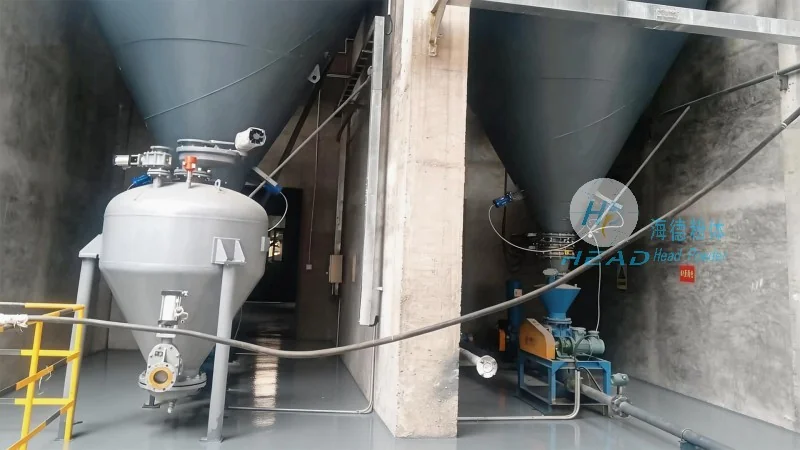
The diameter of the conveying pipeline and its length are critical design elements that impact the risk of blockages. Larger diameter pipes reduce the velocity of the powder-air mixture, which can help prevent particle agglomeration. However, overly large diameters increase material handling costs and may not be feasible for certain applications. The length of the pipeline also plays a role, as longer runs require higher pressure to maintain the material in suspension. Proper sizing of the pipeline ensures that the pressure drop is within acceptable limits, preventing the system from losing efficiency and potentially causing blockages. Engineers often use pressure drop calculations to determine the appropriate diameter and length for the conveying system, taking into account the specific properties of talc powder and the desired flow rate.
Material Handling Equipment and Valve Selection
The choice of material handling equipment, such as feeders, cyclones, and control valves, is another key factor in preventing blockages. Properly designed feeders ensure a consistent and controlled flow of talc powder into the system, avoiding surges that can lead to clogs. Cyclones and other separation equipment must be sized correctly to handle the volume and characteristics of the powder without causing blockages in the outlet or discharge lines. Control valves, particularly those used for regulating the flow rate, should be selected based on the material's flow properties. Using valves that are compatible with talc powder, such as those with smooth surfaces and minimal dead zones, can reduce the risk of material accumulation and blockages.
Preventive Maintenance and Monitoring Systems
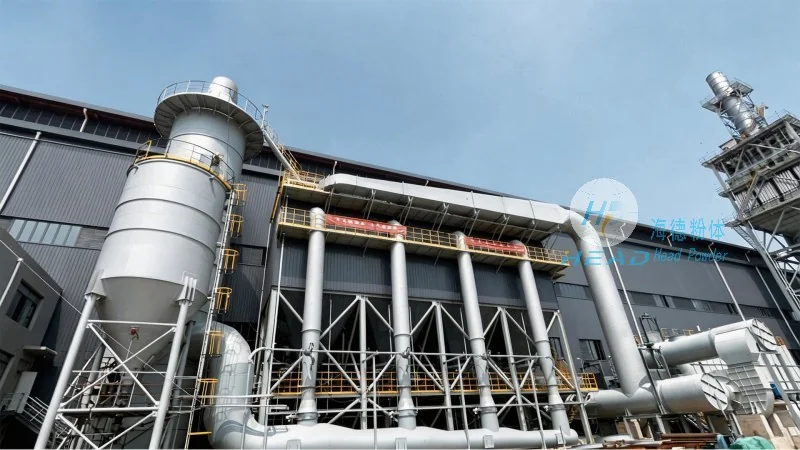
Even with optimal design, regular maintenance and monitoring are essential to prevent blockages in pneumatic conveying systems. Implementing a preventive maintenance schedule that includes inspections of pipelines, valves, and other components can help identify potential issues before they escalate into major problems. Monitoring systems, such as pressure sensors and flow meters, can provide real-time data on system performance, allowing operators to detect changes in pressure or flow that may indicate the onset of a blockage. Early detection enables timely intervention, minimizing downtime and ensuring the continuous operation of the system. Shandong HeadPowder Engineering Co., Ltd. emphasizes the importance of integrating these monitoring and maintenance practices into the overall system design to enhance reliability and efficiency.
Conclusion: Optimizing Pneumatic Conveying for Talc Powder
Preventing pipeline blockages in pneumatic conveying systems for talc powder requires a comprehensive approach that considers material characteristics, system design, and operational practices. By focusing on key design parameters such as air velocity, pressure, pipeline dimensions, and equipment selection, and by implementing effective maintenance and monitoring strategies, industries can significantly reduce the risk of blockages and improve the overall efficiency of their material handling processes. Shandong HeadPowder Engineering Co., Ltd. offers expertise and solutions tailored to these needs, helping clients achieve reliable and cost-effective talc powder transport. With the right design and maintenance, pneumatic conveying systems can effectively handle talc powder while minimizing downtime and operational costs.




