For industrial applications involving sodium chlorate, efficient and reliable material handling is crucial. Pneumatic conveying systems offer a solution by transporting bulk materials like sodium chlorate through a pipeline using air or other gases. Among the various pneumatic conveying technologies, the choice between positive pressure and negative pressure modes significantly impacts system performance, safety, and operational costs. This article provides a detailed analysis of sodium chlorate pneumatic conveying, focusing on the comparison between positive and negative pressure modes.
Understanding Pneumatic Conveying Basics
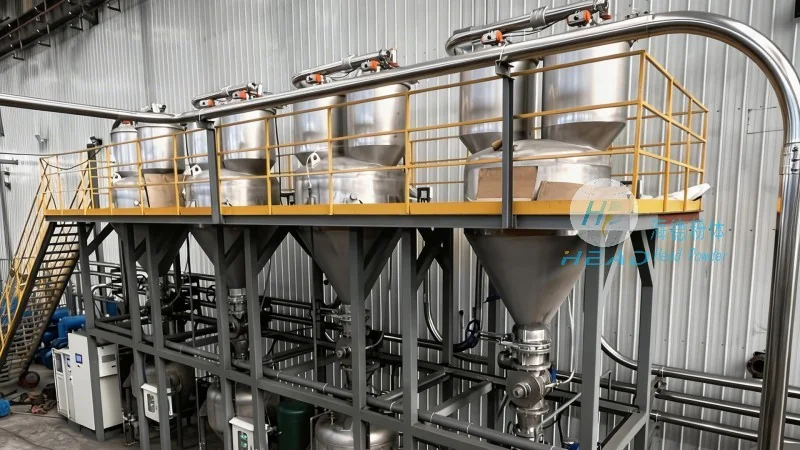
Pneumatic conveying systems are designed to move dry bulk materials through a sealed pipeline by utilizing air or gas as the conveying medium. The two primary modes of operation are positive pressure and negative pressure, each with distinct characteristics and applications. Positive pressure systems force air or gas into the conveying line, while negative pressure systems create a vacuum to draw material into the line.
Positive Pressure Pneumatic Conveying for Sodium Chlorate
Positive pressure systems operate by blowing air or gas into the conveying line, which pushes the material forward. This mode is particularly suitable for sodium chlorate due to its ability to handle abrasive or corrosive materials without causing wear on the system components. The high-pressure air ensures that the material is fully suspended and transported efficiently, reducing the risk of blockages and ensuring consistent flow rates. Positive pressure systems are often preferred in applications where the material needs to be transported over long distances or through complex piping networks. They also provide better control over the conveying process, allowing for adjustments in flow rate and pressure to optimize performance.
Negative Pressure Pneumatic Conveying for Sodium Chlorate
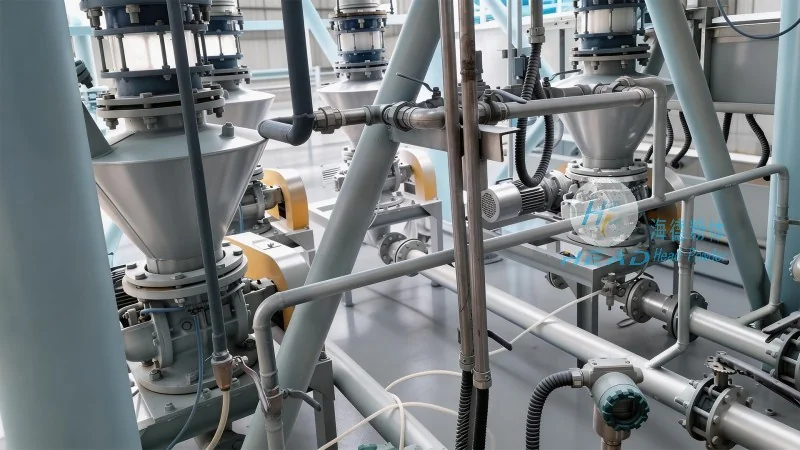
Negative pressure systems, on the other hand, create a vacuum in the conveying line, drawing the material into the system. This mode is generally more energy-efficient as it requires less power to operate compared to positive pressure systems. However, negative pressure systems are more susceptible to material buildup and blockages, especially with materials like sodium chlorate that may have high moisture content or be prone to agglomeration. The vacuum environment can also pose safety risks if not properly managed, as it may lead to dust explosions or other hazards. Negative pressure systems are typically used for shorter conveying distances and in applications where the material is less abrasive and less likely to cause system wear.
Key Considerations for Choosing Between Modes
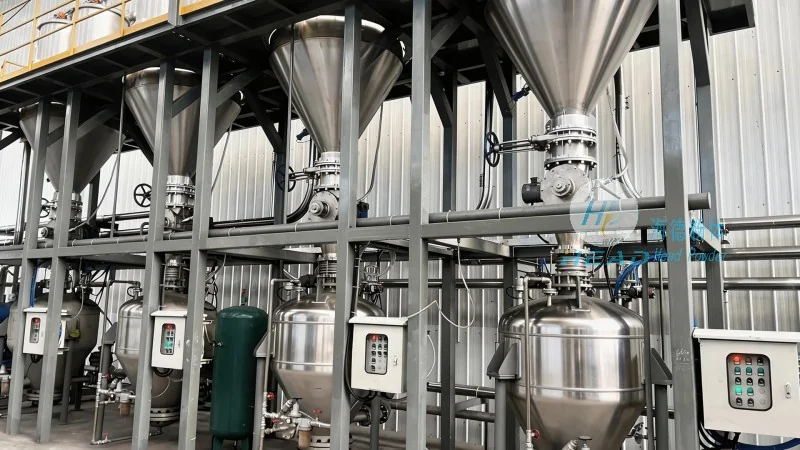
The choice between positive and negative pressure pneumatic conveying for sodium chlorate depends on several factors, including the distance of material transport, the nature of the material (e.g., abrasiveness, moisture content), system complexity, and operational costs. Positive pressure systems are generally more suitable for long-distance or complex applications due to their superior control and reliability. Negative pressure systems may be preferred for shorter distances or in applications where energy efficiency is a primary concern. Additionally, the system design must consider the potential for material degradation or contamination, as both modes can affect the quality of the sodium chlorate being transported.
Application Examples and Practical Insights
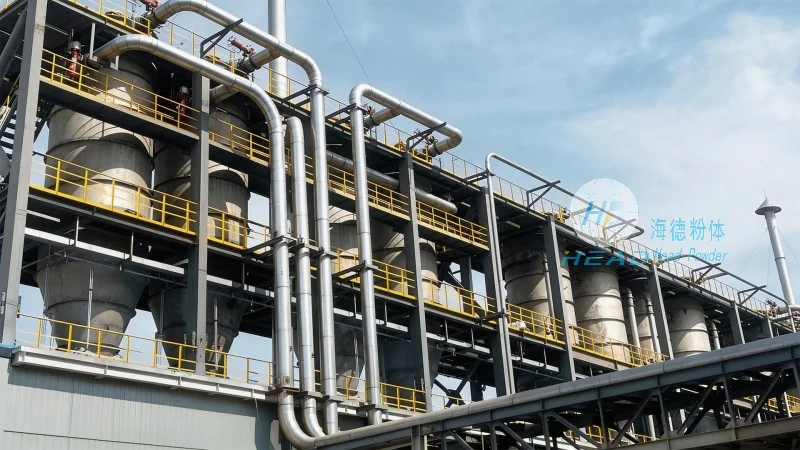
In industrial settings, sodium chlorate is commonly used in the production of bleaching agents, disinfectants, and other chemical products. The choice of pneumatic conveying mode can impact the overall efficiency of the production process. For example, in a large-scale manufacturing plant, a positive pressure system may be used to transport sodium chlorate from storage silos to processing units over several hundred meters, ensuring consistent supply without interruptions. Conversely, a negative pressure system might be employed in a smaller facility to move the material from a hopper to a mixing tank over a shorter distance, where energy savings are more critical.
Conclusion
Both positive and negative pressure pneumatic conveying systems offer viable solutions for handling sodium chlorate, with each mode having its own advantages and limitations. Positive pressure systems provide better control, reliability, and suitability for long-distance or abrasive material transport, while negative pressure systems are more energy-efficient and suitable for shorter distances. The optimal choice depends on the specific requirements of the application, including material characteristics, system layout, and operational goals. By carefully evaluating these factors, industrial operators can select the most appropriate pneumatic conveying mode to ensure efficient and safe handling of sodium chlorate in their processes.




