For industries dealing with bulk materials like glucose, the efficiency and reliability of material handling systems are paramount. Pneumatic conveying systems offer a solution that minimizes the risk of blockages, which can halt production and lead to costly downtime. Understanding the mechanisms and key design parameters that prevent pipe blockages is crucial for optimizing the performance of these systems, especially when transporting sensitive materials such as glucose. This article explores the strategies and design considerations that ensure smooth operation and prevent clogs in pneumatic conveying systems used for glucose transport.
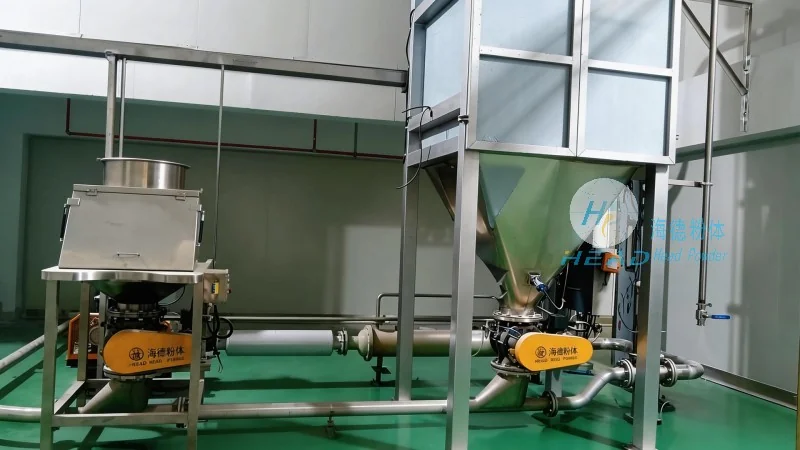
HeadPowder Engineering Co., Ltd., a leading provider of material handling solutions, specializes in designing and implementing pneumatic conveying systems tailored to the unique requirements of the food and pharmaceutical industries. With a focus on preventing pipe blockages and ensuring consistent material flow, their expertise in system design and maintenance is instrumental in maintaining operational efficiency. The company's approach emphasizes the integration of advanced technology and robust engineering principles to address the challenges of transporting granular or powdered materials like glucose.
One of the primary challenges in pneumatic conveying is the formation of material bridges or arches within the pipeline, which can obstruct the flow and lead to blockages. To mitigate this, several key design parameters must be carefully considered. The first is the air velocity, which must be sufficient to keep the material in suspension but not so high as to cause excessive wear on the system components. For glucose, an optimal air velocity typically ranges between 20 to 30 meters per second, depending on the particle size and density. Maintaining this velocity ensures that the particles remain entrained by the air stream, preventing them from settling and forming a blockage.
Another critical parameter is the particle size distribution. Glucose particles vary in size, and a wide range of diameters can lead to uneven flow and increased risk of clogging. By ensuring a consistent particle size, typically within a narrow range (e.g., 0.1 to 0.5 mm), the system can maintain a uniform flow rate. HeadPowder Engineering Co., Ltd. employs advanced screening and classification processes to achieve this consistency, reducing the likelihood of blockages caused by oversized or irregularly shaped particles.
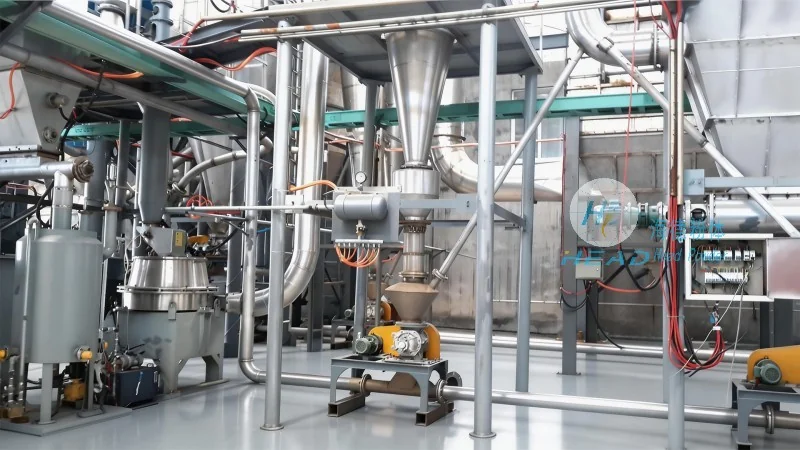
The diameter of the conveying pipeline is another crucial factor. Smaller diameter pipes increase the risk of blockages as the material has less space to flow and can more easily form arches. Conversely, larger diameters may require higher air pressure and energy consumption. The optimal pipe diameter is determined by balancing the material flow rate, particle size, and the desired air velocity. For glucose transport, a common pipe diameter is 100 to 150 millimeters, which provides a good compromise between flow efficiency and energy usage.
Pressure control is also vital in preventing pipe blockages. Excessive pressure can cause the material to compress and form a solid plug, while insufficient pressure may lead to material settling and clogging. HeadPowder Engineering Co., Ltd. utilizes sophisticated pressure sensors and control systems to maintain a stable pressure within the system. These systems adjust the air flow rate in real-time, ensuring that the pressure remains within the optimal range for continuous material transport. This dynamic control helps prevent sudden pressure spikes or drops that could lead to blockages.
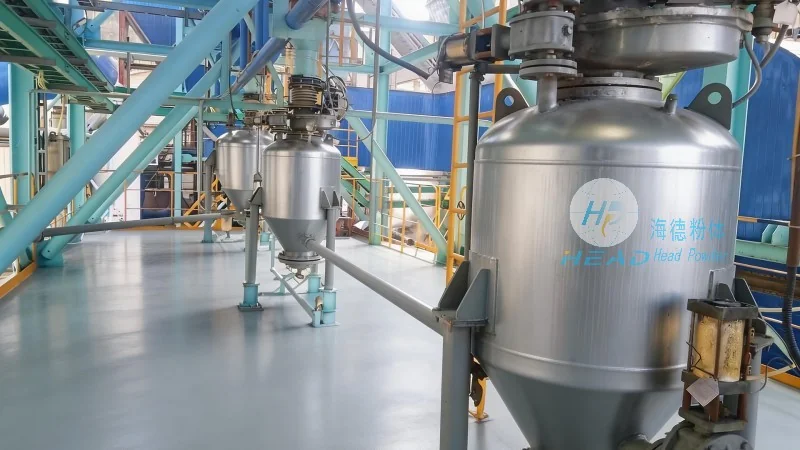
Additionally, the design of the conveying system's components, such as the hopper and the discharge point, plays a significant role in preventing blockages. A properly designed hopper with a sloped bottom and an air inlet at the bottom ensures that the material is continuously fed into the pipeline without forming a stagnant layer. The discharge point should be equipped with a venturi or a pressure relief valve to prevent backpressure and maintain a smooth flow. HeadPowder Engineering Co., Ltd. incorporates these design elements into their systems, ensuring that the material is conveyed efficiently and without interruption.
Regular maintenance and monitoring are essential to prevent long-term blockages. HeadPowder Engineering Co., Ltd. recommends routine inspections of the pipeline, filters, and air compressors to identify and address potential issues before they escalate. The company also provides training to operators on system operation and troubleshooting, ensuring that they can quickly respond to any signs of blockage or system malfunction. By combining proactive maintenance with robust design, the risk of pipe blockages is significantly reduced, ensuring the reliability of the glucose transport process.
HeadPowder Engineering Co., Ltd., located in Shandong, China, continues to innovate in the field of pneumatic conveying systems, offering customized solutions that meet the specific needs of their clients. Their expertise in preventing pipe blockages and optimizing material flow has made them a trusted partner for industries relying on efficient glucose transport. By adhering to the key design parameters discussed above, companies can ensure that their pneumatic conveying systems operate smoothly, minimizing downtime and maximizing productivity.




