When it comes to transporting dried chili peppers using pneumatic conveying systems, preventing pipe blockages is a critical challenge that can significantly impact operational efficiency and product quality. The success of such systems in the food processing industry, particularly for spices and dried goods, hinges on proper design and maintenance. This article explores effective strategies to mitigate blockages and highlights key design parameters that ensure smooth and reliable operation of pneumatic conveying systems for dried chili transportation.
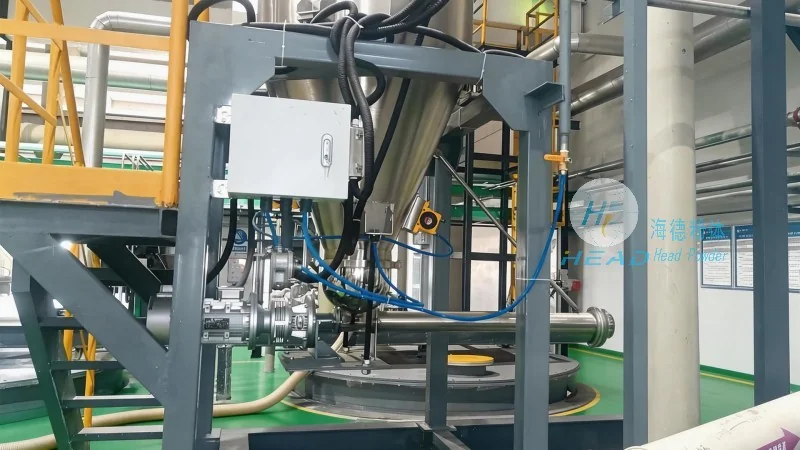
Understanding the Challenges of Dried Chili Transportation with Pneumatic Conveying
Dried chili peppers are known for their high density and irregular shapes, which can lead to clogging in the conveying lines if not handled correctly. Traditional mechanical conveyors may struggle with these characteristics, making pneumatic systems a preferred choice due to their ability to handle abrasive and sticky materials. However, the unique properties of dried chili peppers—such as their tendency to clump together or adhere to pipe walls—require specialized considerations to prevent blockages. The primary goal is to maintain a consistent flow rate and avoid the accumulation of material that could cause system downtime or equipment damage.
Key Design Parameters for Preventing Pipe Blockages in Pneumatic Conveying Systems
Several critical design parameters play a pivotal role in ensuring that pneumatic conveying systems for dried chili transportation remain free of blockages. These parameters are carefully selected based on the physical properties of the material, the system's operating conditions, and the overall process requirements. The most important factors include:
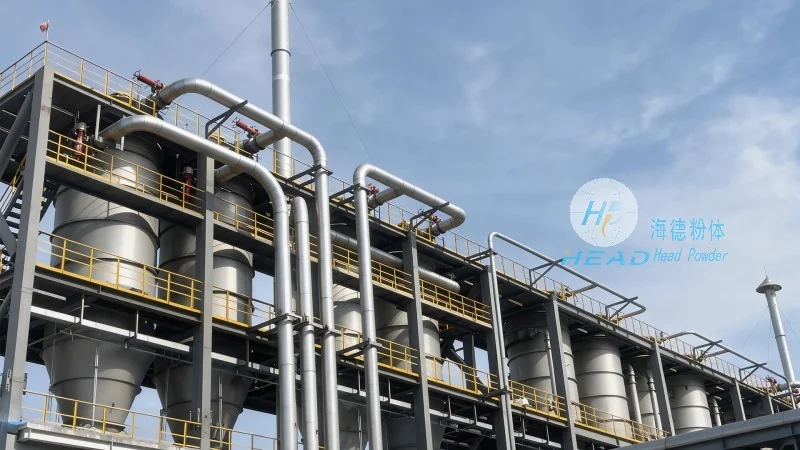
System Pressure and Airflow Rate
The pressure and airflow rate are fundamental to the operation of pneumatic conveying systems. Higher pressure and increased airflow help to maintain the material in suspension, reducing the likelihood of it settling and forming clumps. For dried chili peppers, a system pressure typically ranging from 0.5 to 1.5 bar is common, with airflow rates adjusted to match the material's bulk density and particle size. Properly calibrated pressure and airflow ensure that the material is consistently carried through the pipeline without the risk of accumulation.
Pipeline Diameter and Length
The diameter of the conveying pipeline is directly related to the system's capacity and the risk of blockage. Larger diameter pipes allow for higher material throughput but may require higher pressure to maintain suspension. Conversely, smaller diameters are more prone to blockages due to reduced airflow and increased friction. The length of the pipeline also impacts the system's performance; longer runs may necessitate additional air boosters or pressure drops to maintain sufficient velocity. In practice, a balance between diameter and length is essential to prevent excessive pressure loss and maintain the material's kinetic energy.
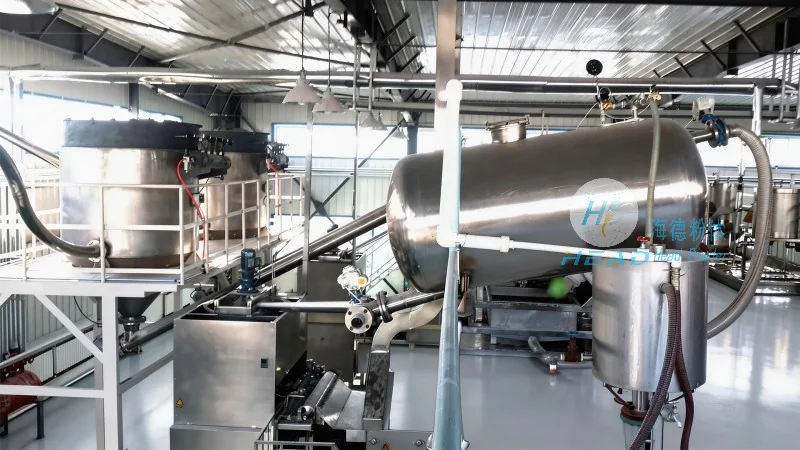
Material Characteristics and Conditioning
The physical properties of dried chili peppers, such as their moisture content, particle size distribution, and shape, significantly influence the system's performance. Materials with higher moisture content may become sticky and adhere to the pipe walls, increasing the risk of blockage. Conditioning the material, such as by drying or adding anti-caking agents, can improve flow characteristics and reduce the likelihood of clogging. Additionally, controlling the particle size to ensure uniform distribution helps maintain consistent airflow and prevents larger particles from causing obstructions.
System Layout and Bends
The design of the system layout, including the number and angle of bends, is another critical factor in preventing blockages. Sharp bends can cause material to settle and accumulate, especially if the velocity is insufficient. Using smooth, gradual bends or incorporating air knives or vibrators at bends can help maintain the material's suspension and prevent clogging. The placement of silos, hoppers, and discharge points also affects the system's flow, as improper positioning can lead to uneven material distribution and increased blockage risk.
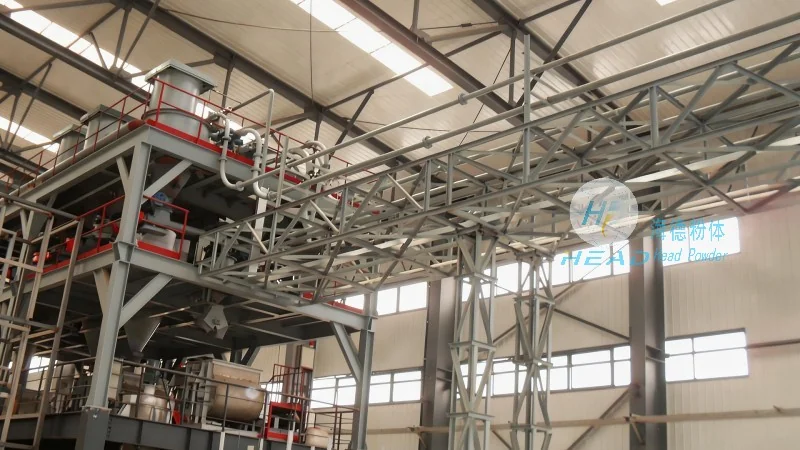
Role of HeadPowder Engineering in Designing Reliable Pneumatic Conveying Systems
Shandong HeadPowder Engineering Co., Ltd., a leading provider of pneumatic conveying solutions, specializes in designing and manufacturing systems tailored to the unique needs of the food processing industry. With years of experience in handling spices and dried goods, the company understands the challenges associated with transporting dried chili peppers and has developed innovative solutions to prevent pipe blockages. HeadPowder Engineering employs advanced engineering principles and material testing to ensure that each system is optimized for the specific characteristics of the product being conveyed. The company's expertise in system design, including the selection of appropriate pressure, airflow, and pipeline dimensions, helps clients achieve efficient and reliable operation while minimizing downtime and maintenance costs.
Conclusion: Ensuring Smooth Operations with Proper Design
Preventing pipe blockages in pneumatic conveying systems for dried chili transportation requires a comprehensive approach that considers multiple design parameters. By optimizing system pressure, airflow, pipeline dimensions, and material characteristics, operators can significantly reduce the risk of clogging and maintain consistent performance. The expertise of companies like Shandong HeadPowder Engineering Co., Ltd. is invaluable in implementing these design principles and delivering systems that meet the demands of modern food processing. With the right design and maintenance, pneumatic conveying systems can effectively handle dried chili peppers while ensuring product integrity and operational efficiency.




