For industries dealing with biomass materials, the efficiency and reliability of material handling systems are paramount. Pneumatic conveying systems have emerged as a preferred solution due to their ability to transport bulk materials like wood chips, straw, and other organic matter over long distances without the need for mechanical components. However, a common challenge in these systems is the risk of pipeline blockages, which can halt operations and lead to costly downtime. Understanding how to prevent such blockages and the critical design parameters involved is essential for optimizing biomass transport processes.
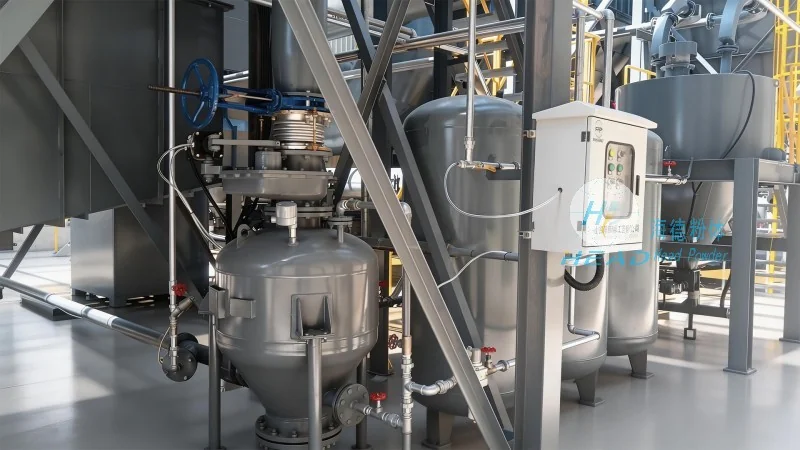
Understanding Pneumatic Conveying Systems in Biomass Handling
Pneumatic conveying systems utilize air or gas to move solid materials through a pipeline. These systems can be categorized into two main types: dilute phase and dense phase. Dilute phase systems rely on high-velocity air to suspend the material, while dense phase systems use lower velocities with higher air-to-material ratios to move material in a more controlled manner. In biomass applications, the choice of system type depends on the material characteristics, such as particle size, moisture content, and flowability. For example, wood chips with larger particle sizes may require dense phase systems to prevent segregation and blockages.
The Common Causes of Pipeline Blockages in Biomass Conveying
Several factors contribute to pipeline blockages in pneumatic conveying systems. One primary cause is the formation of agglomerates or clumps within the material, which can occur due to high moisture content or the presence of sticky components. When these clumps encounter a reduction in pipe diameter or a change in direction, they may not be able to pass through, leading to a blockage. Another factor is the accumulation of material on the inner walls of the pipeline, known as "plugging," which can be exacerbated by low air velocity or high material density. Additionally, the presence of foreign objects or debris in the material stream can also contribute to blockages, especially if the system is not equipped with proper filtration or screening.
Key Design Parameters to Prevent Pipeline Blockages
Designing a pneumatic conveying system for biomass transport requires careful consideration of several key parameters to minimize the risk of blockages. The first parameter is the air velocity, which must be sufficient to maintain the material in suspension. For dilute phase systems, air velocities typically range from 20 to 30 meters per second, while dense phase systems operate at lower velocities, around 5 to 15 meters per second. The air velocity must be optimized based on the material's properties, as too low a velocity can cause material to settle and block the pipeline, while too high a velocity can increase energy consumption and wear on components.
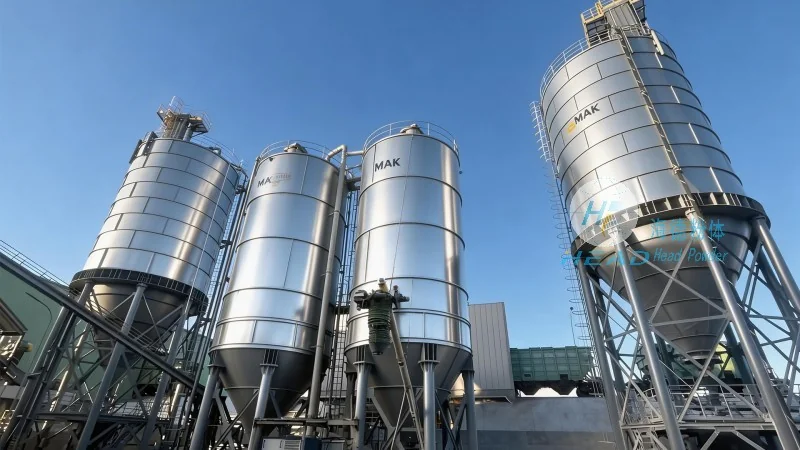
A second critical parameter is the air-to-material ratio, which is the ratio of the volume of air to the volume of material being conveyed. A higher air-to-material ratio reduces the likelihood of blockages by ensuring that the material is well-suspended and can move smoothly through the pipeline. The optimal ratio varies depending on the material, but it is generally recommended to maintain a ratio of at least 5:1 for dilute phase systems and 2:1 for dense phase systems. Adjusting this ratio allows operators to balance efficiency with the risk of blockages.
A third important parameter is the pipeline diameter and length. Larger diameter pipes reduce the risk of blockages by providing more space for material to move, but they also increase energy consumption. The length of the pipeline also affects the system's performance, as longer pipelines require higher air pressure or velocity to maintain material flow. Proper sizing of the pipeline, considering both diameter and length, is essential to prevent excessive pressure drops that can lead to blockages.
Another design parameter is the inclusion of appropriate fittings and components that facilitate smooth material flow. For example, elbows, bends, and expansions should be designed to minimize changes in flow direction and velocity, which can cause material to settle and form blockages. The use of smooth, non-porous pipe materials, such as stainless steel or polyethylene, can also reduce the risk of material sticking to the pipe walls. Additionally, incorporating cleaning mechanisms, such as purge ports or air cannons, can help clear any accumulated material and prevent blockages from recurring.
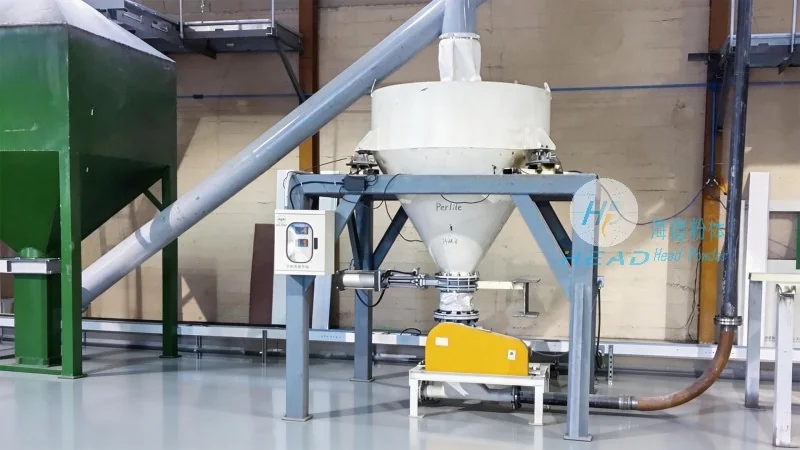
The Role of Material Handling Equipment in Preventing Blockages
While design parameters are crucial, the selection and maintenance of material handling equipment also play a significant role in preventing pipeline blockages. The feeding equipment, such as hoppers or feeders, must be designed to provide a consistent flow of material into the system without creating clumps or uneven distribution. For biomass materials, which can be variable in size and moisture content, a feeder with adjustable speed and capacity is essential to maintain a stable material stream. The use of pre-screening or drying equipment before the material enters the conveying system can also reduce the risk of blockages by removing moisture and foreign objects that contribute to agglomeration.
The system's control and monitoring equipment is another critical aspect. Modern pneumatic conveying systems often include sensors and control panels that monitor air pressure, flow rate, and material level. These systems can detect changes in flow characteristics that may indicate an impending blockage and trigger alarms or automatic shutdowns to prevent damage. Regular maintenance of these monitoring systems ensures that they function correctly and provide timely alerts when issues arise.
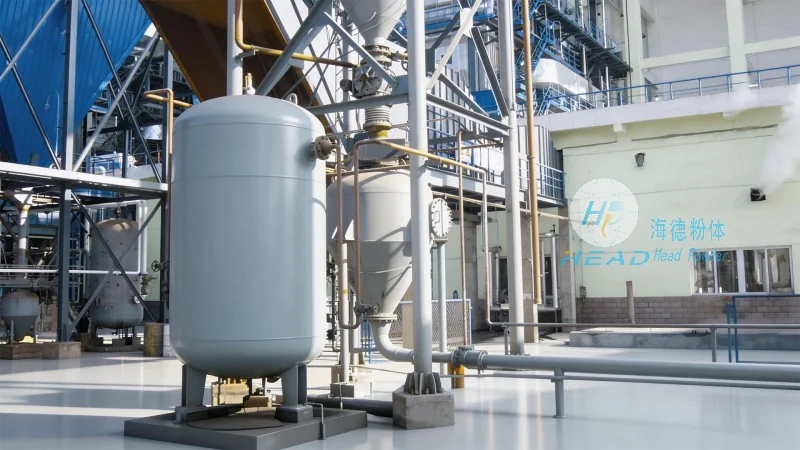
Case Study: Successful Implementation by Shandong HeadPowder Engineering Co., Ltd.
Shandong HeadPowder Engineering Co., Ltd., a leading provider of pneumatic conveying solutions, has successfully implemented systems to prevent blockages in biomass transport for various clients. One notable project involved a wood chip processing facility that was experiencing frequent blockages in their dilute phase conveying system. By analyzing the material properties and system design, the company recommended adjustments to the air velocity and air-to-material ratio, as well as the installation of additional cleaning ports in the pipeline. These changes resulted in a significant reduction in blockage incidents, with the system operating continuously for extended periods without interruptions. The client reported improved efficiency and reduced downtime, leading to increased productivity and cost savings.
In another project, the company worked with a straw processing plant that faced challenges with high moisture content leading to material clumping. The solution involved the installation of a drying unit before the material entered the conveying system, which reduced moisture content to an optimal level. Additionally, the system was equipped with a high-capacity feeder that ensured a consistent flow of material, preventing the formation of clumps. The result was a stable and reliable conveying system that met the client's production requirements without any blockage-related issues.
Conclusion: Optimizing Pneumatic Conveying Systems for Biomass Transport
Preventing pipeline blockages in pneumatic conveying systems for biomass transport requires a comprehensive approach that considers both design parameters and equipment selection. By optimizing air velocity, air-to-material ratio, pipeline dimensions, and incorporating appropriate fittings and cleaning mechanisms, operators can significantly reduce the risk of blockages and ensure smooth material flow. The role of material handling equipment, including feeders and pre-processing units, is equally important in maintaining consistent material quality and preventing agglomeration. With proper design and maintenance, pneumatic conveying systems can provide efficient and reliable transport of biomass materials, supporting the growth of industries such as bioenergy and biomass processing.




