Clay sand pneumatic conveying is a critical process in material handling, especially for industries dealing with fine powders like clay. The choice between positive and negative pressure systems significantly impacts efficiency, cost, and operational safety. This analysis delves into the technical aspects, advantages, and practical considerations of both positive and negative pressure modes, providing a comprehensive overview for professionals in the field.
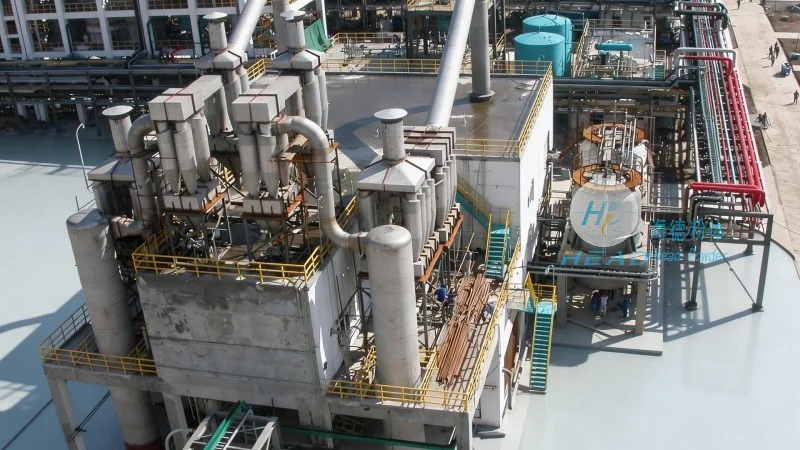
Understanding Pneumatic Conveying Systems
Pneumatic conveying systems transport bulk materials through a pipeline using air or gas as the conveying medium. The primary goal is to move materials from one location to another without the need for mechanical components like belts or buckets. For clay sand, which is often abrasive and can cause wear on equipment, selecting the right pressure mode is crucial for maintaining system longevity and performance.
Positive Pressure Pneumatic Conveying
Positive pressure systems operate by blowing air or gas into the conveying line, creating a pressure higher than the ambient air pressure. This method is particularly effective for transporting materials over short to medium distances and in applications where the material is light and free-flowing. In the context of clay sand, positive pressure systems can handle high volumes of material with minimal pressure drop, making them suitable for large-scale production lines.
One of the key advantages of positive pressure is its ability to handle abrasive materials like clay sand without excessive wear on the system components. The high-pressure air helps to maintain the material's flow characteristics, reducing the risk of blockages and ensuring consistent throughput. Additionally, positive pressure systems are generally more energy-efficient for short-distance transport, as they require less power to maintain the pressure differential.
Negative Pressure Pneumatic Conveying
Negative pressure systems, also known as vacuum or suction systems, operate by creating a vacuum in the conveying line, drawing material from the source into the pipeline. This mode is ideal for applications requiring material to be transported from a higher elevation to a lower one, or for handling materials that are difficult to move under positive pressure, such as fine powders that tend to settle or clump.
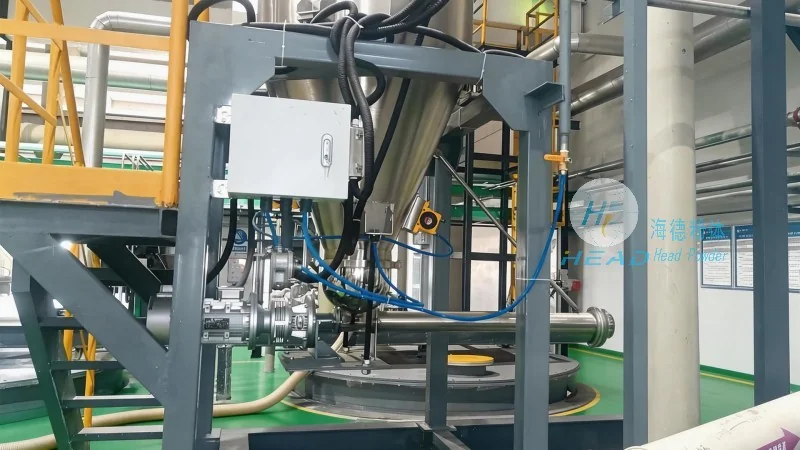
For clay sand, negative pressure systems offer the advantage of being able to collect material from multiple points and transport it to a central collection point. This is particularly useful in industrial settings where material is generated at various locations and needs to be consolidated for processing. The vacuum created helps to maintain the material's integrity, preventing it from being exposed to the atmosphere and reducing the risk of dust emissions.
Key Differences and Performance Metrics
When comparing positive and negative pressure systems for clay sand, several factors come into play. The distance of the conveying line is a primary determinant. Positive pressure is generally more suitable for distances up to several hundred meters, while negative pressure can handle longer distances, often up to a few kilometers, depending on the system design and material properties.
Energy consumption is another critical factor. Positive pressure systems typically consume more energy due to the need to generate and maintain higher air pressure, whereas negative pressure systems may require more power to create the vacuum, especially over long distances. However, the overall energy efficiency can vary based on the specific application and system configuration.
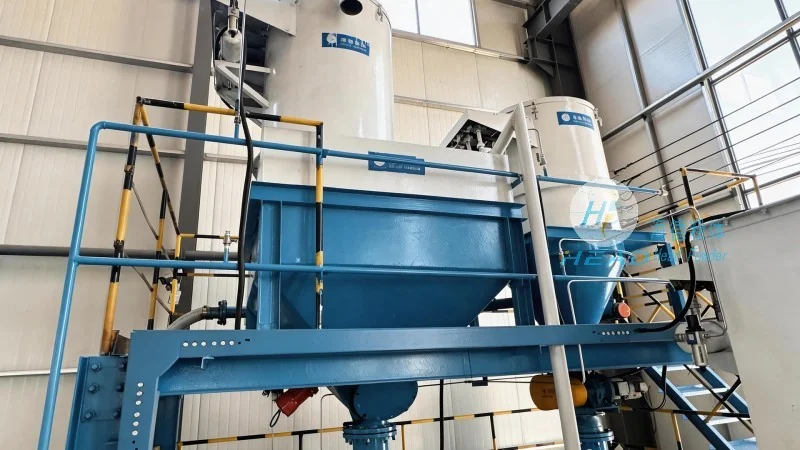
Material handling capacity is also influenced by the pressure mode. Positive pressure systems can handle larger volumes of material at higher flow rates, making them ideal for high-throughput operations. Negative pressure systems, while capable of handling fine powders, may have lower capacity and are more suited for lower flow rates or applications where material is collected from multiple sources.
Practical Considerations and Application Examples
In industrial applications, the choice between positive and negative pressure often depends on the specific requirements of the process. For example, in a clay processing plant, a positive pressure system might be used to transport clay sand from a storage silo to a mixing station, while a negative pressure system could be employed to collect dust from a processing line and transport it to a filtration unit.
System maintenance and operational costs are also important considerations. Positive pressure systems may require more frequent maintenance of air compressors and filters due to the higher air pressure and potential for abrasive material wear. Negative pressure systems, on the other hand, may need more robust vacuum pumps and filters to handle fine powders and prevent clogging.
Conclusion
Both positive and negative pressure pneumatic conveying systems have their unique advantages and are suitable for different applications in clay sand handling. Positive pressure is generally preferred for short-distance, high-volume transport, while negative pressure is more appropriate for long-distance, fine powder collection and transport. By understanding the technical differences and performance metrics, industries can select the most efficient and cost-effective system for their specific needs. As technology advances, ongoing research and development continue to improve the performance and reliability of pneumatic conveying systems, ensuring they remain a vital component in modern material handling operations.




