Caustic soda, also known as sodium hydroxide, is a highly corrosive and reactive chemical widely used in various industrial processes, including chemical manufacturing, paper production, and water treatment. When transporting caustic soda via pneumatic conveying systems, preventing pipeline blockages is crucial for maintaining operational efficiency and ensuring safety. This article explores effective strategies to prevent blockages in caustic soda conveyance systems and highlights the critical design parameters that contribute to a reliable and efficient operation.
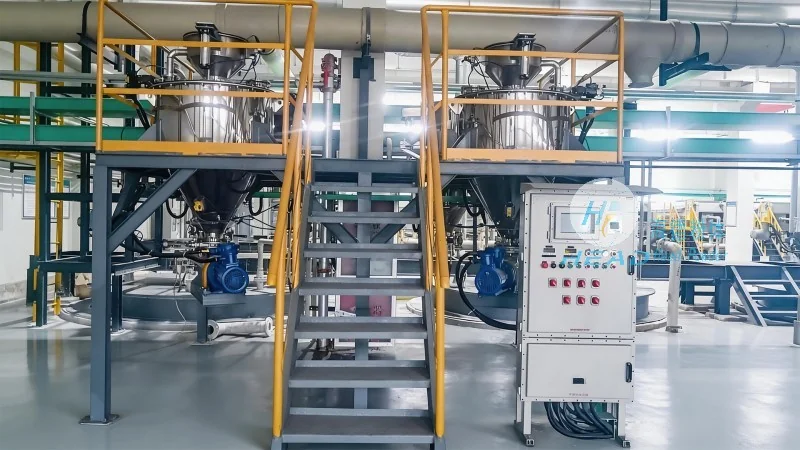
Understanding Pneumatic Conveying Systems for Caustic Soda
Pneumatic conveying systems utilize air or other gases to transport bulk materials like caustic soda through pipelines. These systems can be categorized into two main types: dilute-phase and dense-phase. Dilute-phase systems rely on high air velocities to move material, while dense-phase systems use lower velocities and higher pressure to achieve a more controlled and stable flow. For caustic soda, which is often in a solid or slurry form, selecting the appropriate system type and design is essential to avoid blockages caused by material agglomeration or uneven flow.
Key Design Parameters to Prevent Pipeline Blockages
Several key design parameters must be carefully considered when designing a pneumatic conveying system for caustic soda to minimize the risk of blockages. These parameters directly influence the system's ability to maintain consistent flow and prevent material buildup in the pipeline.
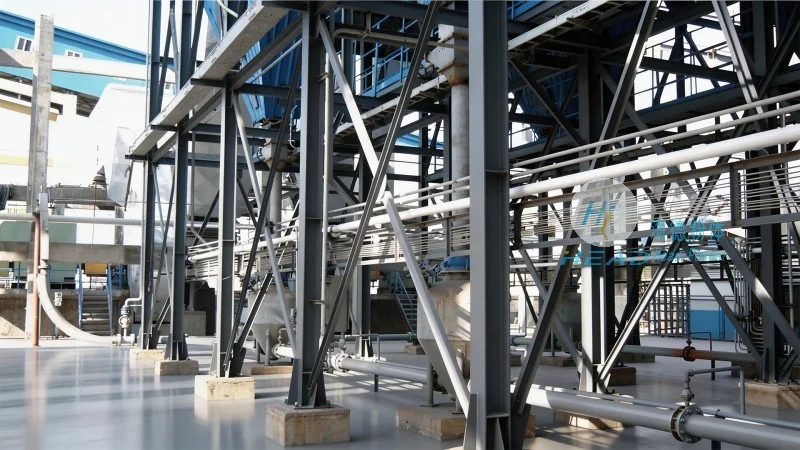
1. Air Velocity and Flow Rate
Optimizing air velocity is one of the most critical factors in preventing blockages. Insufficient air velocity can lead to material settling and agglomeration, while excessively high velocity may cause excessive wear on the system components and increase energy consumption. For caustic soda, typical air velocities range from 20 to 30 meters per second in dilute-phase systems, depending on the material's density and particle size. The flow rate must be matched to the system's capacity to ensure that the material is fully entrained and transported without leaving residue in the pipeline.
2. Pipeline Diameter and Length
The diameter of the conveying pipeline is directly proportional to the system's capacity and the risk of blockage. Larger diameter pipelines allow for higher material flow rates and reduce the likelihood of material accumulation due to lower friction losses. However, excessively large diameters increase capital costs and may not be practical for all applications. The length of the pipeline also impacts the system's performance; longer pipelines require higher air pressure and velocity to maintain material transport, increasing the risk of blockages if not properly designed. Proper sizing of the pipeline diameter and length, based on the material's properties and the system's operational requirements, is essential to prevent blockages.
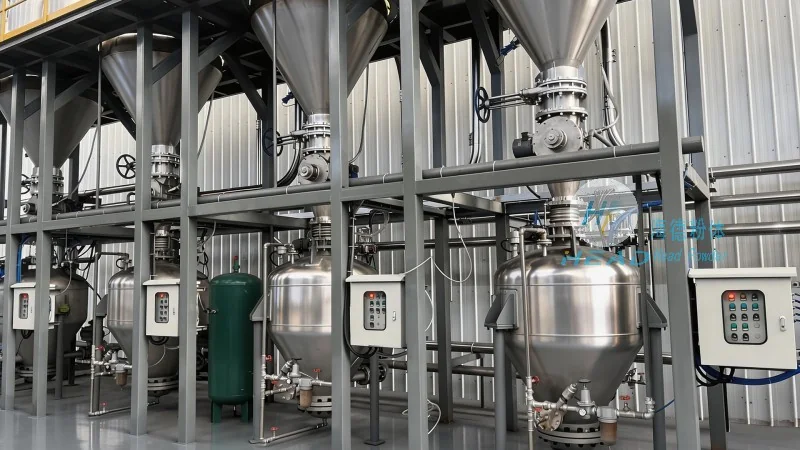
3. Material Characteristics and Conditioning
The physical and chemical properties of caustic soda, such as its particle size distribution, moisture content, and reactivity, significantly affect the risk of blockages. Coarse or lumpy particles are more prone to agglomeration, which can lead to blockages. Conditioning the material, such as by drying or crushing it to a uniform size, can improve its flowability and reduce the likelihood of blockages. Additionally, adding anti-caking agents or using pre-mixing with inert materials can enhance the material's handling characteristics and prevent clumping during transport.
4. System Pressure and Air Compressor Selection
The pressure of the air compressor and the overall system pressure play a vital role in preventing blockages, especially in dense-phase systems. Higher pressure allows for a more stable and controlled flow, reducing the risk of material settling and blockages. However, excessive pressure can cause wear on components and increase energy costs. Selecting the appropriate air compressor, such as a positive displacement blower or a centrifugal compressor, based on the system's requirements and the material's characteristics is crucial. The compressor must be capable of maintaining consistent pressure and flow rates to ensure reliable material transport.
5. Inlet and Outlet Design
The design of the inlet and outlet points in the pipeline system is critical for preventing blockages. Proper inlet design, such as using a venturi or a rotary valve, ensures that the material is fully entrained and introduced into the pipeline without creating air pockets or material buildup. The outlet design, including the discharge hopper or valve, must be designed to prevent material from settling and blocking the outlet. Using components with smooth surfaces and minimal obstructions helps maintain consistent flow and reduces the risk of blockages.
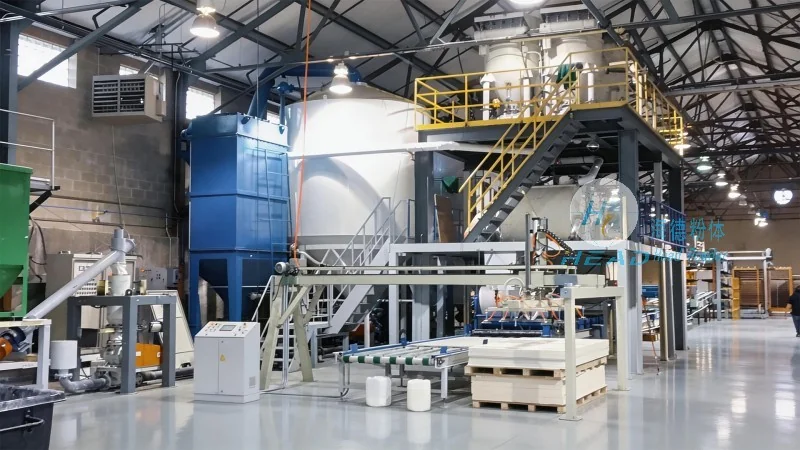
6. Cleaning and Maintenance Procedures
Regular cleaning and maintenance are essential to prevent long-term blockages and ensure the system's longevity. Implementing a preventive maintenance schedule, including periodic inspection of the pipeline, air filters, and compressor components, can identify and address potential issues before they lead to blockages. Using cleaning methods such as reverse flow or air blow-back can help clear minor blockages and maintain the system's efficiency. Proper maintenance of the system components, such as replacing worn parts and ensuring proper lubrication, contributes to the overall reliability and reduces the risk of blockages.
Conclusion
Preventing pipeline blockages in caustic soda pneumatic conveying systems requires a comprehensive approach that considers multiple design parameters and operational factors. By optimizing air velocity, selecting appropriate pipeline dimensions, conditioning the material, and implementing proper system design and maintenance, the risk of blockages can be significantly reduced. The expertise of companies like Shandong HeadPowder Engineering Co., Ltd., with their focus on engineering solutions tailored to specific industrial needs, is invaluable in designing and implementing effective caustic soda conveying systems. Their commitment to quality and efficiency ensures that clients can rely on their systems to transport caustic soda safely and reliably, minimizing downtime and operational costs.




