When it comes to transporting dry powders such as limestone, the choice between positive pressure and negative pressure pneumatic conveying systems is a critical decision for industrial operations. The efficiency, cost-effectiveness, and operational safety of the process heavily depend on selecting the right system type. This article aims to provide a clear understanding of the differences between positive pressure and negative pressure pneumatic conveying for dry powders, helping you make an informed decision for your specific application.
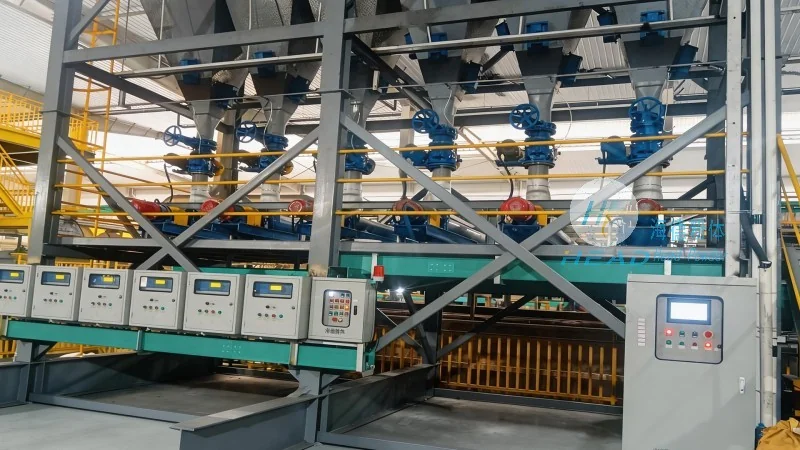
Understanding Pneumatic Conveying Systems
Pneumatic conveying is a method of transporting bulk materials like dry powders through a pipeline using air or gas as the conveying medium. The two primary system types are positive pressure and negative pressure, each with distinct operational principles and applications.
Positive Pressure Pneumatic Conveying
Positive pressure systems operate by blowing air or gas into the material to be conveyed, creating a pressure higher than the ambient air pressure. The material is then drawn into the pipeline and transported to the destination. This system is often preferred for applications requiring high conveying distances, multiple delivery points, or when the material is sensitive to air exposure. The headpowder engineering team has extensive experience in designing and implementing positive pressure systems tailored to various industrial needs.
Negative Pressure Pneumatic Conveying
Negative pressure systems, also known as suction systems, operate by creating a vacuum in the pipeline, which draws the material into the system. The material is then carried by the air flow and delivered to the target location. This type of system is commonly used for applications where the material is to be collected from multiple sources or when the material is less sensitive to air contact. The design of negative pressure systems focuses on minimizing air leakage and maintaining efficient material transport.
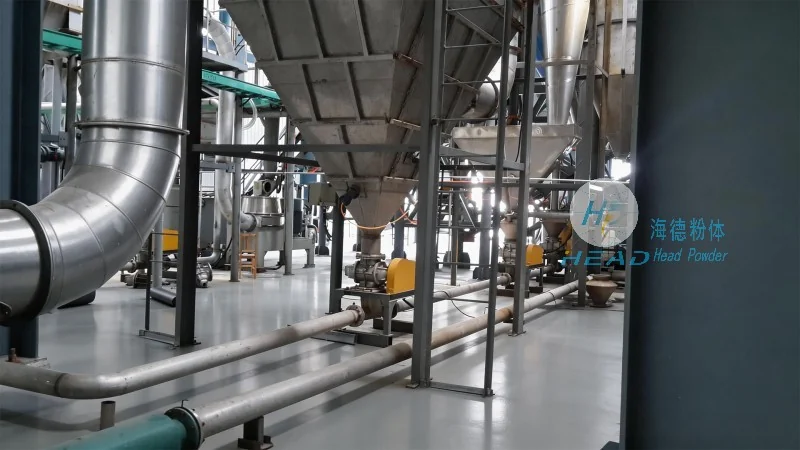
Distinguishing Between the Two Systems
Identifying the right pneumatic conveying system for dry powders involves evaluating several key factors. The first consideration is the material characteristics, including particle size, density, and moisture content. For example, limestone powders with larger particle sizes may benefit from positive pressure systems due to their ability to handle higher material loads. Conversely, finer powders might be better suited for negative pressure systems to prevent material loss and maintain air quality.
The second factor is the conveying distance and number of delivery points. Positive pressure systems are generally more suitable for longer distances and multiple discharge locations because they can maintain consistent pressure and material flow. Negative pressure systems, on the other hand, are ideal for shorter distances or when the material needs to be collected from various sources before being transported to a single point.
Operational safety and environmental considerations also play a significant role. Positive pressure systems require proper ventilation and explosion-proof measures, especially when handling flammable or explosive powders. Negative pressure systems, while generally safer in terms of dust exposure, need careful attention to air filtration and exhaust management to comply with environmental regulations. The choice between the two systems should align with the specific safety protocols and environmental standards of the industrial facility.
Key Considerations for Dry Powder Pneumatic Conveying
When selecting a pneumatic conveying system for dry powders like limestone, several technical aspects must be considered to ensure optimal performance. The system's capacity and flow rate are critical, as they directly impact the throughput and efficiency of the process. Headpowder engineering provides comprehensive solutions that can be customized to meet the required capacity, whether for small-scale or large-scale industrial applications.
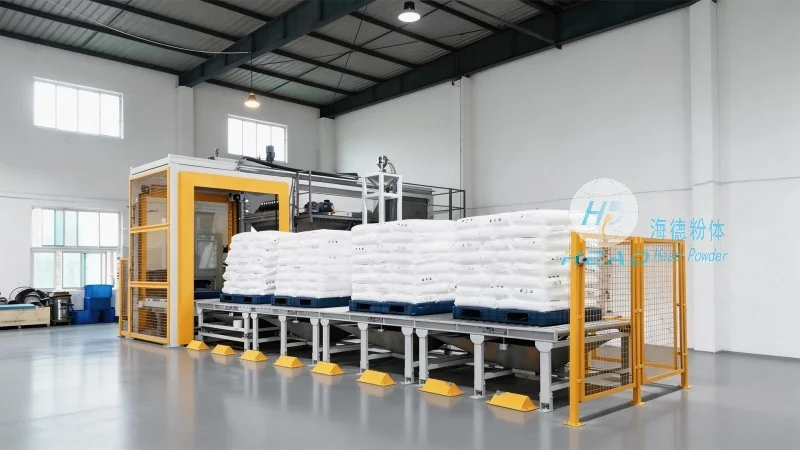
Material handling equipment, such as feeders and silos, is another essential component of the system. Properly designed feeders ensure consistent material flow into the pipeline, preventing blockages and maintaining system stability. Silos and storage tanks must be equipped with appropriate aeration and mixing systems to maintain the material's quality and prevent agglomeration. The engineering team at Shandong HeadPowder Engineering Co., Ltd. specializes in integrating these components seamlessly into the overall conveying system.
System maintenance and reliability are also important factors to consider. Positive pressure systems may require more frequent maintenance due to the higher air pressure and material load, while negative pressure systems need regular checks for air leaks and filtration efficiency. The choice of system should be based on the long-term operational costs and the availability of maintenance resources. Headpowder offers reliable systems with robust components that minimize downtime and ensure consistent performance over time.
Conclusion
Choosing between positive pressure and negative pressure pneumatic conveying for dry powders requires a thorough evaluation of material properties, operational requirements, and safety considerations. By understanding the distinct characteristics of each system, industrial operators can select the most suitable option for their specific needs. The Shandong HeadPowder Engineering Co., Ltd. team provides expert guidance and customized solutions to help clients achieve efficient and reliable dry powder pneumatic conveying systems. Whether you are dealing with limestone or other dry powders, our engineering expertise ensures that your conveying system meets the highest standards of performance and safety.




