

What is a Silica Powder Material Pneumatic Conveying Equipment? And What Are Its Design Principles?
When it comes to handling fine powders like silica, the choice of material handling equipment is critical for efficiency and safety. Silica powder, widely used in various industries including construction, electronics, and pharmaceuticals, requires specialized equipment to ensure effective and reliable transport. This article explores the concept of silica powder pneumatic conveying equipment and delves into its fundamental design principles, highlighting how such systems are engineered to meet the unique challenges of transporting fine powders.
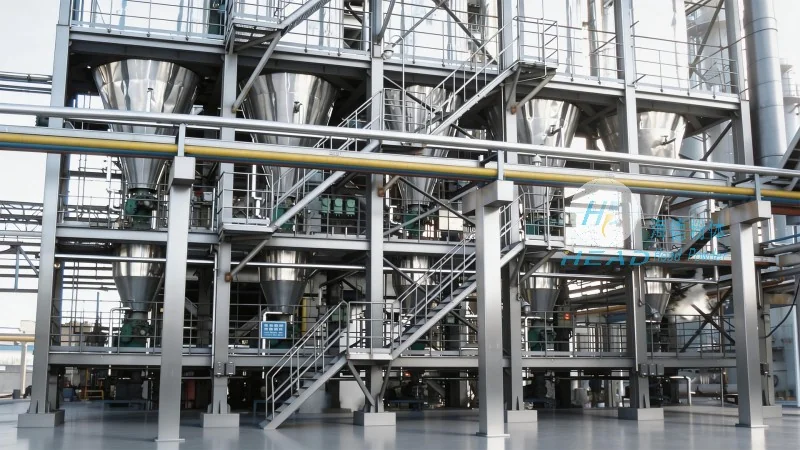
Understanding Pneumatic Conveying for Silica Powder
Pneumatic conveying is a method of transporting bulk materials through a pipeline using a gas, typically air. For silica powder, which is often very fine and can be prone to dust generation and clogging, specialized equipment is essential. The equipment must be designed to handle the specific properties of silica, such as its particle size, density, and flow characteristics. Silica powder, being a non-combustible and inert material, presents unique challenges in terms of dust control and system efficiency. The goal of pneumatic conveying systems for silica powder is to achieve a smooth, continuous flow with minimal pressure drop and reduced maintenance requirements.
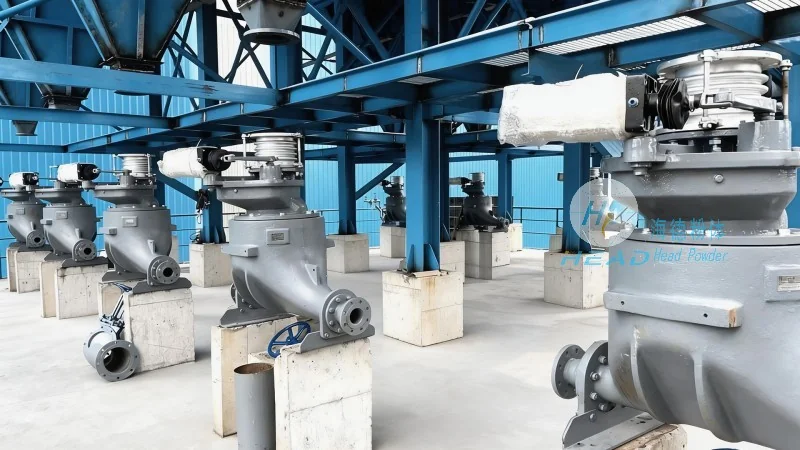
Key Design Principles of Silica Powder Pneumatic Conveying Systems
The design of a silica powder pneumatic conveying system involves several critical principles aimed at optimizing performance and reliability. First, the system must ensure proper air flow and pressure management to maintain consistent material transport. This includes selecting appropriate air velocities and pressure levels that prevent particle settling or blockages in the pipeline. Second, the equipment must incorporate features to handle the fine particle size of silica, such as using smooth, non-stick surfaces and appropriate valve designs to prevent clogging. Third, dust control is a paramount concern, as silica powder can generate significant airborne dust. The design typically includes filtration systems and sealed components to minimize dust emissions and ensure compliance with safety regulations. Fourth, the system must be scalable and adaptable to varying production needs, allowing for adjustments in material flow rates and pipeline configurations. These design principles collectively ensure that the pneumatic conveying system operates efficiently, safely, and with minimal downtime.
Components of Silica Powder Pneumatic Conveying Equipment
A typical silica powder pneumatic conveying system consists of several key components that work in tandem to achieve effective material transport. The primary components include a material feeder, which introduces the silica powder into the system at a controlled rate. The feeder must be designed to handle the fine nature of silica and prevent bridging or agglomeration. Next, the air supply system, which provides the necessary airflow and pressure to move the material through the pipeline. This may include a blower or compressor, along with pressure regulators to maintain consistent performance. The pipeline itself is a critical component, often made of materials resistant to silica powder, such as stainless steel or special coatings, to prevent corrosion and material buildup. The pipeline design includes bends, elbows, and straight sections that are optimized to minimize pressure loss and maintain flow stability. Additionally, the system includes control valves and sensors to monitor and adjust the flow rate, ensuring the system operates within safe and efficient parameters. The discharge system, where the silica powder is released from the pipeline, must be designed to prevent dust escape and ensure clean discharge. Each component is carefully selected and integrated to form a cohesive system that meets the specific requirements of silica powder handling.
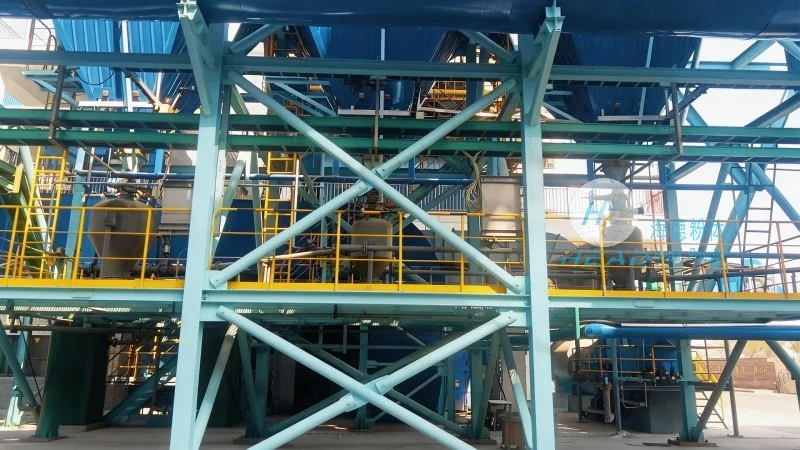
Applications and Benefits of Silica Powder Pneumatic Conveying
Silica powder pneumatic conveying equipment is widely used in various industrial applications due to its efficiency and flexibility. In the construction industry, it is used to transport silica sand for concrete production, ensuring consistent quality and reduced handling time. In electronics manufacturing, silica powder is used in the production of silicon wafers and other components, where precise material handling is crucial. The pharmaceutical industry also utilizes such systems for transporting silica-based excipients, ensuring purity and compliance with regulatory standards. The benefits of pneumatic conveying for silica powder include reduced labor costs, as the system can operate automatically with minimal human intervention. It also minimizes material loss and contamination, as the entire process is contained within the system. Additionally, the equipment is compact and can be integrated into existing production lines, making it a cost-effective solution for many manufacturers. The ability to handle fine powders without the need for mechanical components like belts or buckets also reduces maintenance and repair costs over time. Overall, silica powder pneumatic conveying equipment offers a reliable and efficient solution for transporting this critical material in various industrial settings.