

What is a Glass-Blasted Microsphere Material Pneumatic Conveying Equipment? And What Are Its Design
In industrial material handling, especially for lightweight and fine powders like glass-blasted microspheres, pneumatic conveying systems offer a highly effective solution. These systems utilize air or gas to transport bulk materials, providing advantages such as dust-free operation, flexible layout, and enclosed material transport. This article explores the concept of a glass-blasted microsphere material pneumatic conveying equipment, examining its design principles and how they ensure efficient material movement.
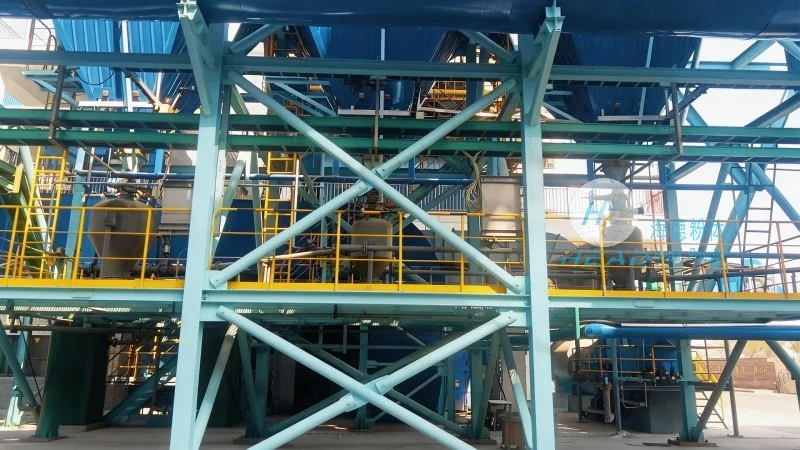
Understanding Glass-Blasted Microspheres and Their Application in Pneumatic Conveying
Glass-blasted microspheres are spherical powders produced by blasting glass particles with high-pressure air or steam, resulting in a porous, lightweight structure. Characterized by low density and high surface area, they are widely used in construction, insulation, and cosmetics. Their unique properties make them ideal for applications requiring weight reduction and thermal insulation. In pneumatic conveying systems, handling these microspheres demands specialized equipment to manage flow characteristics and prevent clogging or degradation.
Key Components of Pneumatic Conveying Systems for Glass-Blasted Microspheres
A typical pneumatic conveying system for glass-blasted microspheres includes several essential components that work in unison. These components are the hopper or feeder, which stores and feeds the microspheres; the air compressor or blower, which generates the necessary airflow; the conveying line, which transports the material-air mixture; and the receiver or discharge unit, where the material is collected. Each component is critical to maintaining system efficiency and reliability.
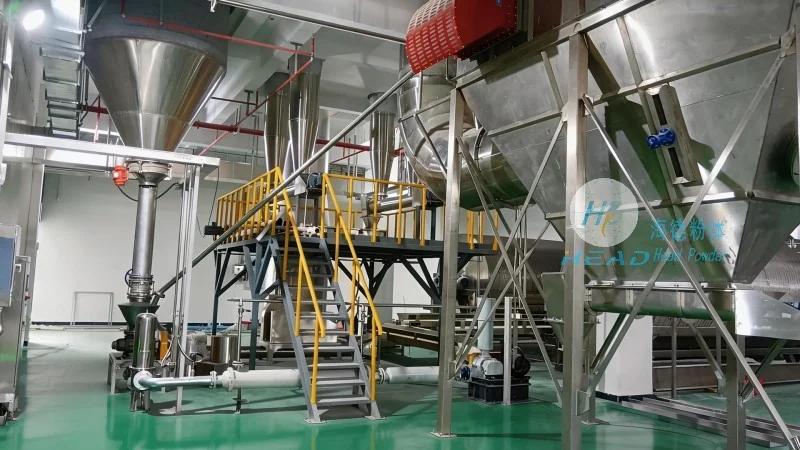
Design Principles for Efficient Pneumatic Conveying of Glass-Blasted Microspheres
The design of a pneumatic conveying system for glass-blasted microspheres is guided by fundamental principles focused on optimizing performance. A primary consideration is the air stream velocity, which must be sufficient to lift and transport the microspheres without causing excessive wear or material degradation. The system design also accounts for particle size and density, as these factors influence required air velocity and pressure. Additionally, the system must prevent particle segregation or separation, which can occur with varying microsphere densities or sizes.
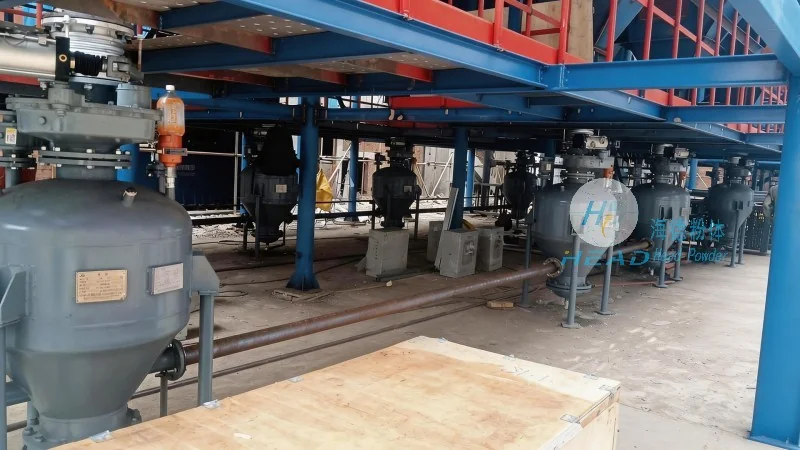
Challenges and Solutions in Handling Glass-Blasted Microspheres
Handling glass-blasted microspheres presents challenges such as clogging, particle attrition, and system pressure drop. To mitigate these issues, engineers employ strategies like appropriate hopper designs to prevent material bridging, selecting the right air compressor for consistent airflow, and incorporating cyclones or filters to separate material from the air stream. These solutions ensure system efficiency and reliability.
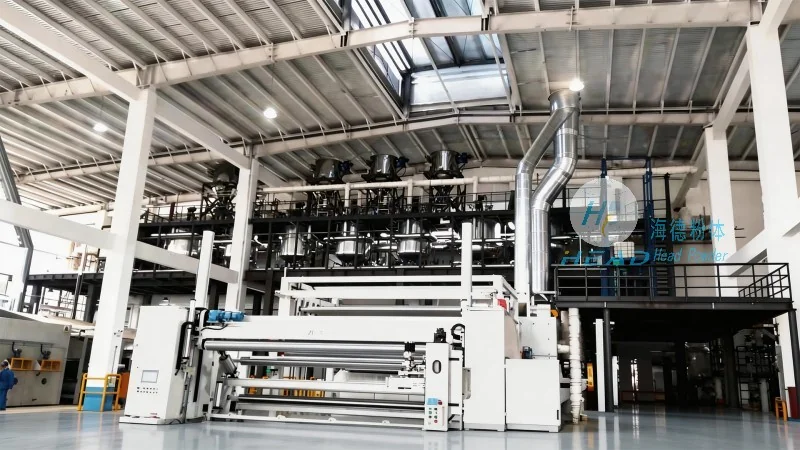
Shandong HeadPowder Engineering Co., Ltd.: Expertise in Pneumatic Conveying Solutions
Shandong HeadPowder Engineering Co., Ltd., based in China, specializes in designing and manufacturing pneumatic conveying equipment tailored to industry needs. With extensive experience in material handling technology, the company has developed advanced systems addressing the unique challenges of transporting glass-blasted microspheres and other fine powders. By leveraging engineering and material science expertise, HeadPowder provides customized solutions that enhance productivity, reduce operational costs, and ensure product quality. Their commitment to innovation and customer satisfaction positions them as a trusted partner for businesses seeking reliable pneumatic conveying systems.
Conclusion: The Importance of Proper Design and Implementation
In summary, a glass-blasted microsphere material pneumatic conveying equipment is a sophisticated system integrating engineering principles and material science to achieve efficient, safe transport of lightweight powders. Design principles, including air velocity, system layout, and component selection, are crucial for success. By understanding these principles and partnering with companies like Shandong HeadPowder Engineering Co., Ltd., industries can optimize material handling processes, improve operational efficiency, and meet modern manufacturing demands. The ongoing development of advanced pneumatic conveying technologies ensures these systems will remain vital to industrial operations for years to come.