

What is a High-Alumina Fly Ash Pneumatic Conveying System? And What Are Its Design Principles?
High-alumina fly ash, a byproduct of coal combustion, is widely used in construction and industrial applications. The efficient and reliable transport of this material is crucial for industrial processes. A high-alumina fly ash pneumatic conveying system offers an effective solution for handling such materials, ensuring minimal dust generation and optimal material flow. This article explores the concept of such a system and its underlying design principles.
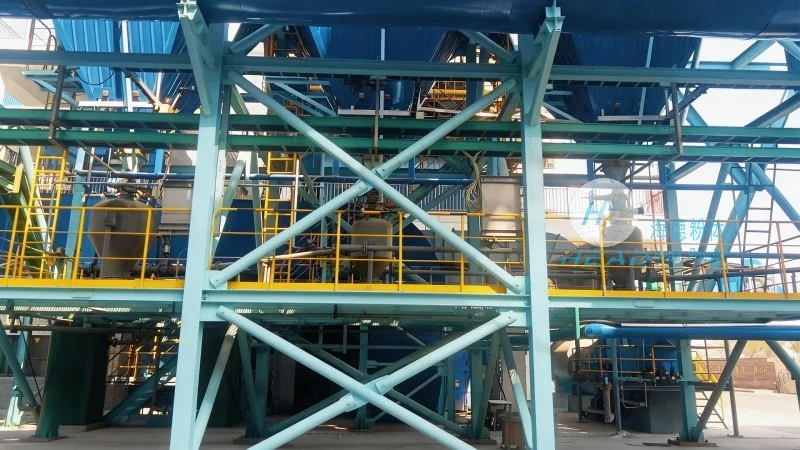
Understanding the High-Alumina Fly Ash Pneumatic Conveying System
At its core, a high-alumina fly ash pneumatic conveying system is a technology that uses air or other gases to transport bulk materials like high-alumina fly ash through a pipeline. This method is particularly suitable for materials that are abrasive, dusty, or have a high density. The system typically consists of a material feed hopper, a conveying line, a control system, and a dust collection unit. The feed hopper stores the high-alumina fly ash, and the material is then introduced into the conveying line under pressure. The air or gas flows through the line, carrying the material to the destination point. The control system manages the pressure, flow rate, and other parameters to ensure smooth operation. The dust collection unit captures any particles that may escape, maintaining a clean and safe working environment.
Key Design Principles for High-Alumina Fly Ash Pneumatic Conveying Systems
The design of a high-alumina fly ash pneumatic conveying system involves several critical principles to ensure efficiency and durability. First, the system must be designed to handle the specific properties of high-alumina fly ash, such as its particle size, density, and abrasiveness. The material's characteristics dictate the type of conveying line, the pressure required, and the necessary equipment. Second, the system must be constructed from materials that can withstand the abrasive nature of the fly ash. High-quality stainless steel or special alloys are often used for the conveying line and other components to prevent wear and tear. Third, the system must incorporate effective dust control measures. This includes using filters and cyclones to capture particles, reducing environmental impact and ensuring compliance with regulations. Fourth, the system must be equipped with a reliable control system that can adjust the flow rate and pressure based on the material's characteristics and the system's performance. This ensures consistent and efficient operation, minimizing downtime and maintenance costs.
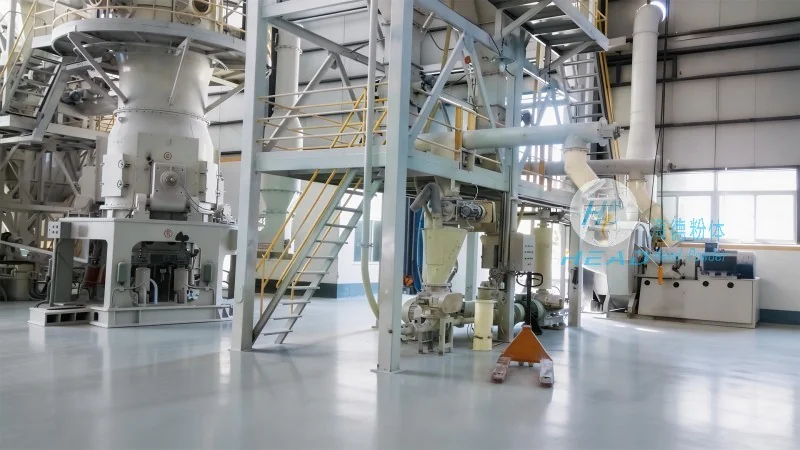
Components and Functionality of the System
The high-alumina fly ash pneumatic conveying system consists of several key components, each playing a vital role in the overall operation. The material feed hopper is the starting point, where the high-alumina fly ash is stored and prepared for transport. The hopper is designed to maintain a consistent material level, ensuring a steady flow into the conveying line. The conveying line is the main channel through which the material is transported. It is typically made of high-strength materials like stainless steel or plastic, capable of withstanding the pressure and abrasion from the fly ash. The air or gas source provides the necessary pressure to move the material through the line. The control system monitors and adjusts the pressure and flow rate, ensuring optimal performance. The dust collection unit captures any particles that may escape, preventing dust pollution and maintaining a safe working environment. The discharge hopper at the end of the line collects the transported material, ready for further processing or use.
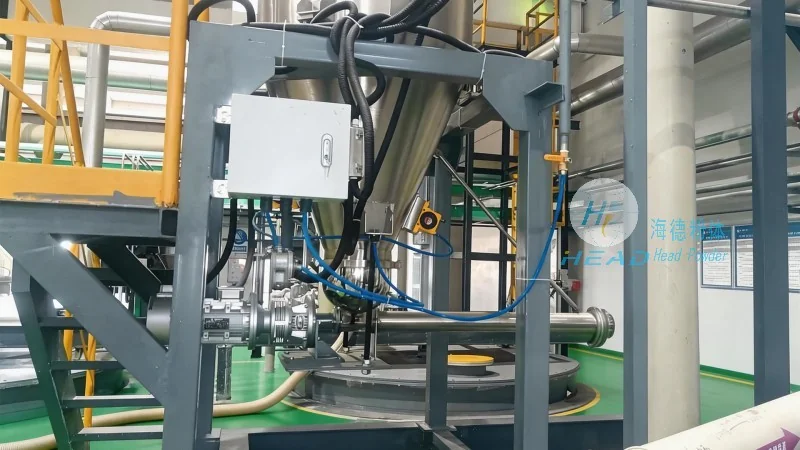
Advantages of Using a High-Alumina Fly Ash Pneumatic Conveying System
Implementing a high-alumina fly ash pneumatic conveying system offers numerous advantages over traditional methods like belt conveyors or manual handling. First, it significantly reduces dust generation, improving workplace safety and environmental compliance. The enclosed system prevents particles from being released into the air, minimizing health risks for workers and reducing the need for extensive dust control measures. Second, it offers high material handling capacity, allowing for the transport of large quantities of high-alumina fly ash over long distances. This increases production efficiency and reduces the need for multiple handling steps. Third, the system is flexible and can be easily integrated into existing industrial processes. It can be adjusted to handle different material types or flow rates, making it a versatile solution for various applications. Fourth, it reduces maintenance costs and downtime. The enclosed design minimizes wear and tear on components, and the control system helps prevent operational issues, reducing the need for frequent repairs. Finally, the system is energy-efficient compared to other methods, as it uses less power to transport the material while maintaining high efficiency.
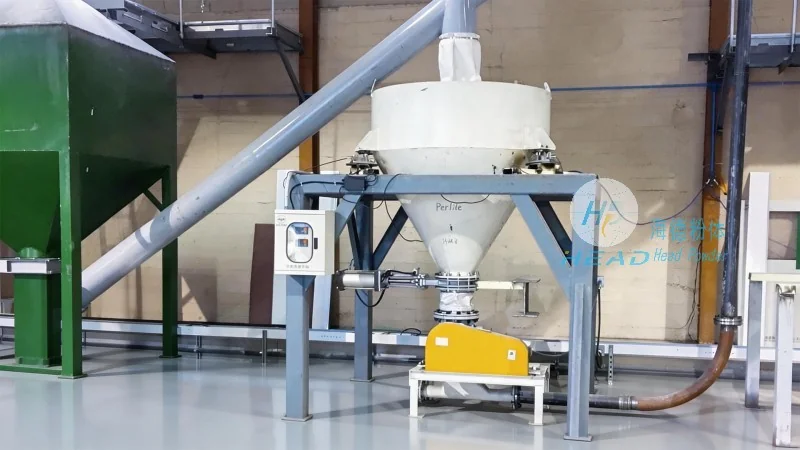
Applications and Industries
High-alumina fly ash pneumatic conveying systems are widely used in various industries that utilize high-alumina fly ash. In the construction industry, the material is used as a raw material for cement production, and the system efficiently transports it from storage to the production facility. In the power generation industry, the system is used to transport fly ash from the boiler to the storage area, ensuring a continuous supply of material. In the chemical industry, the system is used to transport fly ash for use in various chemical processes, such as the production of aluminum compounds. Additionally, the system is used in the manufacturing industry for the transport of high-alumina fly ash in the production of refractory materials and other industrial products. The versatility of the system makes it suitable for a wide range of applications, making it a valuable asset for industries that rely on high-alumina fly ash.
Conclusion
A high-alumina fly ash pneumatic conveying system is an essential technology for efficiently and reliably handling high-alumina fly ash. Its design principles, components, and advantages make it a superior choice compared to traditional methods. By understanding the key aspects of such a system, industries can make informed decisions about implementing this technology to improve their operations. The system not only enhances efficiency and safety but also contributes to environmental sustainability by reducing dust pollution. As the demand for high-alumina fly ash continues to grow, the importance of effective conveying systems will only increase. Companies like Shandong HeadPowder Engineering Co., Ltd., based in China, specialize in designing and manufacturing such systems, providing tailored solutions to meet the specific needs of their clients. With their expertise and commitment to quality, they help industries optimize their material handling processes and achieve their operational goals.