When it comes to the pneumatic conveying of magnesium oxide, selecting the right system is crucial for ensuring efficiency, safety, and cost-effectiveness. The two primary methods available are positive pressure and negative pressure systems. Understanding the differences between these two approaches is essential for making an informed decision. This article will explore the characteristics of each system, their applications, and key factors to consider when choosing between them for magnesium oxide handling.
Understanding Pneumatic Conveying Systems
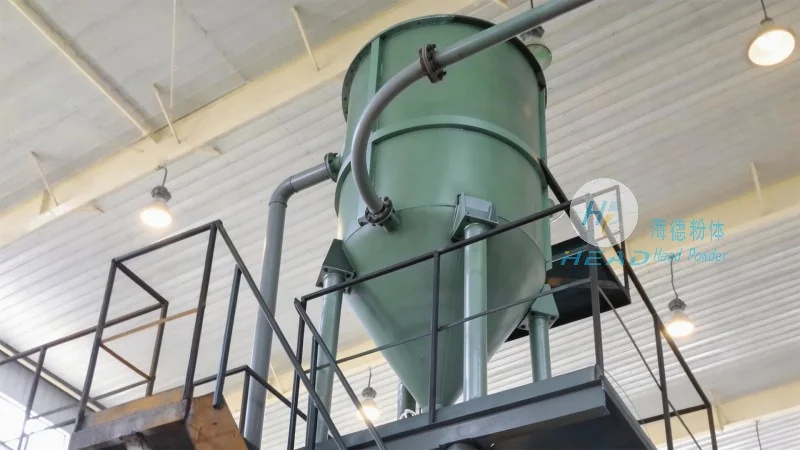
Pneumatic conveying is a method of transporting bulk materials like magnesium oxide through a pipeline using air or gas as the conveying medium. It offers several advantages over traditional mechanical conveying, including reduced equipment wear, lower labor costs, and the ability to transport materials over long distances without the need for intermediate storage. However, the choice between positive and negative pressure systems depends on various factors such as material properties, system layout, and operational requirements.
Positive Pressure Pneumatic Conveying
Positive pressure systems operate by blowing air or gas into the conveying line, creating a pressure higher than the ambient air pressure. This pressurized air pushes the material forward through the pipeline. In the context of magnesium oxide, positive pressure systems are often preferred for applications where the material is to be transported over long distances or through complex piping networks. They are particularly suitable for materials that are prone to dusting or caking, as the pressurized air helps maintain the material's flowability. The system typically includes a blower or compressor at the inlet, which supplies the necessary pressure to move the material. This approach ensures a consistent flow rate and can handle high volumes of material efficiently.
Negative Pressure Pneumatic Conveying
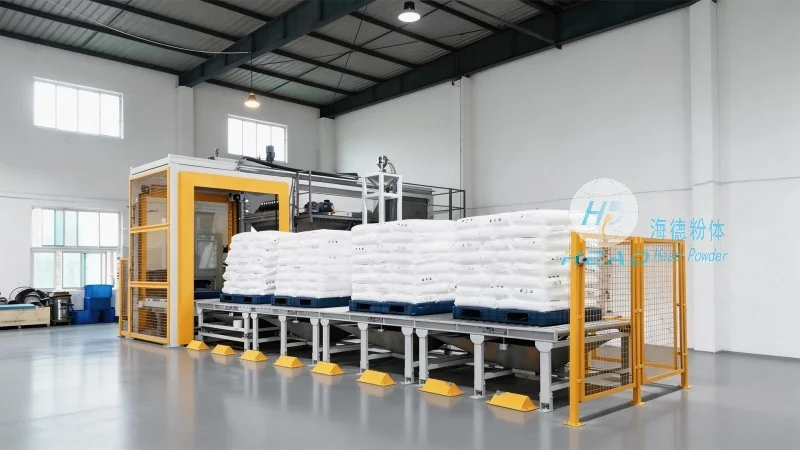
Negative pressure systems, also known as vacuum systems, work by creating a vacuum in the conveying line, which draws the material from the source into the pipeline. The material is then carried by the suction created by the vacuum pump. For magnesium oxide, negative pressure systems are commonly used when the material needs to be transported from a source to a destination where the destination is at a higher elevation or when the material is to be collected from a hopper or silo. These systems are particularly effective for short to medium distance conveying and for handling materials that are less prone to dusting. The vacuum pump is located at the outlet of the system, and the material is drawn into the pipeline as the air is pulled out, creating a suction effect.
Key Differences Between Positive and Negative Pressure Systems
Several factors differentiate positive and negative pressure pneumatic conveying systems. The most significant difference is the direction of air flow and the pressure differential. Positive pressure systems use pressure to push the material, while negative pressure systems use suction to pull the material. This affects the system's layout and the type of equipment required. For example, positive pressure systems may require more robust piping and seals to prevent air leakage, whereas negative pressure systems need better filtration to prevent dust from escaping into the environment. Another key difference is the impact on the material's properties. Positive pressure systems can help maintain the material's moisture content and prevent clumping, as the pressurized air keeps the particles in suspension. In contrast, negative pressure systems may cause more dust generation due to the suction effect, which can affect the material's quality and the system's maintenance requirements.
Factors to Consider When Choosing a System for Magnesium Oxide
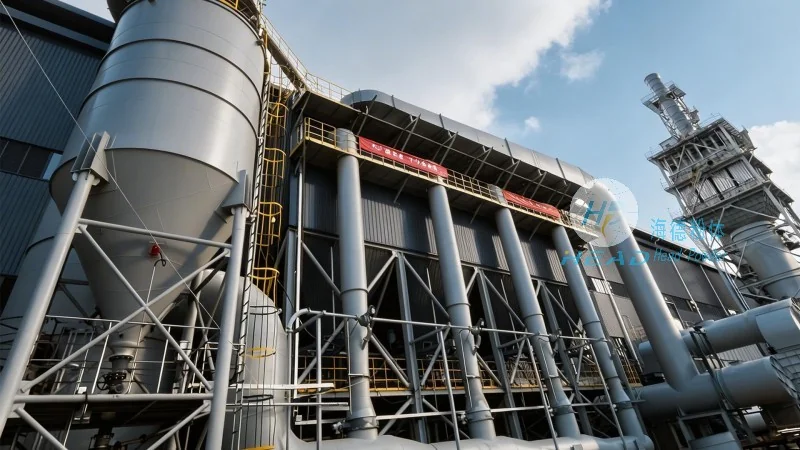
When deciding between positive and negative pressure pneumatic conveying for magnesium oxide, several factors must be considered. The first is the distance and layout of the conveying system. Positive pressure systems are generally more suitable for long-distance conveying, as they can maintain a consistent pressure throughout the pipeline. Negative pressure systems are better for shorter distances or when the material needs to be collected from a higher elevation. The second factor is the material's properties, such as its density, flowability, and tendency to dust or cake. Materials that are more prone to dusting or caking may benefit from positive pressure systems, as the pressurized air helps keep the particles in suspension. The third factor is the environmental considerations. Negative pressure systems may require additional filtration to prevent dust from escaping into the environment, which can be a concern for magnesium oxide due to its fine particle size. The fourth factor is the cost and maintenance requirements. Positive pressure systems may have higher initial costs due to the need for a blower or compressor, but they can be more energy-efficient for long-distance conveying. Negative pressure systems may have lower initial costs but may require more frequent maintenance due to the vacuum pump and filtration systems.
Conclusion
Choosing between positive and negative pressure pneumatic conveying for magnesium oxide depends on a variety of factors, including the distance of the conveying system, the material's properties, and the environmental and cost considerations. Positive pressure systems are generally more suitable for long-distance conveying and materials that are prone to dusting or caking, while negative pressure systems are better for shorter distances or when the material needs to be collected from a higher elevation. By understanding the characteristics of each system and considering the specific requirements of the magnesium oxide handling application, one can select the most appropriate pneumatic conveying system. The choice of system will directly impact the efficiency, safety, and overall performance of the magnesium oxide handling operation.




