When it comes to transporting dry sand, selecting the right conveying method is crucial for efficiency, cost-effectiveness, and operational safety. Two primary approaches dominate the industry: positive pressure conveying and negative pressure conveying. Each method has distinct characteristics, advantages, and applications. Understanding the differences between these systems is essential for making an informed decision that aligns with specific project requirements.
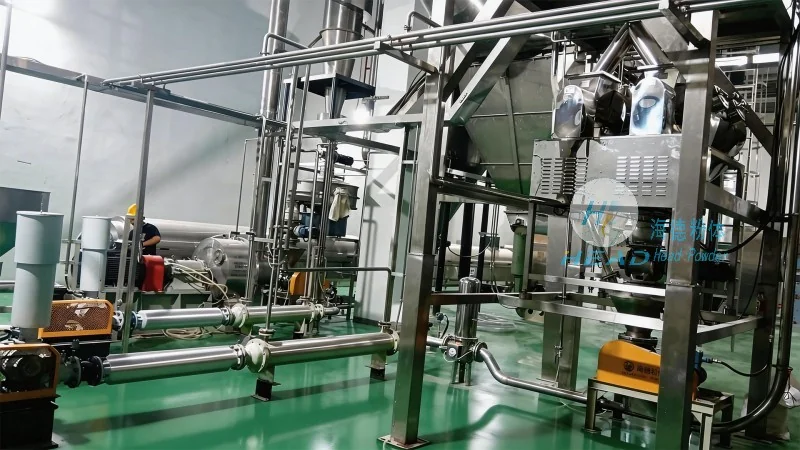
Positive Pressure Conveying for Dry Sand
Positive pressure conveying, also known as pressure pneumatic conveying, involves blowing air or a gas mixture under pressure into a pipeline to move dry sand particles. This method is often preferred for applications requiring high material flow rates and long-distance transport. The system operates by creating a positive pressure environment within the pipeline, which forces the sand to move forward. A key advantage of positive pressure systems is their ability to handle abrasive materials like dry sand without significant wear on components. They are also effective in environments where dust control is critical, as the system can be designed with enclosed pipelines to minimize emissions.
HeadPowder Engineering specializes in designing and manufacturing advanced positive pressure conveying systems tailored for dry sand applications. Our systems are engineered to ensure reliable performance, even with challenging materials such as fine or coarse sand. The technology used in our positive pressure conveyors includes high-efficiency blowers, robust pipeline networks, and intelligent control systems that optimize air usage and material transport. These features help reduce operational costs and enhance overall productivity in sand processing operations.
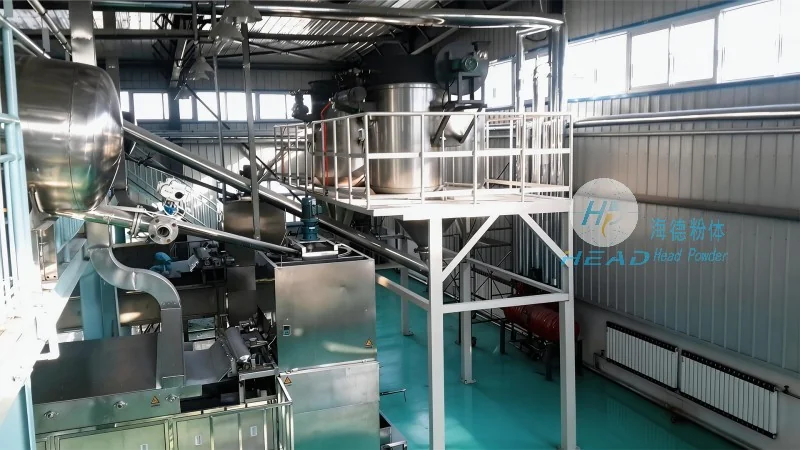
Negative Pressure Conveying for Dry Sand
Negative pressure conveying, or vacuum pneumatic conveying, operates by creating a vacuum in the pipeline to draw dry sand particles into the system. This method is typically used for shorter distances and applications where dust containment is less of a concern, or when the material is sensitive to high pressure. The system works by using a vacuum pump to create a pressure differential that pulls the sand from the source to the destination. One of the main benefits of negative pressure systems is their lower energy consumption compared to positive pressure systems, especially for shorter transport distances. However, they may be less effective for abrasive or fine materials, as the vacuum can cause more wear on components and reduce the system's efficiency.
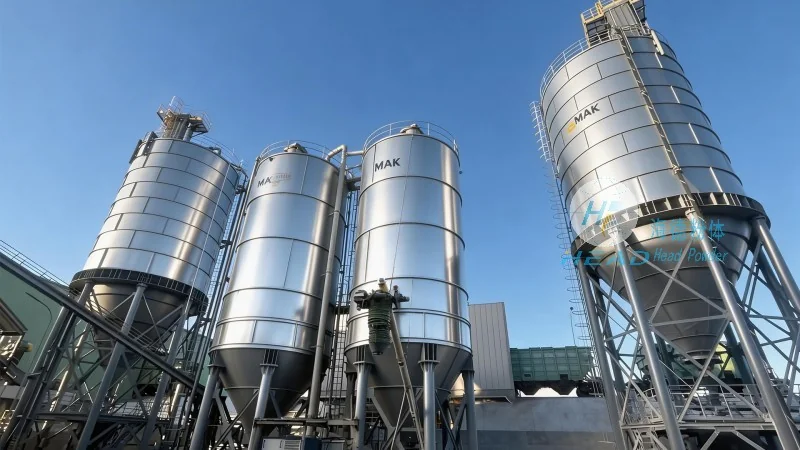
HeadPowder Engineering also offers negative pressure conveying solutions for dry sand transport. Our vacuum systems are designed to handle various sand types, from fine powders to larger granules, while maintaining optimal performance. The technology includes high-capacity vacuum pumps, flexible hose or pipeline configurations, and advanced filtration systems to ensure clean material handling. These systems are ideal for applications where space constraints or cost-effectiveness is a priority, as they require less infrastructure and maintenance compared to positive pressure alternatives.
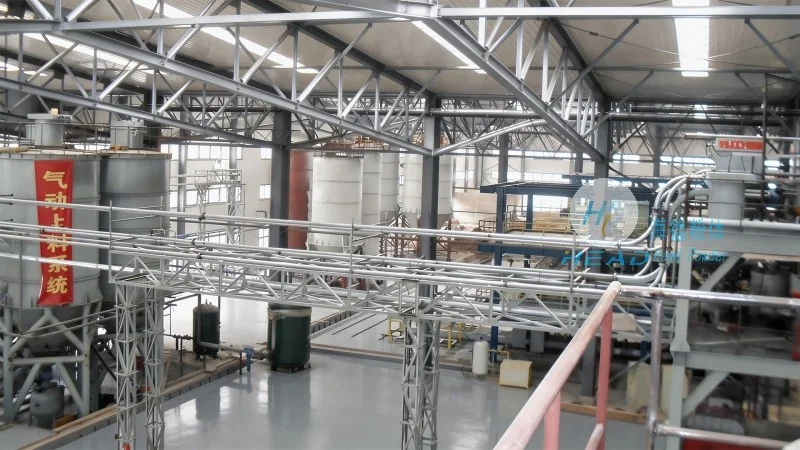
Distinguishing Between Positive and Negative Pressure Conveying
Choosing between positive and negative pressure conveying for dry sand depends on several factors, including the material characteristics, transport distance, and environmental requirements. Here are some key considerations to help make the right choice:
- Material Abrasiveness and Particle Size: For highly abrasive or fine dry sand, positive pressure conveying is often preferred due to its ability to handle these materials without excessive wear. Negative pressure systems may struggle with fine particles, as they can clog the vacuum pump and reduce efficiency.
- Transport Distance: Positive pressure systems are better suited for long-distance transport (typically over 100 meters) due to their higher pressure capabilities. Negative pressure systems are more efficient for shorter distances (up to 50-100 meters) as they require less energy to maintain the vacuum.
- Dust Control and Environmental Regulations: Positive pressure systems excel in environments where dust emissions must be minimized, as they can be fully enclosed. Negative pressure systems may require additional filtration or containment measures, especially for fine sand.
- Energy Consumption: Negative pressure systems generally consume less energy for short distances, making them cost-effective for smaller-scale operations. Positive pressure systems may have higher energy costs due to the need for high-pressure blowers, but they offer better performance for long-distance transport.
Conclusion and Company Overview
Ultimately, the choice between positive and negative pressure conveying for dry sand depends on a careful evaluation of project-specific needs. HeadPowder Engineering, a leading provider of dry sand conveying solutions, offers both positive and negative pressure systems to meet diverse industrial requirements. Our expertise in material handling and pneumatic conveying technology ensures that clients receive tailored solutions that enhance operational efficiency and safety. With a focus on quality and innovation, HeadPowder Engineering continues to serve industries worldwide with reliable and efficient dry sand transport systems.




