

What is a Small Bean Material Pneumatic Conveying System? And What Are Its Design Principles?
Small bean material pneumatic conveying systems are specialized equipment used in the processing and handling of small bean materials. These systems utilize air as the primary medium to transport granular or powdery materials from one location to another within industrial settings. The technology is widely adopted in industries such as food processing, agriculture, and chemical manufacturing due to its efficiency and ability to handle delicate or sensitive materials without causing damage.
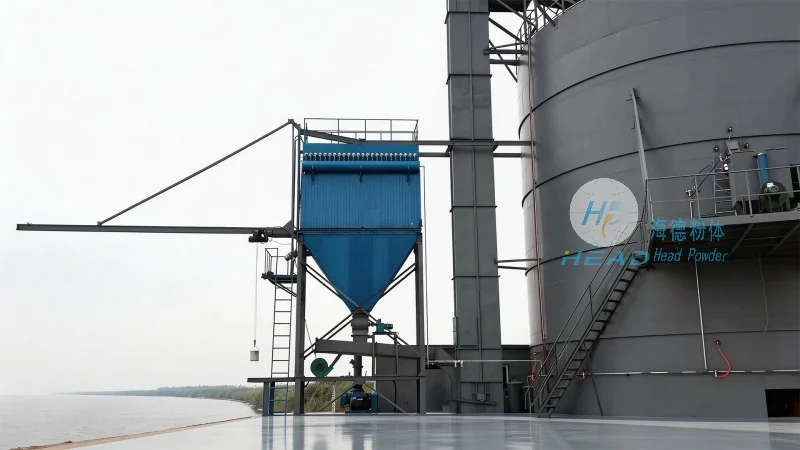
Understanding the Core Function of Small Bean Material Pneumatic Conveying Systems
The primary function of a small bean material pneumatic conveying system is to transport small bean materials, including seeds, grains, or similar granular products, through a network of pipes using compressed air. Unlike traditional mechanical conveyors, which rely on mechanical components like belts or screws, pneumatic systems use air pressure to move materials. This method is particularly advantageous for materials that are prone to breakage or require gentle handling, as it minimizes the risk of damage during transportation.
Key Design Principles Behind Small Bean Material Pneumatic Conveying Systems
The design of a small bean material pneumatic conveying system is based on several critical principles that ensure efficient and reliable operation. These principles include the selection of appropriate air pressure, the configuration of the pipe network, and the use of specialized components like airlocks and cyclones. The system typically operates by creating a pressure differential between the inlet and outlet of the conveying line. Compressed air is introduced at the inlet, which draws the small bean material into the pipe and propels it toward the discharge point. The design must consider factors such as material density, particle size, and moisture content to optimize the conveying process and prevent blockages or system inefficiencies.
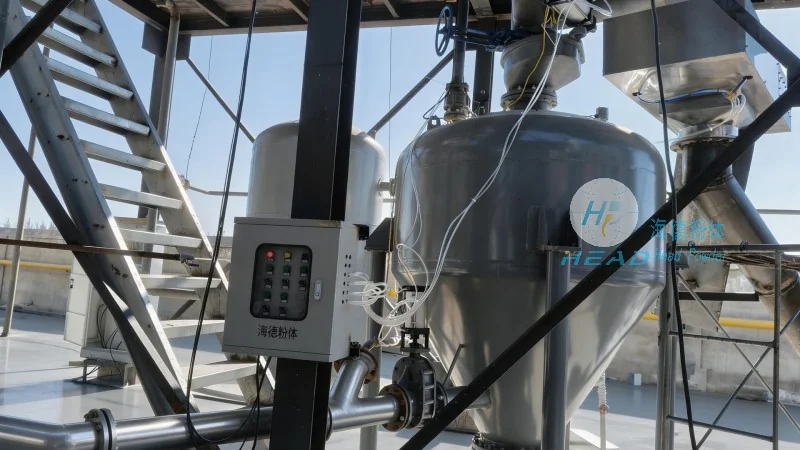
Components and Their Roles in the System
A small bean material pneumatic conveying system consists of several key components, each playing a vital role in the overall operation. The main components include the air compressor, which generates the necessary compressed air; the hopper or feeder, which holds the small bean material and regulates the flow into the system; the conveying line, which transports the material through the pipes; and the airlock or separator, which separates the material from the air at the discharge end. Additionally, the system may include cyclones or filters to capture any fine particles and prevent contamination. The design of each component must be tailored to the specific characteristics of the small bean material being handled, ensuring optimal performance and minimal maintenance.
Advantages of Using Small Bean Material Pneumatic Conveying Systems
Small bean material pneumatic conveying systems offer numerous advantages over traditional mechanical conveying methods. One of the most significant benefits is the ability to handle delicate or sensitive materials without causing damage. The air-based transport minimizes friction and impact, preserving the quality and integrity of the small bean material. Additionally, these systems are highly flexible and can be easily integrated into existing industrial processes. They can transport materials over long distances and through multiple levels or changes in elevation, making them suitable for complex production layouts. The systems also provide better control over material flow, allowing for precise dosing and regulation of the conveying rate. Furthermore, pneumatic systems are generally more hygienic and easier to clean, which is crucial in industries like food processing where sanitation is a top priority.
Applications in Different Industries
Small bean material pneumatic conveying systems are widely used across various industries due to their versatility and efficiency. In the food industry, they are commonly employed to transport grains, seeds, and other food products from storage to processing areas. The gentle handling ensures that the products remain in good condition, maintaining their nutritional value and quality. In agriculture, these systems are used for the transport of seeds, fertilizers, and other agricultural materials, facilitating efficient farm operations. The chemical industry also benefits from pneumatic conveying systems, as they can handle a wide range of powders and granules, including those that are abrasive or reactive. The ability to control the flow and pressure makes them suitable for handling materials that require precise dosing or temperature control.
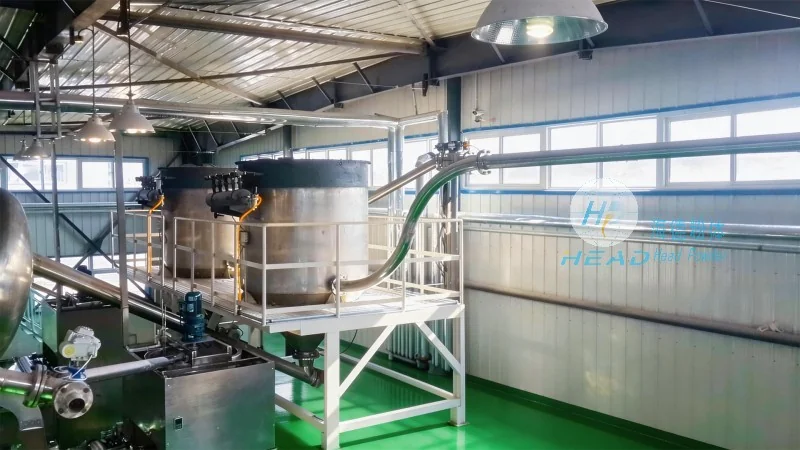
Considerations for Design and Installation
When designing and installing a small bean material pneumatic conveying system, several factors must be considered to ensure optimal performance and longevity. The first consideration is the selection of the appropriate air pressure. The pressure must be sufficient to overcome the resistance of the pipe network and the weight of the material, but not so high as to cause excessive wear on the components or damage to the material. The pipe diameter and length are also critical, as they directly affect the conveying capacity and pressure drop. The system must be designed to handle the specific characteristics of the small bean material, such as particle size distribution, moisture content, and density. Additionally, the system should be equipped with proper safety features, such as pressure relief valves and air filters, to prevent accidents and maintain air quality. Regular maintenance is also essential to ensure the system operates efficiently and to prevent downtime.
Conclusion
Small bean material pneumatic conveying systems are essential equipment in many industrial applications, providing an efficient and gentle method for transporting small bean materials. The design principles behind these systems, including the use of compressed air, specialized components, and careful consideration of material characteristics, ensure reliable and effective operation. The advantages of pneumatic conveying, such as minimal material damage, flexibility, and hygiene, make it a preferred choice in industries like food processing and agriculture. As technology advances, these systems continue to evolve, offering even better performance and adaptability. For businesses dealing with small bean materials, investing in a well-designed pneumatic conveying system can lead to improved productivity, reduced costs, and enhanced product quality.