When it comes to conveying ceramic powders, selecting the right method is crucial for ensuring efficiency, safety, and product quality. Two primary approaches are widely used: positive pressure conveying and negative pressure conveying. Understanding the differences between these systems is essential for making an informed decision that aligns with your operational needs. This article will explore the characteristics, applications, and key factors to consider when choosing between positive and negative pressure for ceramic powder handling, with insights from Shandong HeadPowder Engineering Co., Ltd., a leading provider of ceramic powder handling solutions based in Shandong, China.
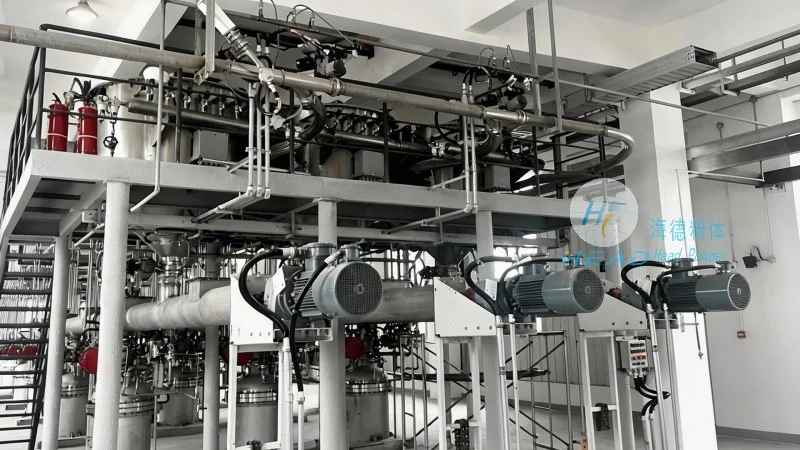
Understanding Ceramic Powder Conveying Systems
Ceramic powders, such as those used in ceramics, refractories, and advanced materials, often require specialized handling due to their fine particle size and potential for dust generation. Conveying systems are designed to transport these powders from storage to processing equipment while maintaining control over dust, moisture, and particle degradation. The choice between positive and negative pressure systems depends on several factors, including the powder's properties, the distance to be conveyed, and the desired level of environmental control.
Positive Pressure Conveying: Advantages and Applications
Positive pressure conveying systems operate by blowing air or a carrier gas into the conveying line, creating a pressure higher than the ambient environment. This method is often preferred for transporting abrasive or corrosive powders, as it minimizes particle degradation and reduces the risk of clogging. The high-pressure air stream effectively moves the powder through the system, ensuring consistent flow rates and preventing material buildup in the ductwork.
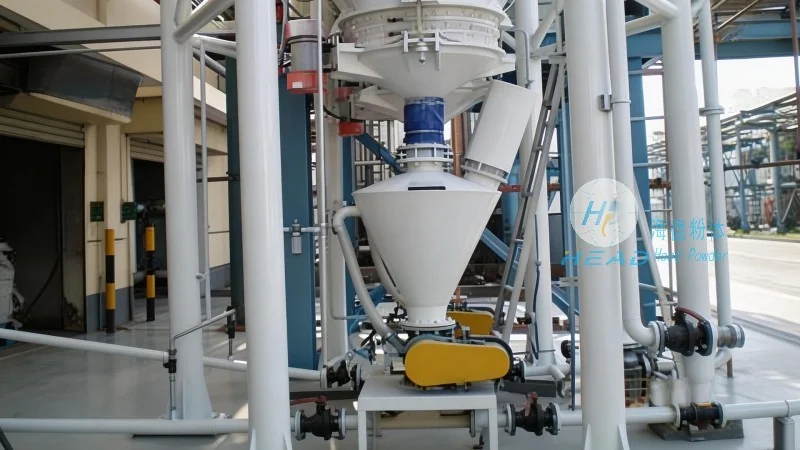
For ceramic powders, positive pressure systems are particularly suitable when dealing with materials that are sensitive to moisture or require precise control over particle size distribution. The pressurized environment helps maintain the powder's integrity during transport, making it ideal for applications where product quality is paramount. Additionally, positive pressure systems are generally more energy-efficient for shorter conveying distances, as they can operate at lower air velocities compared to negative pressure systems.
Negative Pressure Conveying: Advantages and Applications
Negative pressure conveying, also known as suction or vacuum conveying, works by creating a vacuum in the conveying line, drawing the powder into the system. This method is commonly used for handling lighter powders or those that are less abrasive, as it reduces the wear on equipment and ductwork. The vacuum creates a gentle suction that moves the powder without the high-velocity air streams associated with positive pressure systems.
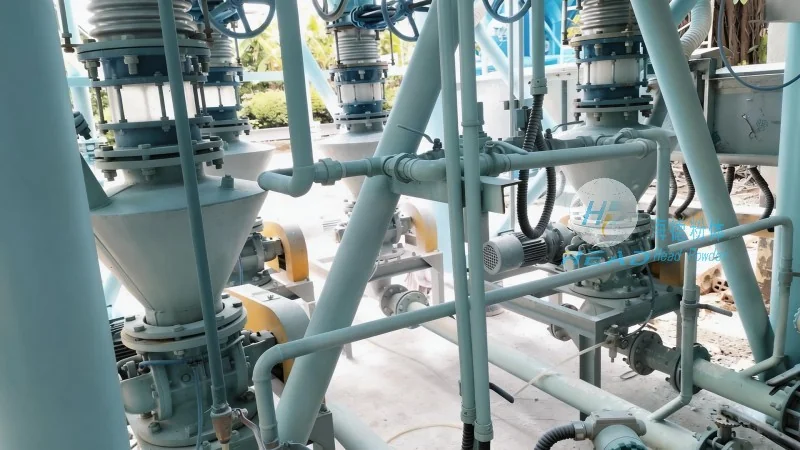
For ceramic powders, negative pressure systems are advantageous when dealing with materials that are prone to caking or when the conveying distance is longer. The lower air velocities help prevent particle agglomeration, making it suitable for powders that require gentle handling. However, negative pressure systems may be less efficient for abrasive or heavy powders, as the vacuum can lead to increased wear on components and higher energy consumption over longer distances.
Distinguishing Between Positive and Negative Pressure Systems
When deciding between positive and negative pressure conveying for ceramic powders, several key factors should be evaluated. First, consider the powder's physical properties, such as particle size, density, and moisture content. Abrasive or high-density powders typically benefit from positive pressure systems, while lighter or more delicate powders may be better suited for negative pressure. Second, assess the conveying distance and layout of the system. Shorter distances are often more compatible with positive pressure, while longer or more complex layouts may require negative pressure for better control.
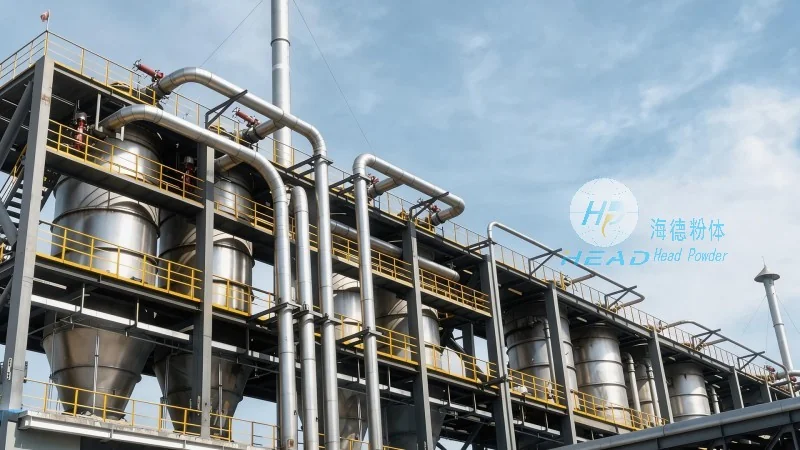
Environmental considerations also play a critical role. Positive pressure systems are generally more effective at containing dust and preventing contamination, making them ideal for applications where air quality is a concern. Negative pressure systems, while effective at capturing dust, may require additional filtration to prevent air leakage and maintain compliance with environmental regulations. Finally, energy consumption and operational costs should be evaluated. Positive pressure systems are often more energy-efficient for shorter distances, while negative pressure systems may be more suitable for longer runs where the vacuum is maintained more efficiently.
Conclusion: Making the Right Choice for Ceramic Powder Conveying
Choosing between positive and negative pressure conveying for ceramic powders requires a careful analysis of the material's characteristics, operational requirements, and environmental constraints. Positive pressure systems offer robustness and efficiency for shorter distances and abrasive materials, while negative pressure systems provide gentle handling and better control for longer or more delicate powder applications. By understanding the advantages and limitations of each approach, manufacturers can select the most appropriate conveying system to ensure optimal performance, product quality, and operational safety. Shandong HeadPowder Engineering Co., Ltd. specializes in providing tailored solutions that meet these specific needs, helping industries optimize their ceramic powder handling processes.




