When selecting the appropriate conveying system for sugar, understanding the differences between positive pressure and negative pressure systems is crucial. Both methods are widely used in the sugar industry, but each has distinct characteristics and applications that can impact efficiency, cost, and operational safety. This article aims to provide a comprehensive guide to help you make an informed decision by outlining the key factors and practical considerations for each type of system.
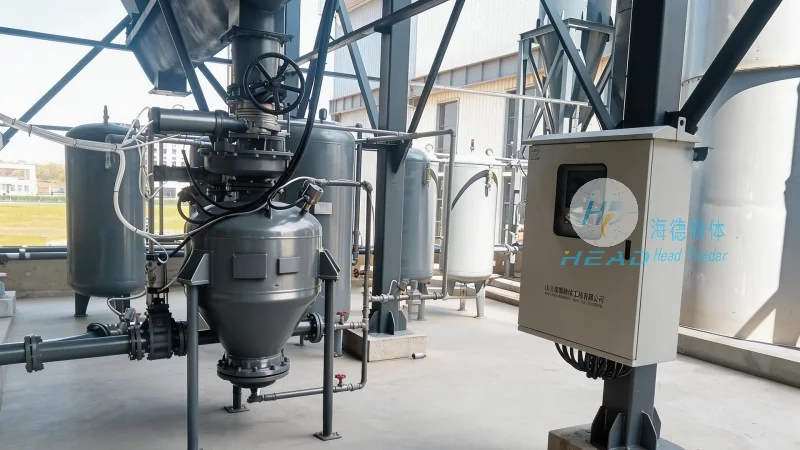
Understanding Conveying Systems in Sugar Handling
Sugar handling operations often require efficient and reliable material transport from storage to processing units. Conveying systems are essential for maintaining production flow and minimizing downtime. The choice between positive pressure and negative pressure systems depends on several factors, including the nature of the material, the distance to be conveyed, the required capacity, and the environmental considerations of the facility. Both systems have been refined over decades to meet the specific demands of the sugar industry, offering solutions tailored to different operational scenarios.
Key Differences Between Positive Pressure and Negative Pressure Conveying
At the core of the decision-making process is the fundamental difference in how air or gas is used to move the material. Positive pressure systems operate by blowing air or gas into the conveying line, creating a pressure higher than the ambient air. This forces the material to move forward. In contrast, negative pressure systems create a vacuum or lower pressure within the line, drawing the material into the system as it is pulled by the suction.
Positive Pressure Conveying Systems
Positive pressure conveying, also known as pressure or blow-through systems, utilizes a blower or fan to generate air pressure that propels the material through the pipeline. This method is particularly effective for conveying dry, free-flowing materials like sugar, as it can handle a wide range of particle sizes and moisture levels. The primary advantage of positive pressure systems is their ability to maintain a consistent flow rate and handle long distances without significant pressure loss. They are also suitable for applications where the material needs to be discharged at a specific point, as the pressure can be controlled to direct the flow accurately.
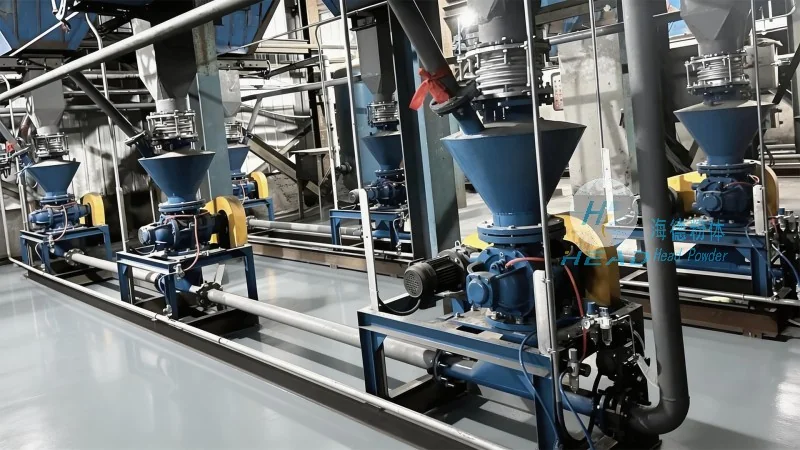
Shandong HeadPowder Engineering Co., Ltd., a leading provider of industrial conveying solutions, specializes in designing and manufacturing positive pressure systems tailored to the sugar industry. Their expertise ensures that the equipment is optimized for efficiency, durability, and low maintenance, making it a reliable choice for sugar processing facilities. The company’s positive pressure conveyors are engineered to handle high volumes of sugar while minimizing energy consumption and operational costs.
Negative Pressure Conveying Systems
Negative pressure conveying, or vacuum systems, operates by creating a suction effect that draws the material into the conveying line. This method is often preferred for applications where the material needs to be collected from multiple points or where the environment is sensitive to dust and particulate emissions. The vacuum created in the system pulls the material through the pipeline, ensuring that the material is contained and transported without releasing dust into the air.
For sugar handling, negative pressure systems are particularly beneficial when dealing with fine or powdery sugar that is prone to dusting. The enclosed nature of the system helps maintain a clean environment and reduces the risk of contamination. However, negative pressure systems may have limitations in terms of the distance they can effectively convey material, as the vacuum can diminish over longer distances. Additionally, they require more robust filtration and maintenance to prevent clogging and ensure consistent performance.
Factors to Consider When Choosing a Conveying System
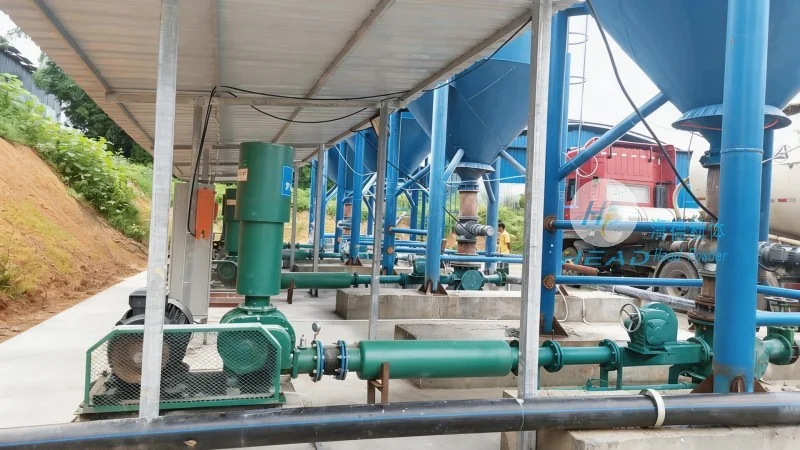
When deciding between positive and negative pressure systems for sugar conveying, several key factors should be evaluated. The first consideration is the material characteristics, such as particle size, moisture content, and flowability. Coarser or more abrasive materials may be better suited for positive pressure systems, which can handle higher impact and pressure. Conversely, fine or delicate materials like powdered sugar may benefit from the gentler suction of negative pressure systems.
The distance and layout of the conveying system are also critical. Positive pressure systems are generally more effective for longer distances due to their ability to maintain pressure. If the facility has a complex layout with multiple collection points, negative pressure systems may be more suitable as they can draw material from various sources into a central vacuum line. Energy consumption and operational costs are another important factor. Positive pressure systems typically require higher energy input due to the need to generate pressure, while negative pressure systems may have lower energy costs but higher maintenance requirements for the vacuum components.
Application Examples in the Sugar Industry
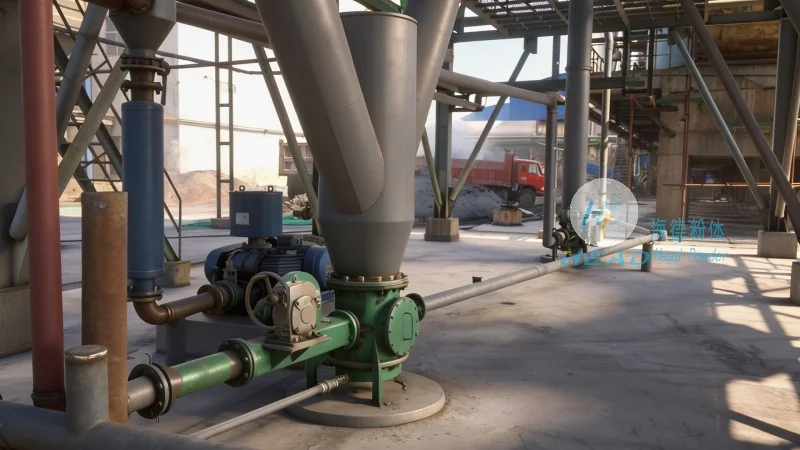
Positive pressure systems are commonly used in large-scale sugar processing plants for transporting raw sugar from storage silos to the refining equipment. The high capacity and reliability of these systems make them ideal for handling large volumes of material. For example, a sugar mill might use a positive pressure conveyor to move raw sugar from a storage bunker to a grinding or milling unit, ensuring a continuous flow of material without interruptions.
Negative pressure systems are often employed in smaller processing facilities or for handling fine sugar products. A typical application could be conveying powdered sugar from a storage bin to a packaging line, where the system’s ability to handle fine particles and maintain a dust-free environment is essential. The gentle suction of the negative pressure system prevents the sugar from being broken down or losing its quality during transport.
Conclusion
Choosing between positive pressure and negative pressure for sugar conveying is a decision that requires careful evaluation of operational needs, material characteristics, and system requirements. Both methods offer effective solutions, but the optimal choice depends on the specific conditions of the sugar processing facility. Shandong HeadPowder Engineering Co., Ltd. provides expert guidance and tailored solutions to help sugar manufacturers select the most appropriate conveying system, ensuring efficiency, reliability, and compliance with industry standards.




