Iron fines pneumatic conveying is a specialized method used in industrial processes to transport fine iron particles through a pipeline using compressed air or other gas as the conveying medium. This technology is widely employed in various manufacturing and processing industries, particularly where the handling of abrasive or sensitive materials is required. The process involves creating a flow of air within a closed system, which lifts and transports the iron fines from a source to a destination, such as a storage silo, processing unit, or packaging area.
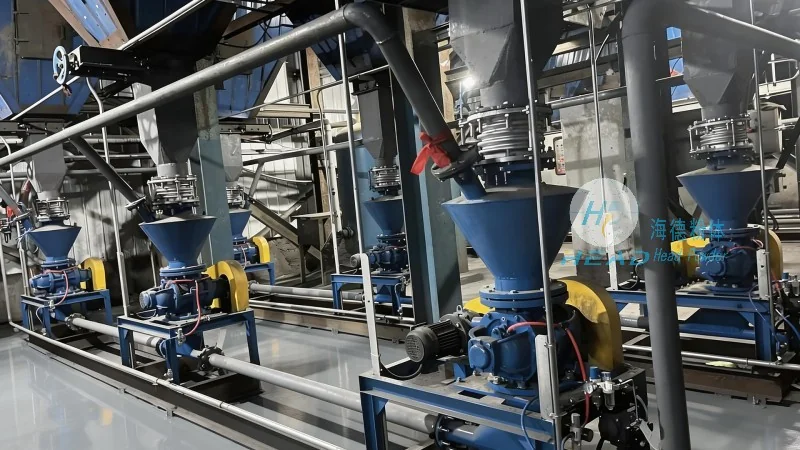
Understanding the Core Concept of Iron Fines Pneumatic Conveying
The fundamental principle of iron fines pneumatic conveying is based on the use of differential pressure to move particulate materials. In this system, a blower or compressor generates high-pressure air that is introduced into the conveying line. As the air flows through the pipe, it creates a low-pressure zone downstream, which draws the iron fines into the stream. The iron particles are then carried along with the air flow, suspended in the gas stream, and delivered to the desired location. This method eliminates the need for mechanical components like conveyors or buckets, reducing the risk of material contamination and mechanical wear.
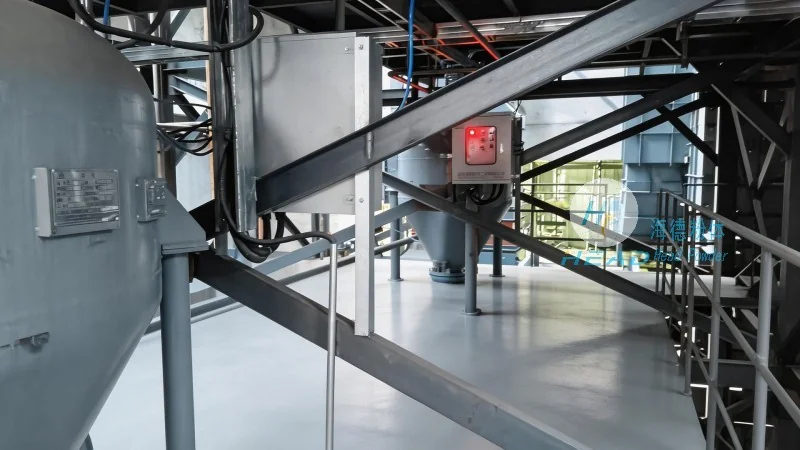
Key Design Principles Behind Iron Fines Pneumatic Conveying
The successful design of an iron fines pneumatic conveying system relies on several critical principles. First, the selection of the appropriate air velocity is crucial. The air velocity must be high enough to keep the iron fines suspended in the gas stream but not so high as to cause excessive pressure drop or energy consumption. Typically, the air velocity is maintained between 20 to 30 meters per second for fine iron particles, ensuring efficient transport while minimizing energy costs. Second, the system design must consider the particle size and density of the iron fines. Smaller particles require higher air velocities to remain suspended, while larger particles may need a combination of high velocity and appropriate pipe diameter to prevent blockages. Third, the system must incorporate proper equipment for air filtration and separation. As the iron fines are conveyed, they need to be separated from the air stream at the destination, typically using cyclone separators or bag filters. This separation process is essential to recover the material and maintain air quality. Fourth, the pipeline layout and system configuration play a vital role in optimizing the conveying process. The pipeline should be designed with gradual bends and minimal changes in direction to avoid particle deposition and pressure losses. Additionally, the use of pressure relief valves and check valves helps to maintain system stability and prevent backflow.
Company Profile: Shandong HeadPowder Engineering Co., Ltd.
Shandong HeadPowder Engineering Co., Ltd., commonly known as HeadPowder, is a leading manufacturer and supplier of pneumatic conveying systems and related equipment. Based in Shandong, China, the company specializes in the design, manufacturing, and installation of industrial conveying solutions tailored to the needs of various industries, including metallurgy, chemicals, and food processing. HeadPowder has extensive experience in developing customized pneumatic conveying systems for handling iron fines and other fine particulate materials. The company adheres to international quality standards and employs advanced engineering techniques to ensure the reliability and efficiency of its products. With a strong commitment to customer satisfaction and technological innovation, HeadPowder has established itself as a trusted partner in the field of material handling solutions.
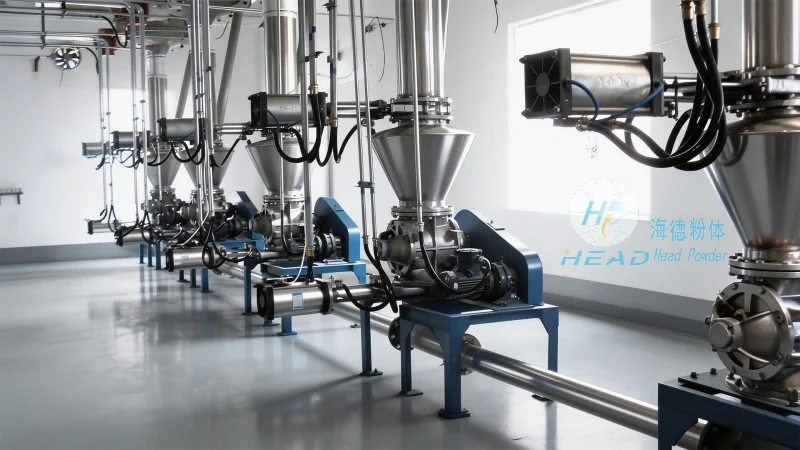
Application Scenarios and Practical Considerations
Iron fines pneumatic conveying is commonly used in applications where the transport of fine iron particles is required, such as in the production of iron-based alloys, steelmaking processes, and the handling of iron ore concentrates. The technology is also applied in the recycling industry, where iron fines are recovered from waste materials and transported to processing facilities. In these applications, the design of the pneumatic conveying system must consider factors such as the particle size distribution, moisture content, and the presence of contaminants. For example, in steelmaking, the iron fines may be transported from a storage silo to a furnace, where they are used as a raw material. The system must be designed to handle the high temperatures and abrasive nature of the material, ensuring that the equipment can withstand the harsh operating conditions. In the recycling industry, the iron fines may be transported from a sorting facility to a smelting plant, where they are processed into new steel products. The system must also be capable of handling the variability in material properties, such as changes in particle size or moisture content, to maintain consistent performance. Practical considerations also include the maintenance and operational costs of the system. Regular maintenance of the air filtration and separation equipment is essential to prevent clogging and ensure efficient operation. Additionally, the energy consumption of the system should be optimized to reduce operational costs. By carefully considering these factors, the iron fines pneumatic conveying system can be designed to meet the specific requirements of the application, providing reliable and efficient material transport.




