When it comes to transporting nickel powder, selecting the right conveying method is crucial for efficiency, safety, and cost-effectiveness. Two primary approaches are widely used: positive pressure conveying and negative pressure conveying. Understanding the differences between these two systems is essential for making an informed decision. This article will explore the characteristics of each method and provide guidance on how to distinguish between them.
Understanding Positive Pressure Conveying for Nickel Powder
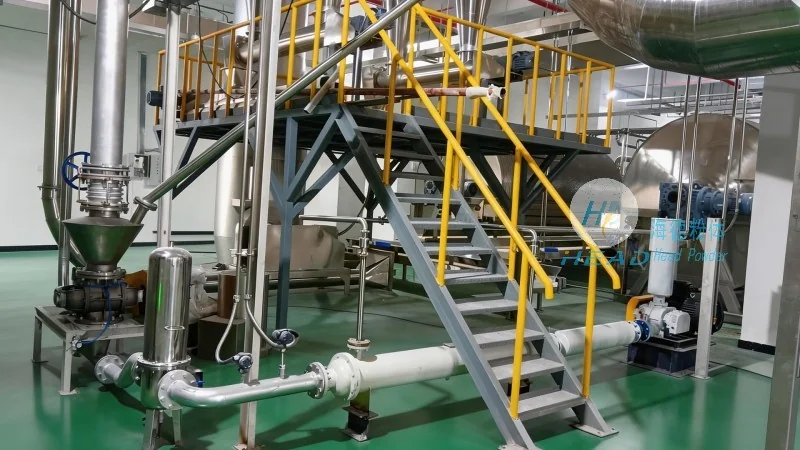
Positive pressure conveying, also known as pressure pneumatic conveying, operates by blowing air or other gas into the conveying line under pressure. This method forces the material to move through the system. For nickel powder, this approach is often preferred when dealing with abrasive or corrosive materials, as it can handle higher material loads and maintain a consistent flow. The system typically includes a blower or compressor that generates the necessary pressure to push the powder through the pipeline. This method is particularly effective for long-distance or high-capacity applications, as it can maintain a stable flow rate even with varying material conditions.
Exploring Negative Pressure Conveying for Nickel Powder
Negative pressure conveying, or vacuum pneumatic conveying, works by creating a vacuum in the conveying line, which draws the material into the system. This method is often used for shorter distances or when the material is more sensitive to pressure changes. The system uses a vacuum pump to create the negative pressure, and the material is drawn into the pipeline due to the pressure differential. Unlike positive pressure systems, negative pressure conveying is generally less suitable for abrasive materials, as the vacuum can cause more wear on the system components. However, it is effective for handling fine powders that might be prone to clogging or for applications where the material needs to be transported from a higher elevation to a lower one.
Distinguishing Between Positive and Negative Pressure Conveying
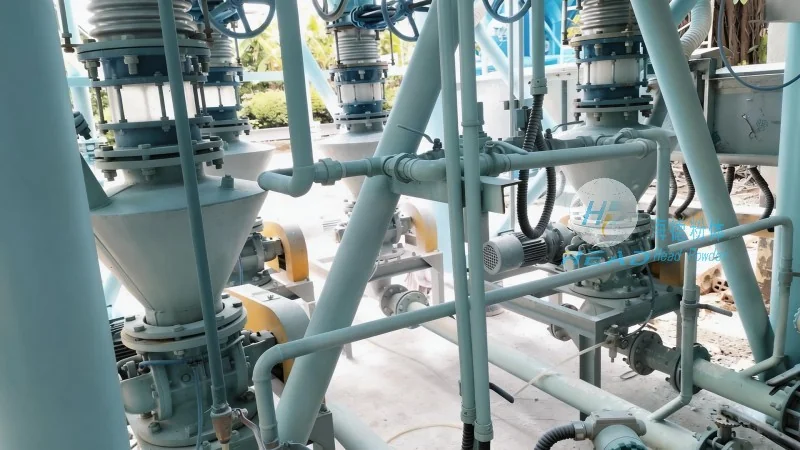
The key to distinguishing between positive and negative pressure conveying lies in the pressure dynamics and the direction of material movement. Positive pressure systems rely on external pressure to push the material, while negative pressure systems rely on suction to draw the material. Several factors can help in making the right choice:
First, consider the material characteristics. If the nickel powder is abrasive or has high moisture content, positive pressure conveying may be more suitable due to its ability to handle higher pressures and maintain flow stability. Conversely, if the powder is fine and prone to clogging, negative pressure conveying might be preferred as it reduces the risk of blockages by using suction rather than pressure.
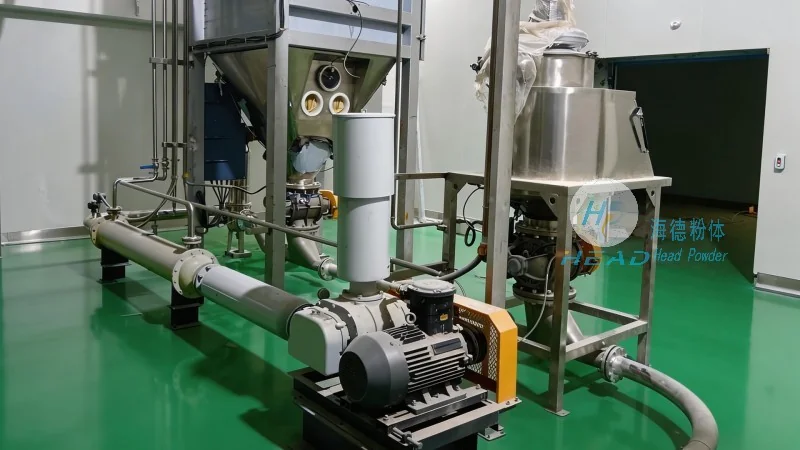
Second, evaluate the distance and elevation changes. Positive pressure systems are generally better for longer distances or when the material needs to be transported over significant vertical or horizontal distances. Negative pressure systems are more effective for shorter runs or when the material is being moved from a higher to a lower level, as the vacuum helps to pull the material down.
Third, assess the system complexity and maintenance requirements. Positive pressure systems often require more robust components, such as high-pressure blowers, which may need more frequent maintenance. Negative pressure systems, while simpler in design, may have higher energy consumption due to the continuous operation of the vacuum pump.
Conclusion
Choosing between positive pressure and negative pressure conveying for nickel powder depends on a variety of factors, including material properties, distance, and operational requirements. By carefully evaluating these factors, one can select the most appropriate conveying method to ensure efficient and safe material transport. Whether opting for positive pressure to handle abrasive materials or negative pressure for fine powders, understanding the underlying principles and system characteristics is essential for successful implementation.
Shandong HeadPowder Engineering Co., Ltd., a leading provider in the field, specializes in designing and manufacturing customized conveying solutions tailored to the unique needs of nickel powder handling. With years of experience and a commitment to quality, HeadPowder offers advanced systems that ensure reliable and efficient material transport. Based in Shandong, China, the company leverages its expertise to deliver solutions that meet the highest standards of performance and safety. For more information on nickel powder conveying systems, contact HeadPowder Engineering Co., Ltd.




