For industries dealing with magnetic powders, understanding the technology behind magnetic powder pneumatic conveying is crucial. This method offers a reliable and efficient way to transport fine magnetic powders over long distances, and its design principles are tailored to meet specific operational needs. In this article, we explore the fundamentals of magnetic powder pneumatic conveying and delve into the key design principles that ensure optimal performance.
What is Magnetic Powder Pneumatic Conveying?
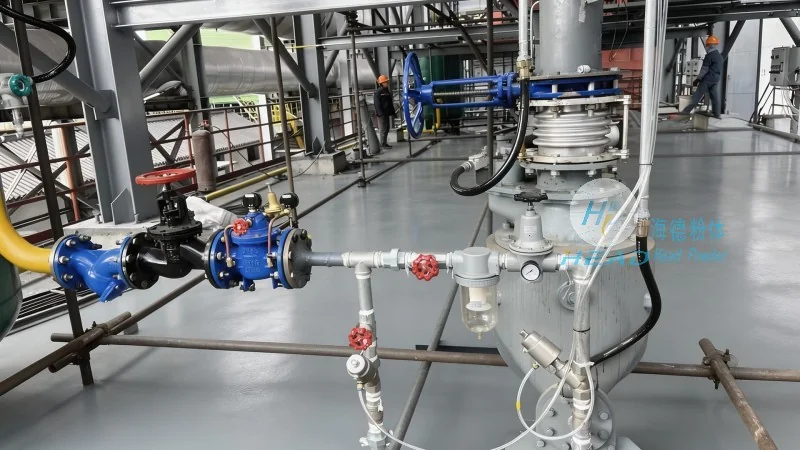
Magnetic powder pneumatic conveying is a specialized form of pneumatic conveying that utilizes magnetic powders as the conveying medium or as part of the system to enhance the transport of other materials. The process involves using compressed air to move magnetic powders through a pipeline, often in conjunction with other materials that are attracted to the magnetic field. This technique is particularly useful for handling fine, abrasive, or sensitive magnetic powders that require gentle handling and minimal degradation.
The system typically consists of a hopper, a feeder, a pipeline, and a receiver. The magnetic powders are fed into the pipeline using a controlled feeder, and compressed air is introduced to create a flow that propels the powders through the system. The magnetic properties of the powders help maintain a stable flow and prevent clogging, making it an ideal solution for applications where traditional pneumatic conveying may struggle with fine particles.
The Core Design Principles of Magnetic Powder Pneumatic Conveying
The design of a magnetic powder pneumatic conveying system is governed by several critical principles aimed at ensuring efficiency, reliability, and safety. These principles include considerations for material properties, system pressure, flow rates, and the overall layout of the conveying line.
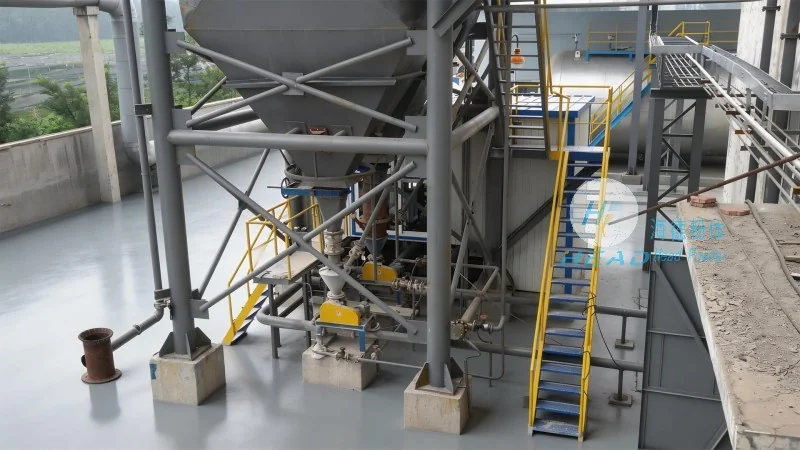
First, the selection of the magnetic powder is a key design factor. The magnetic properties, such as magnetic susceptibility and particle size, directly impact the system's performance. For instance, using a high-quality magnetic powder with uniform particle size ensures consistent flow and reduces the risk of blockages. The powder's density and flowability also play a role in determining the appropriate air velocity and pressure required for effective transport.
Second, the system pressure is a critical design parameter. The pressure must be sufficient to overcome the resistance in the pipeline and maintain a stable flow of the magnetic powders. Typically, pressures range from 0.5 to 2 bar, depending on the distance and the characteristics of the material being conveyed. Higher pressures are used for longer distances or when dealing with more viscous materials, while lower pressures are suitable for shorter runs and less abrasive powders.
Third, the air velocity and flow rate are carefully calculated to prevent particle separation and ensure uniform transport. The velocity must be high enough to keep the powders in suspension but not so high as to cause excessive wear on the system components. The flow rate is determined based on the required throughput and the characteristics of the material, ensuring that the system operates within its optimal range.
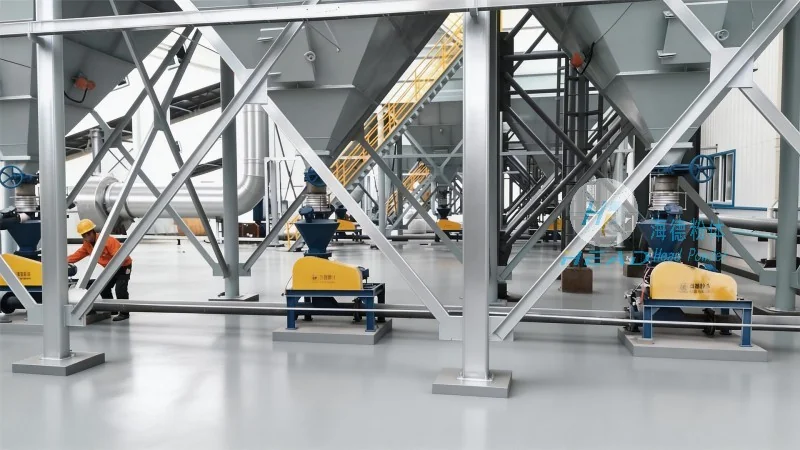
Fourth, the pipeline design is another important aspect. The pipeline diameter and length are chosen to minimize pressure drop and maintain a consistent flow. The use of smooth, corrosion-resistant materials, such as stainless steel or PTFE-lined pipes, is essential to prevent particle buildup and ensure long-term system performance. Additionally, the inclusion of magnetic separators or filters may be necessary to remove any non-magnetic contaminants from the system.
Fifth, the system layout and integration with other equipment are considered during the design phase. The placement of hoppers, feeders, and receivers is optimized to minimize the number of bends and changes in direction, which can cause pressure losses and particle separation. The integration with other processes, such as mixing or processing, is also taken into account to ensure seamless operation and efficient material handling.
Applications and Benefits of Magnetic Powder Pneumatic Conveying
Magnetic powder pneumatic conveying is widely used in various industries, including pharmaceuticals, food processing, and chemical manufacturing. The benefits of this technology include gentle handling of sensitive materials, reduced product degradation, and improved safety due to the enclosed system. Additionally, the system is highly flexible and can be easily scaled to accommodate varying production needs.
In the pharmaceutical industry, for example, magnetic powder pneumatic conveying is used to transport fine powders of active pharmaceutical ingredients (APIs) and excipients. The enclosed system prevents contamination and ensures that the powders remain sterile, which is critical for meeting regulatory requirements. In the food industry, the technology is used to transport spices, flavorings, and other fine ingredients, maintaining their quality and preventing cross-contamination.
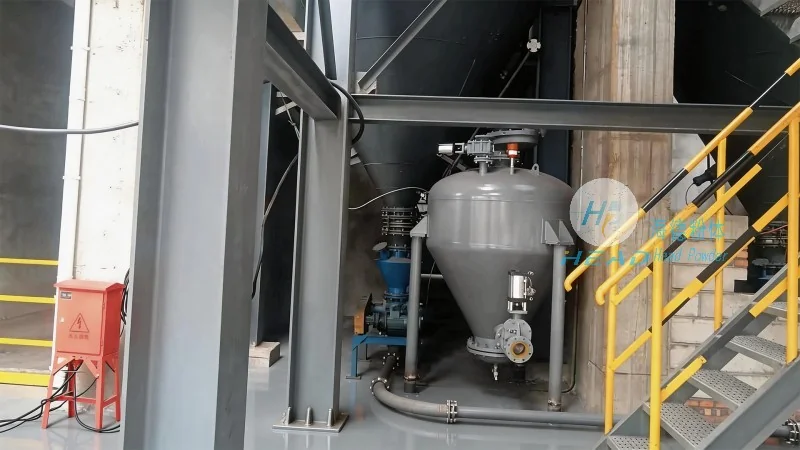
For chemical manufacturers, magnetic powder pneumatic conveying offers a reliable way to handle abrasive and corrosive powders, such as metal powders and catalysts. The system's ability to maintain a stable flow and prevent clogging makes it ideal for continuous production processes. Furthermore, the use of magnetic powders can enhance the mixing and blending of materials, improving the overall quality of the final product.
Conclusion
Magnetic powder pneumatic conveying is a sophisticated and effective method for transporting fine magnetic powders. Its design principles, which focus on material properties, system pressure, flow rates, and pipeline design, ensure optimal performance and reliability. By understanding these principles and selecting the appropriate components, industries can achieve efficient and safe material handling, leading to improved productivity and product quality.
Shandong HeadPowder Engineering Co., Ltd., a leading provider of magnetic powder conveying solutions, specializes in designing and manufacturing customized magnetic powder pneumatic conveying systems. With years of experience and a commitment to quality, HeadPowder offers tailored solutions that meet the specific needs of various industries. The company's expertise in material handling and system design ensures that clients receive reliable and efficient equipment that enhances their operational capabilities.




