HeadPowder, a leading provider in the field of chemical processing equipment, specializes in advanced solutions for the handling and transportation of sodium dithionite. This article delves into the concept of sodium dithionite pneumatic conveying and explains the fundamental design principles that underpin this technology.
Introduction to Sodium Dithionite Pneumatic Conveying
Sodium dithionite, also known as hydrosulfite, is a white crystalline powder widely used in various industrial applications, including the textile, food, and chemical industries. Its handling and transportation require specialized equipment to ensure safety, efficiency, and product integrity. Pneumatic conveying is a method that uses compressed air or other gases to transport bulk materials like sodium dithionite from one location to another. This technique offers several advantages over traditional mechanical conveying systems, such as reduced dust generation, improved safety, and the ability to handle materials in a closed system.
Key Design Principles of Pneumatic Conveying Systems
The design of a pneumatic conveying system for sodium dithionite involves several critical principles that ensure optimal performance and reliability. These principles include the selection of appropriate air velocity, the configuration of the conveying line, and the use of suitable components like hoppers, cyclones, and filters. The air velocity must be carefully controlled to prevent material degradation and ensure efficient transport. The conveying line design considers factors such as the length and elevation changes, as well as the material's flow properties. Additionally, the system incorporates features to manage pressure, temperature, and moisture, which are crucial for maintaining the quality of sodium dithionite during transport.
Components and Their Roles in the Conveying System
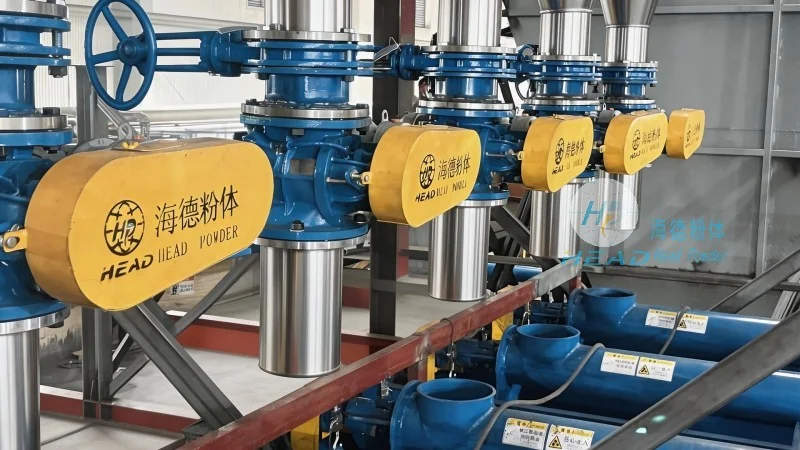
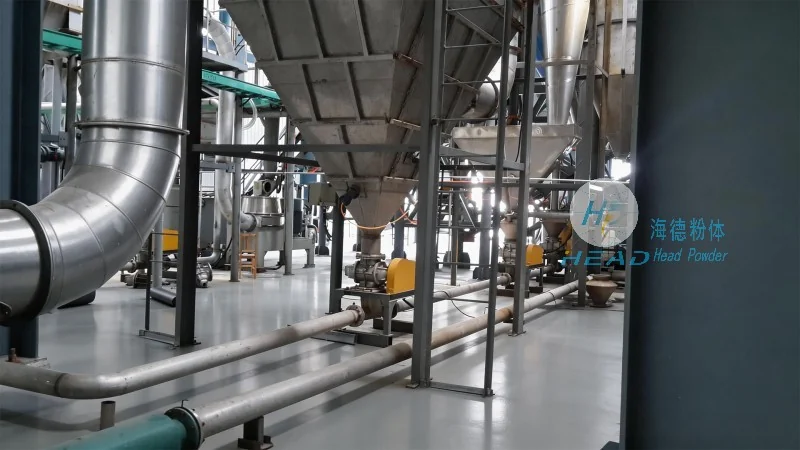
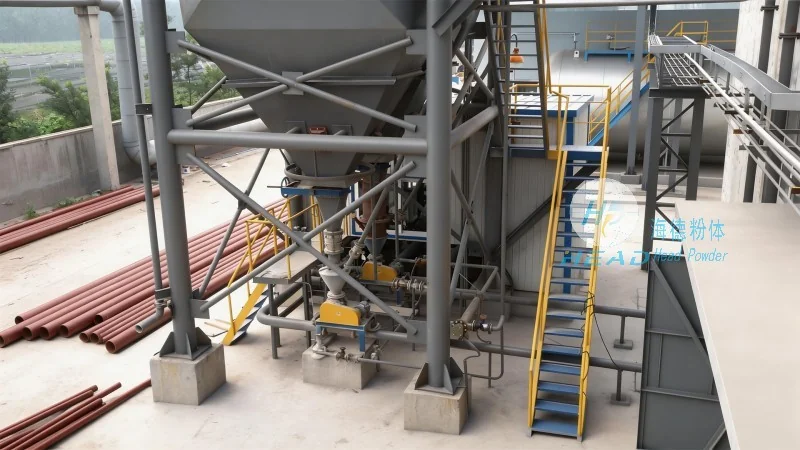
A typical pneumatic conveying system for sodium dithionite consists of several key components. The hopper serves as the storage and feeding unit, ensuring a consistent supply of material to the system. The feeder, often a rotary valve or a screw feeder, regulates the flow of sodium dithionite into the conveying line. The air compressor or blower provides the necessary pressure to move the material through the pipeline. The conveying line itself is made of materials resistant to corrosion and abrasion, suitable for handling sodium dithionite. The system may also include a cyclone separator, which separates the material from the air stream, and a filter to capture any fine particles and prevent contamination. These components work in tandem to ensure the smooth and efficient operation of the pneumatic conveying system.
Advantages of Pneumatic Conveying for Sodium Dithionite
Pneumatic conveying offers numerous benefits when applied to the transportation of sodium dithionite. One of the primary advantages is the ability to handle the material in a closed system, which minimizes dust exposure and improves workplace safety. This is particularly important for sodium dithionite, as it can be a respiratory irritant if inhaled. Additionally, the system reduces the risk of product contamination from external sources, maintaining the purity of the material. The closed system also helps in controlling moisture and temperature, which are critical factors for preserving the quality of sodium dithionite. Furthermore, pneumatic conveying systems can be designed to handle varying material flow rates and can be integrated with other processing equipment, enhancing overall operational efficiency.
Considerations for System Design and Installation
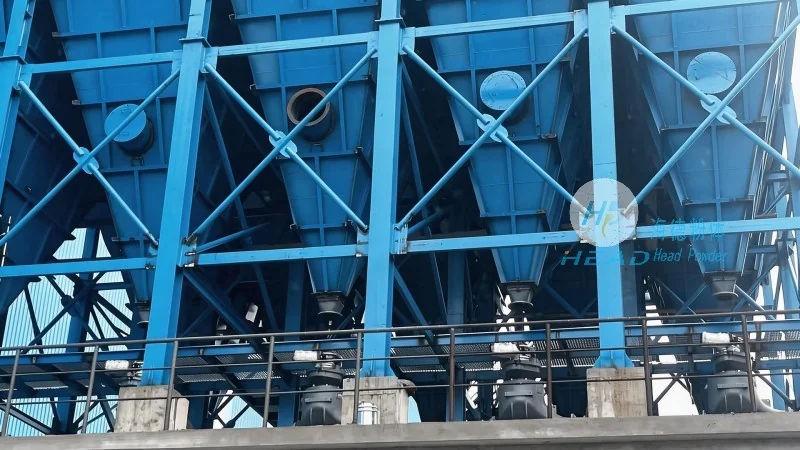
When designing and installing a pneumatic conveying system for sodium dithionite, several factors must be considered to ensure optimal performance and longevity. The system must be constructed from materials that are compatible with sodium dithionite, such as stainless steel or special alloys, to prevent corrosion. The design must account for the material's flow characteristics, including its bulk density and angle of repose, to avoid blockages or uneven flow. The air velocity must be optimized to prevent material degradation and ensure efficient transport. Additionally, the system should include safety features, such as pressure relief valves and emergency shut-off mechanisms, to protect against overpressure or other hazards. Proper maintenance and regular inspections are also essential to ensure the system operates reliably and meets safety standards.
Conclusion
Sodium dithionite pneumatic conveying is a sophisticated and effective method for transporting this critical chemical. By understanding the design principles and components involved, industries can implement systems that enhance safety, efficiency, and product quality. HeadPowder, with its expertise in chemical processing equipment, provides tailored solutions that meet the specific needs of clients, ensuring reliable and cost-effective transportation of sodium dithionite. The combination of advanced design and careful consideration of material properties makes pneumatic conveying an ideal choice for handling sodium dithionite in various industrial applications.




