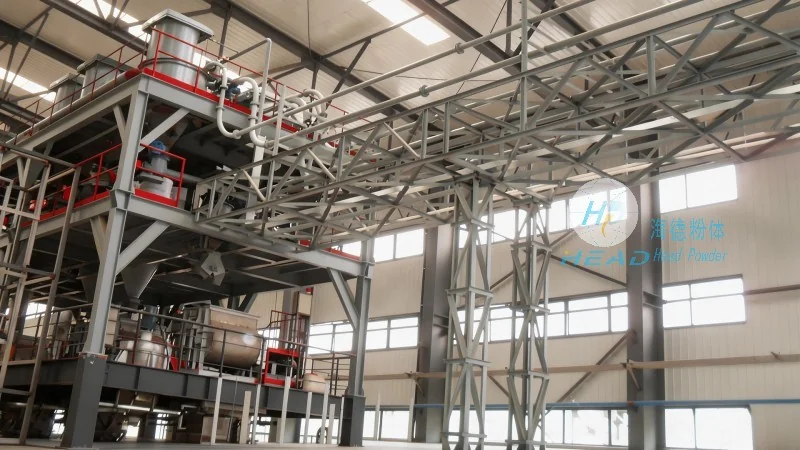
Slag pneumatic conveying is a specialized method used in industrial settings to transport solid materials, particularly slag, through a pipeline using a stream of air or gas. This technology offers an efficient and flexible solution for handling bulk materials, ensuring safe and reliable material transfer from one location to another. Understanding the fundamentals of slag pneumatic conveying, including its design principles, is crucial for optimizing material handling processes in various industrial applications.
Introduction to Slag Pneumatic Conveying
Slag, a byproduct of metal smelting processes, often requires specialized handling due to its abrasive and sometimes hazardous nature. Traditional methods like belt conveyors or bucket elevators may not be suitable for transporting slag efficiently, especially over long distances or in complex layouts. Pneumatic conveying systems provide an alternative that minimizes wear and tear on equipment while ensuring consistent material flow. The core of this technology lies in the use of air pressure to move particles through a sealed pipeline, offering advantages such as reduced dust generation and improved safety compared to other bulk material handling methods.
About HeadPowder: Your Partner in Industrial Solutions
HeadPowder, a leading engineering company based in Shandong, China, specializes in the design, manufacturing, and installation of advanced pneumatic conveying systems. With a strong commitment to quality and innovation, HeadPowder has established itself as a trusted provider of industrial solutions tailored to the needs of various sectors, including metallurgy, construction, and chemical industries. The company’s headquarters is located in Shandong, China, where it leverages local expertise and resources to deliver customized solutions that meet the highest standards of performance and reliability.
Design Principles of Slag Pneumatic Conveying Systems
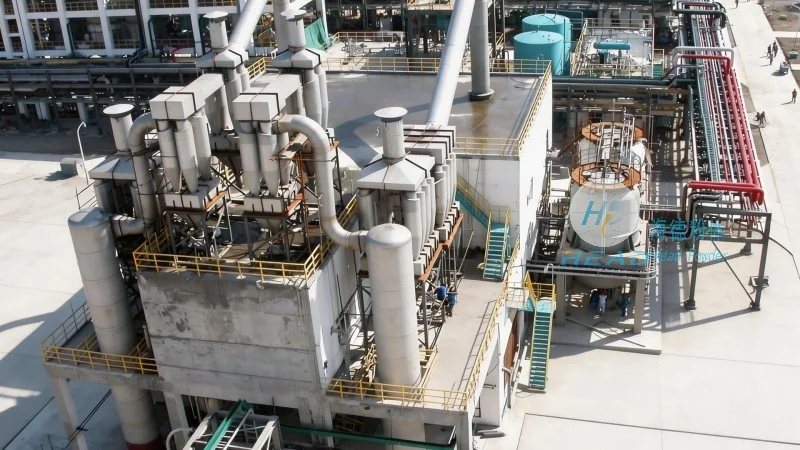
The design of a slag pneumatic conveying system involves several critical components and principles that ensure optimal performance. The primary design considerations include the material characteristics of the slag, such as particle size, density, and abrasiveness, as well as the required conveying distance and throughput. A well-designed system typically consists of a material feed hopper, a conveyor pipeline, a pressure vessel or receiver, and a control system. The air velocity within the pipeline is a key parameter, as it must be sufficient to lift and transport the slag particles while minimizing pressure drop and energy consumption. The system may use either positive pressure (where air is blown into the pipeline) or negative pressure (where air is sucked out), depending on the specific application and material properties. Additionally, the selection of appropriate pipeline materials, such as stainless steel or high-grade alloys, is essential to withstand the corrosive and abrasive nature of slag, ensuring long-term durability and minimal maintenance.
Key Components and Their Functions
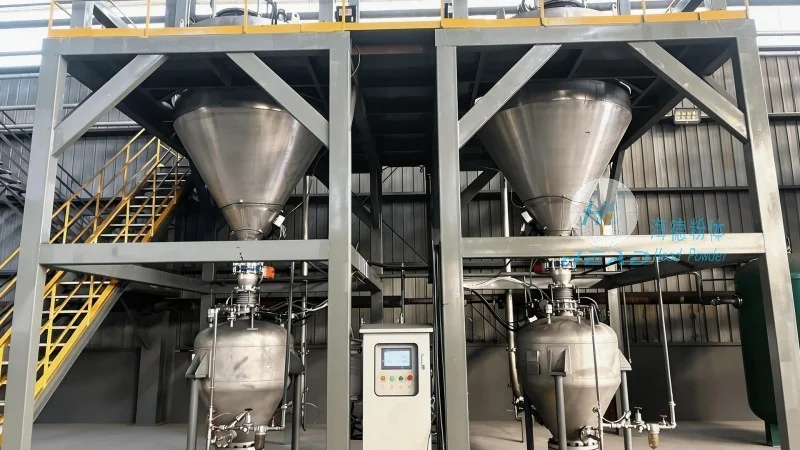
Several key components work together to ensure the smooth operation of a slag pneumatic conveying system. The material feed hopper is responsible for storing and feeding the slag into the system, often equipped with a rotary valve or feeder to control the flow rate. The conveyor pipeline, usually made of robust materials like stainless steel, transports the material from the feed point to the destination. The pressure vessel or receiver collects the conveyed material and may include features like a dust filter or cyclone separator to remove any entrained air or fine particles. The control system monitors and regulates the air pressure, flow rate, and other parameters to maintain consistent performance and prevent system failures. Each component is carefully designed and integrated to ensure that the system operates efficiently and reliably, minimizing downtime and maximizing productivity.
Advantages of Slag Pneumatic Conveying
Compared to traditional bulk material handling methods, slag pneumatic conveying offers several advantages that make it an attractive choice for industrial applications. One of the primary benefits is the ability to transport materials over long distances without the need for multiple transfer points or intermediate storage. This reduces the overall footprint of the material handling system and minimizes the risk of material spillage or contamination. Additionally, pneumatic conveying systems are more flexible in terms of layout, as they can be installed in various configurations, including vertical, horizontal, or a combination of both, to suit the specific needs of the facility. The sealed pipeline design also helps to contain dust and prevent environmental contamination, enhancing workplace safety and compliance with environmental regulations. Furthermore, the system can be easily integrated with other industrial processes, such as material processing or storage, to create a seamless workflow. Overall, slag pneumatic conveying provides a cost-effective and efficient solution for handling slag and other similar materials, contributing to improved operational efficiency and reduced maintenance costs.




