Weighing and feeding material conveying equipment is a critical component in various industrial sectors, including mining, construction, and manufacturing. These systems are designed to handle bulk materials efficiently, ensuring precise weight measurement and controlled feeding rates. The proper operation of such equipment is essential for maintaining production efficiency, product quality, and safety standards. This article provides a detailed overview of the operation process and working principles of these devices, highlighting their key components, functional mechanisms, and practical applications. Manufactured by Shandong HeadPowder Engineering Co., Ltd., based in Shandong, China, these systems are engineered to meet the demands of modern industrial processes.
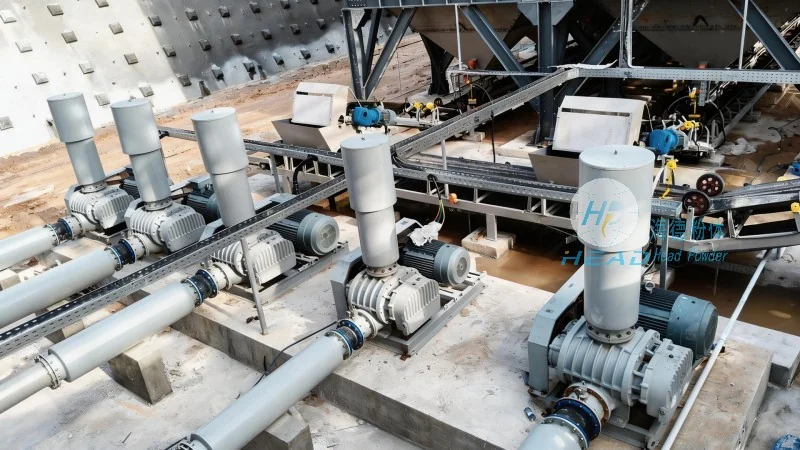
Key Components of Weighing and Feeding Systems
The performance of weighing and feeding material conveying equipment relies on several interconnected components. The primary elements include the conveyor system, weighing sensors, control units, and feeding mechanisms. The conveyor system transports the bulk material from the source to the weighing point. Weighing sensors, such as load cells or strain gauges, are integrated into the conveyor or hopper to measure the weight of the material. Control units process the sensor data and adjust the feeding rate accordingly. Feeding mechanisms, like screw feeders or belt feeders, regulate the flow of material into the processing line. Each component plays a vital role in ensuring the system operates accurately and reliably.
Operation Process of Weighing and Feeding Equipment
The operation process of weighing and feeding material conveying equipment typically involves several sequential steps. First, the bulk material is loaded into the hopper or storage bin. The conveyor then transports the material to the weighing area. The weighing sensors detect the weight of the material in real-time. The control unit processes this data and calculates the required feeding rate. The feeding mechanism adjusts its speed or position to deliver the precise amount of material as per the set parameters. This closed-loop system ensures continuous and accurate material flow. The process is automated, reducing human intervention and minimizing errors. The equipment can be programmed to handle different material types and production demands, making it versatile for various industrial applications.
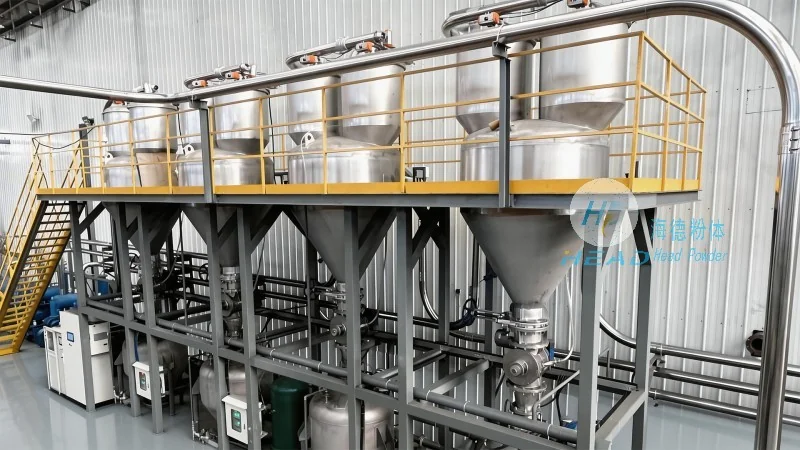
Working Principle of the Weighing and Feeding Mechanism
The working principle of weighing and feeding material conveying equipment is based on the principles of mass measurement and flow control. The weighing sensors convert the force exerted by the material into an electrical signal. This signal is transmitted to the control unit, which converts it into a weight reading. The control unit compares the actual weight with the target weight and adjusts the feeding rate to achieve the desired output. For example, in a batching process, the system stops feeding once the target weight is reached. The feeding mechanism may use variable speed drives or adjustable feed rates to maintain the correct flow. The integration of sensors and control systems allows for real-time monitoring and adjustment, ensuring the material is delivered at the optimal rate. This principle is crucial for applications where precise material measurement is critical, such as in chemical processing, food production, and pharmaceutical manufacturing.
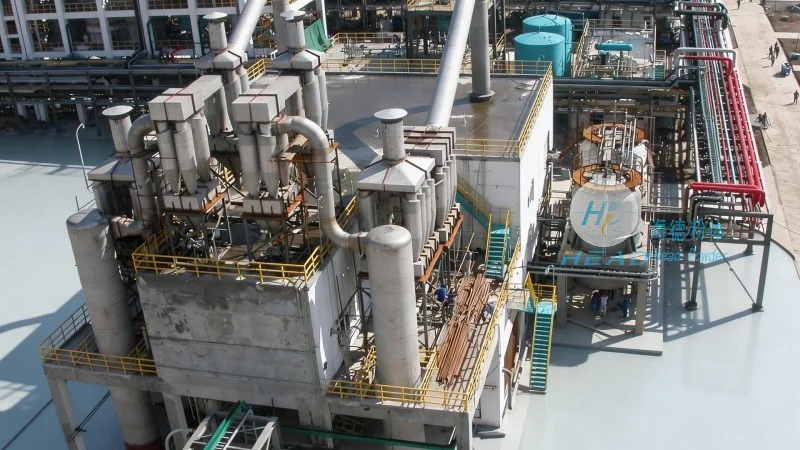
Applications and Benefits of Weighing and Feeding Systems
Weighing and feeding material conveying equipment is widely used in industries where bulk material handling is essential. In the mining industry, these systems are used to transport and weigh ore, ensuring efficient extraction and processing. In the construction sector, they help manage raw materials like sand, gravel, and cement, improving production efficiency. The manufacturing industry benefits from precise feeding for processes like mixing, blending, and batching. The key benefits of these systems include improved accuracy in material measurement, reduced waste, enhanced production speed, and increased safety. By automating the feeding process, the equipment minimizes human error and labor costs. Additionally, the closed-loop control system allows for consistent product quality, which is vital for meeting industry standards and customer expectations.
Maintenance and Operational Considerations
Proper maintenance is essential to ensure the reliable operation of weighing and feeding material conveying equipment. Regular checks of weighing sensors, conveyor belts, and feeding mechanisms are necessary to detect and address issues early. Calibration of the weighing system is crucial to maintain accuracy over time. The equipment should be cleaned regularly to prevent material buildup, which can affect performance. Operational considerations include monitoring the system's performance metrics, such as feeding rate and weight accuracy, to identify any deviations. Training operators on the proper use and maintenance of the equipment is also important. By following these guidelines, the equipment can operate efficiently and provide consistent results. Regular maintenance not only extends the equipment's lifespan but also reduces downtime and maintenance costs.




