

What is a Negative Pressure Dilute Phase Pneumatic Conveyor? Understanding Its Design Principles
For industries dealing with bulk material handling, selecting the right pneumatic conveying system is crucial for efficiency and reliability. Among the various types available, the negative pressure dilute phase pneumatic conveyor stands out as a versatile solution for transporting dry, free-flowing materials over moderate distances. This article explores the fundamental aspects of this technology, focusing on its operational principles and design considerations.
Introduction to Negative Pressure Dilute Phase Conveying
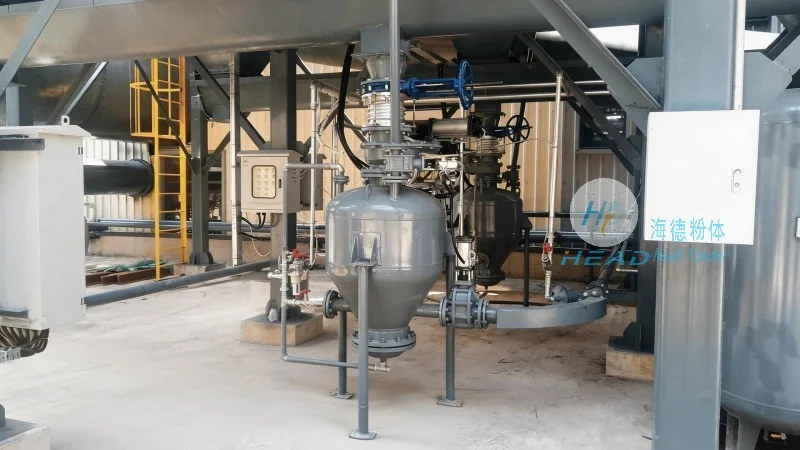
A negative pressure dilute phase pneumatic conveyor operates by creating a vacuum in the conveying line to draw material from the source and transport it to the destination. Unlike positive pressure systems that push air and material through the line, negative pressure systems use suction to move the material, which can be advantageous in applications where dust control and material containment are critical. The "dilute phase" refers to the low concentration of material suspended in the air stream, typically ranging from 1 to 10 grams per cubic meter, ensuring smooth and efficient flow.
Key Components of a Negative Pressure Dilute Phase System
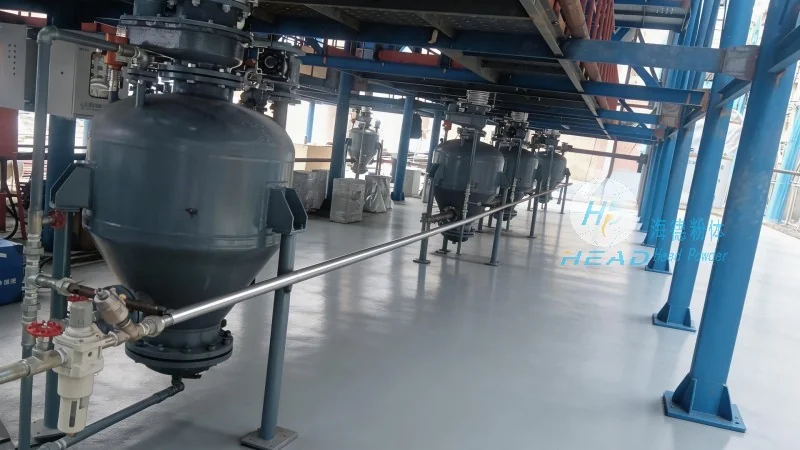
The design of a negative pressure dilute phase pneumatic conveyor involves several key components that work in tandem to achieve effective material transport. These components include the material feed hopper, the vacuum pump or fan, the conveying line, the material separator or cyclone, and the discharge hopper. The material feed hopper is responsible for feeding the material into the system, often equipped with a feeder such as a rotary valve or a screw feeder to regulate the flow rate. The vacuum pump or fan generates the negative pressure required to draw the material from the hopper and through the conveying line. The conveying line, usually made of stainless steel or other corrosion-resistant materials, is designed to withstand the vacuum conditions and the abrasive nature of the material being transported. The material separator or cyclone is used to separate the material from the air stream at the destination, allowing the air to be recirculated or vented while the material is collected in the discharge hopper.
Design Principles and Operational Considerations
The design of a negative pressure dilute phase system is based on several key principles to ensure optimal performance. First, the system must be sized appropriately to handle the required material flow rate and the distance between the source and destination. The vacuum pump or fan must be capable of generating sufficient pressure to overcome the resistance in the conveying line, including friction losses and elevation changes. The material feed rate is critical, as it must be controlled to maintain a consistent material concentration in the air stream, preventing clogging or excessive pressure drops. Additionally, the system must be equipped with proper dust collection and filtration to comply with environmental regulations and maintain air quality. The choice of materials for the components, such as the conveying line and the separator, is also important to ensure durability and resistance to corrosion from the material being transported.
Applications and Advantages of Negative Pressure Dilute Phase Conveying
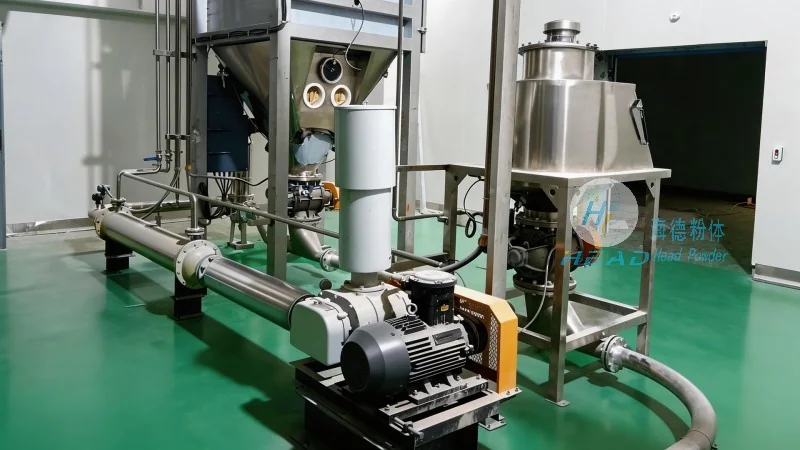
Negative pressure dilute phase pneumatic conveyors are widely used in various industries, including food processing, pharmaceuticals, chemicals, and minerals. They are particularly suitable for transporting materials that are sensitive to contamination or require a clean environment, such as powders, granules, and fine particles. The advantages of this system include its ability to handle long distances, its low maintenance requirements, and its effectiveness in controlling dust and material spillage. Unlike other conveying methods, such as belt conveyors or bucket elevators, pneumatic conveyors can transport materials through vertical and horizontal paths without the need for complex infrastructure. The negative pressure system also provides better material containment, reducing the risk of dust emissions and improving workplace safety.
Conclusion and Company Overview
In conclusion, the negative pressure dilute phase pneumatic conveyor is a reliable and efficient solution for bulk material handling, offering a versatile and flexible approach to transporting dry, free-flowing materials. Its design principles, based on vacuum technology and low material concentration, make it suitable for a wide range of applications. As a leading provider in the industry, Shandong HeadPowder Engineering Co., Ltd. specializes in designing and manufacturing high-quality negative pressure dilute phase systems tailored to meet the specific needs of various industries. With a focus on quality, durability, and performance, HeadPowder delivers solutions that enhance operational efficiency and ensure compliance with industry standards. Based in Shandong, China, HeadPowder serves clients worldwide, providing expert consultation and support to help them achieve their material handling goals.