HeadPowder, a leading manufacturer based in Shandong, China, specializes in the design, development, and production of advanced vacuum material feeding and conveying equipment. This equipment is widely used in various industrial sectors, including pharmaceuticals, food processing, chemical manufacturing, and more, to efficiently handle bulk materials with precision and reliability.
Overview of Vacuum Material Feeding and Conveying Equipment
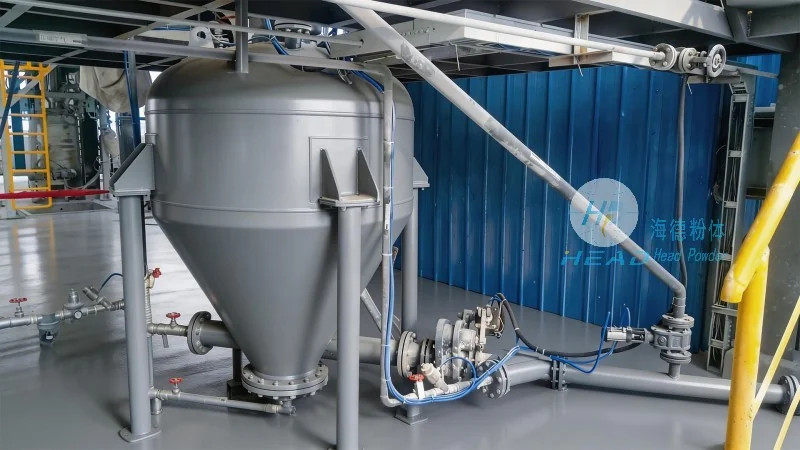
Vacuum material feeding and conveying systems are engineered to transport dry powders, granules, and other bulk materials from a source to a destination using a vacuum-driven mechanism. The core principle involves creating a pressure differential between the material source and the receiving point, enabling the material to be drawn or pushed through a sealed pipeline. These systems are known for their ability to handle materials that are difficult to convey using traditional methods, such as those with high dust content, low flowability, or sensitivity to moisture.
The Company: Shandong HeadPowder Engineering Co., Ltd.
HeadPowder, the brand under Shandong HeadPowder Engineering Co., Ltd., is dedicated to delivering high-quality vacuum feeding and conveying solutions. With a strong commitment to innovation and customer satisfaction, the company has established itself as a trusted partner in the industry. HeadPowder's products are designed to meet the specific needs of different applications, ensuring optimal performance and durability. The company's headquarters is located in Shandong, China, where it maintains state-of-the-art manufacturing facilities and a team of experienced engineers.
Key Components of Vacuum Material Feeding Systems
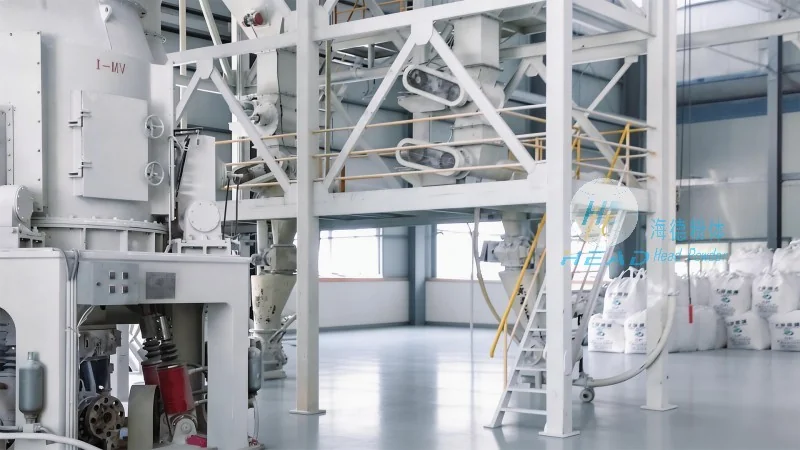
A typical vacuum material feeding system consists of several key components that work in tandem to ensure smooth operation. These components include the vacuum pump, which generates the necessary suction force; the material hopper or feeder, which holds the bulk material; the conveying pipeline, which transports the material; and the control system, which regulates the entire process. Each component plays a critical role in maintaining the efficiency and safety of the system.
The Operation Process: Step-by-Step Explanation
The operation of a vacuum material feeding and conveying system involves a series of coordinated steps. First, the bulk material is loaded into the material hopper. The vacuum pump is then activated, creating a negative pressure within the system. This pressure differential draws the material from the hopper through the conveying pipeline and delivers it to the desired destination. The process continues until the material is fully transferred, with the control system monitoring and adjusting the flow rate as needed. The entire operation is designed to be efficient, with minimal material loss and maximum throughput.
Working Principle: How Vacuum Conveying Works
The working principle of vacuum material feeding and conveying is based on the fundamental laws of fluid dynamics and pressure. When the vacuum pump operates, it reduces the pressure inside the conveying pipeline below the atmospheric pressure. This creates a pressure differential that pulls the material particles into the pipeline. The material is then carried along by the airflow generated by the pump, moving from the source to the destination. The system is sealed to prevent dust emissions and maintain material integrity. The design of the pipeline and the speed of the airflow are critical factors that determine the efficiency and effectiveness of the conveying process.
Advantages of Vacuum Material Feeding and Conveying
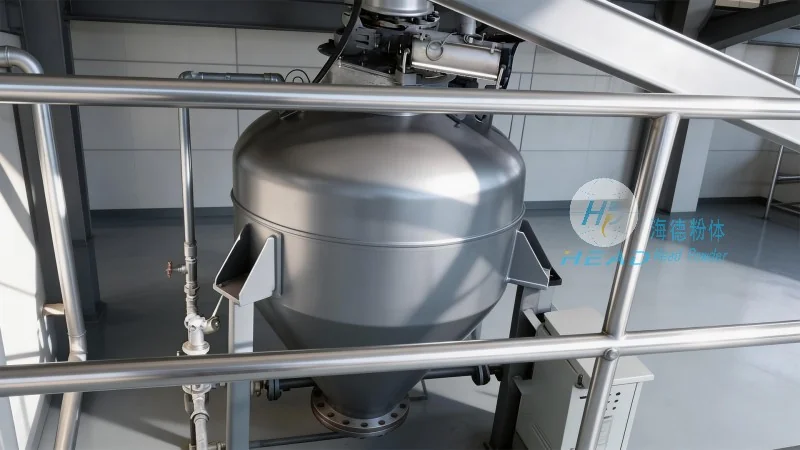
Vacuum material feeding and conveying systems offer several advantages over traditional methods. These include the ability to handle materials with high dust content, which reduces the risk of contamination and improves workplace safety. The sealed system also prevents material loss and cross-contamination, which is particularly important in industries such as pharmaceuticals and food processing. Additionally, vacuum systems are energy-efficient and can be easily integrated into existing production lines, providing a cost-effective solution for material handling needs.
Applications and Industries
Vacuum material feeding and conveying equipment is used in a wide range of industries and applications. In the pharmaceutical industry, these systems are used to handle active pharmaceutical ingredients (APIs) and other sensitive materials, ensuring that they are transported without degradation or contamination. In the food processing industry, vacuum systems are used to convey ingredients such as flour, sugar, and spices, maintaining their quality and freshness. The chemical manufacturing industry also benefits from vacuum conveying, as it allows for the safe and efficient handling of hazardous materials. Other applications include the handling of powders in the cosmetics, agriculture, and mining sectors.
Maintenance and Safety Considerations
To ensure the long-term performance and safety of vacuum material feeding systems, regular maintenance is essential. This includes checking the vacuum pump for proper operation, inspecting the conveying pipeline for blockages or leaks, and cleaning the material hopper and feeder to prevent material buildup. Safety considerations are also critical, as vacuum systems can pose risks such as dust explosions or electrical hazards. Proper training for operators and the implementation of safety protocols are necessary to mitigate these risks and ensure the safe operation of the equipment.




