HeadPowder, a leading manufacturer based in Shandong, China, specializes in the design and production of advanced pneumatic conveying systems tailored for coke powder applications. This article provides a detailed overview of the operational process and underlying principles of coke powder pneumatic conveying machines, highlighting key components, the flow of material, and the mechanisms that ensure efficient and reliable transport. The company, known as HeadPowder, operates from its headquarters in Shandong, China, and has established itself as a trusted provider of high-quality pneumatic conveying solutions for industrial applications.
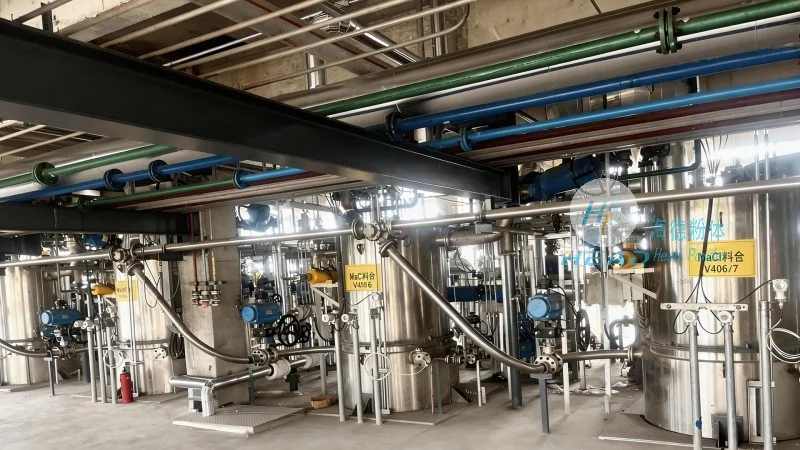
Key Components of the Pneumatic Conveying System
The coke powder pneumatic conveying machine consists of several critical components that work in concert to achieve effective material transport. These include the hopper for material storage, the air compressor or blower that generates the necessary air pressure, the pipeline system for conveying the material, and the control valves that regulate the flow. The hopper is typically made of durable materials such as stainless steel or carbon steel, designed to withstand the abrasive nature of coke powder and prevent material degradation. The air compressor or blower is responsible for creating the high-pressure air stream, with options including positive displacement blowers or centrifugal compressors, depending on the system's requirements. The pipeline system is constructed from materials like stainless steel or PVC, chosen for their resistance to corrosion and ability to handle the abrasive properties of coke powder. The control valves, such as rotary valves or gate valves, are used to regulate the flow of material and air, ensuring that the system operates at optimal efficiency and preventing overloading or underloading of the pipeline.
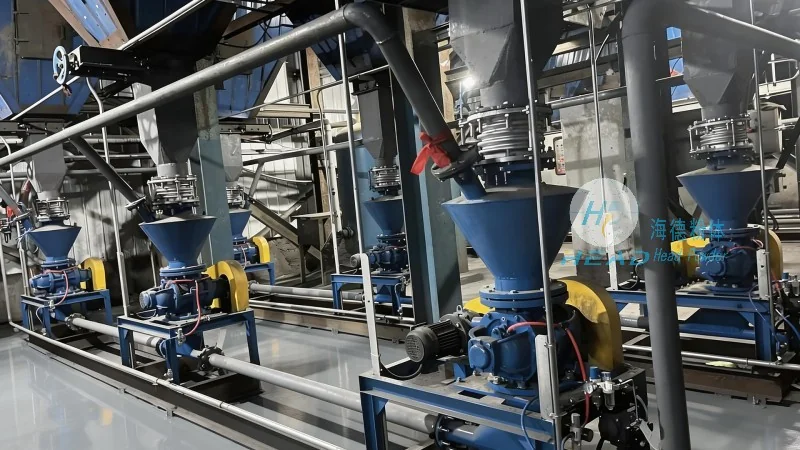
Working Principle of the Pneumatic Conveying Process
The operation of a coke powder pneumatic conveying machine is based on the principle of air movement to transport solid particles. When the system is activated, the air compressor or blower generates a high-pressure air stream. This air is then introduced into the pipeline, creating a flow that pulls the coke powder from the hopper into the system. The material is carried through the pipeline by the air current, with the velocity and pressure of the air being carefully controlled to prevent material deposition or blockages. The system may also incorporate features such as cyclones or filters to separate the material from the air at the discharge point, ensuring that the coke powder is delivered to the intended destination without loss or contamination. The air flow is maintained at a sufficient velocity to keep the powder suspended, and the pressure is adjusted to ensure that the material moves smoothly through the pipeline without causing excessive wear or damage to the system components.
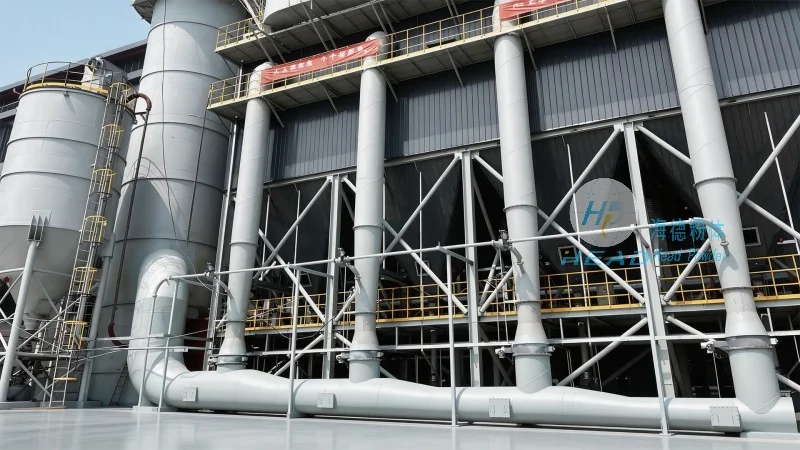
Step-by-Step Operation Process
The operation of the coke powder pneumatic conveying machine follows a systematic sequence of steps to ensure smooth and continuous material transport. First, the coke powder is loaded into the hopper, which serves as the initial storage container. The hopper is equipped with a feeding mechanism, such as a rotary valve or a gate, that controls the flow of material into the pipeline. Next, the air compressor or blower is activated, generating the required air pressure. The air is then introduced into the pipeline, creating a suction effect that draws the coke powder from the hopper. The material is carried through the pipeline by the air stream, with the velocity of the air being maintained at a level that prevents the powder from settling or clogging the system. At the discharge point, the system may use a cyclone separator or a filter to separate the coke powder from the air. The separated powder is then collected in a receiving container, while the air is either vented to the atmosphere or recirculated back into the system, depending on the design. The control valves are used to regulate the flow of material and air, ensuring that the system operates at optimal efficiency and preventing overloading or underloading of the pipeline. The entire process is typically automated, with sensors and control systems monitoring the flow rates and pressure to maintain consistent performance.
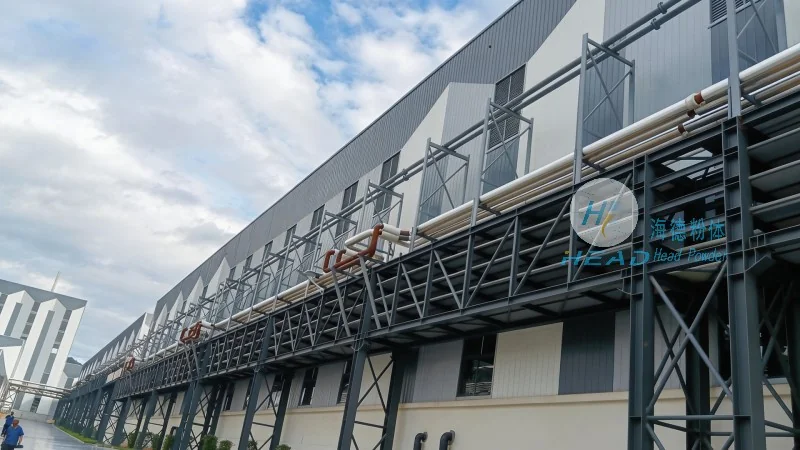
Advantages of Using a Coke Powder Pneumatic Conveying Machine
Implementing a coke powder pneumatic conveying machine offers several advantages over traditional material handling methods. These include reduced labor costs due to automated operation, improved safety by minimizing manual handling of the powder, and enhanced efficiency through continuous and unobstructed transport. The system also allows for the transport of materials over long distances without the need for intermediate storage or handling points, which can reduce overall production time and costs. Additionally, the pneumatic conveying system can be designed to handle varying particle sizes and moisture content, making it versatile for different coke powder applications. The use of a coke powder pneumatic conveying machine also contributes to a cleaner working environment, as the material is transported without the need for manual handling or open containers, reducing dust and potential health hazards. Furthermore, the system's ability to handle high volumes of material efficiently makes it suitable for large-scale industrial operations, where consistent and reliable transport is crucial for maintaining production schedules.




