HeadPowder, a leading manufacturer based in Shandong, China, specializes in the design and production of advanced material mixing pneumatic conveying machines. These systems are engineered to efficiently handle bulk materials, ensuring precise mixing and consistent flow in industrial applications. The operation process and working principle of such equipment are critical for optimizing material handling processes and enhancing overall production efficiency.
Key Components and Their Roles
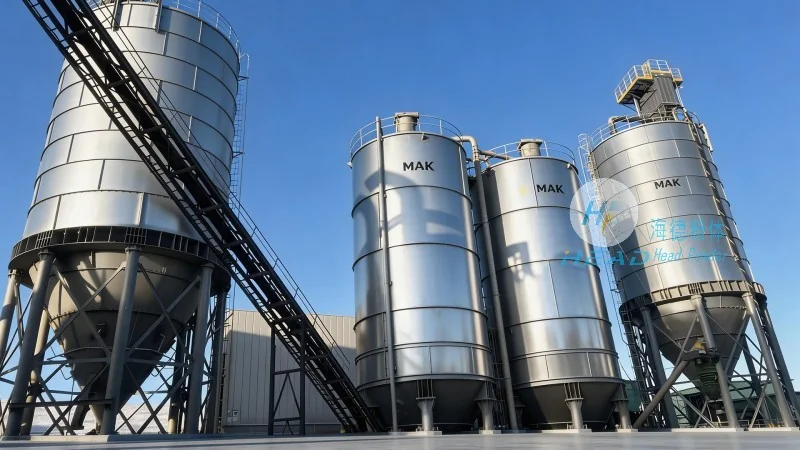
The material mixing pneumatic conveying machine typically consists of several key components that work in tandem to achieve effective material transport and mixing. The primary components include the hopper, where raw materials are stored; the conveying line, which may be a pipeline or a series of connected tubes; the air compressor or blower, responsible for generating the necessary air pressure; and the mixing chamber, where materials are combined. Each component plays a vital role in the overall functionality of the system. The hopper ensures a steady supply of material, while the conveying line facilitates the movement of materials through the system. The air compressor provides the force needed to move the material, and the mixing chamber ensures that different materials are thoroughly combined. The integration of these components allows for a seamless and efficient material handling process.
Operation Process: Step-by-Step Explanation
The operation of a material mixing pneumatic conveying machine involves a series of steps that ensure the smooth and efficient transport and mixing of materials. The process begins with the loading of raw materials into the hopper. Once the hopper is filled, the air compressor is activated, generating the necessary air pressure to initiate material movement. The air pressure forces the material from the hopper into the conveying line, where it is transported to the mixing chamber. In the mixing chamber, different materials are combined in the desired ratio, facilitated by the air flow and the design of the chamber. The mixed material is then conveyed to the discharge point, where it is collected for further processing. This step-by-step process ensures that the material is handled with precision and efficiency, minimizing downtime and maximizing productivity.
Working Principle: How It Works
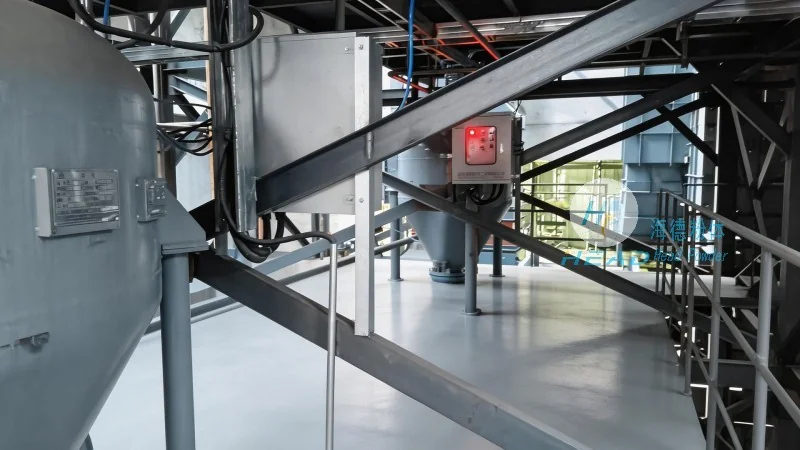
The working principle of a material mixing pneumatic conveying machine is based on the principles of pneumatic transport, where materials are transported using air as the conveying medium. The system operates by creating a pressure differential between the inlet and outlet of the conveying line. The air compressor generates high-pressure air, which is introduced into the conveying line at the inlet. As the air flows through the line, it carries the material particles along with it, moving them towards the outlet. The mixing chamber is designed to ensure that the materials are thoroughly mixed as they travel through the system. The air flow rate and pressure are carefully controlled to maintain the desired flow rate and mixing efficiency. The system is equipped with sensors and controls to monitor the pressure, flow rate, and material level, ensuring that the operation is optimized and any issues are detected promptly. This working principle allows for a flexible and reliable material handling solution that can be adapted to various industrial applications.
Benefits and Applications
Material mixing pneumatic conveying machines offer numerous benefits in industrial settings. They provide a dust-free and hygienic environment, which is particularly important in industries such as food processing and pharmaceuticals. The system also reduces the need for manual handling, improving safety and reducing labor costs. Additionally, the precise control over material flow and mixing ensures consistent product quality and reduces waste. These machines are widely used in various industries, including chemical, food, and pharmaceutical manufacturing, where the handling of bulk materials is essential. The ability to mix different materials in precise ratios makes them ideal for applications such as blending powders, creating custom formulations, and preparing raw materials for further processing. The efficiency and reliability of these systems contribute to improved overall production efficiency and reduced operational costs.
Technical Specifications and Customization Options
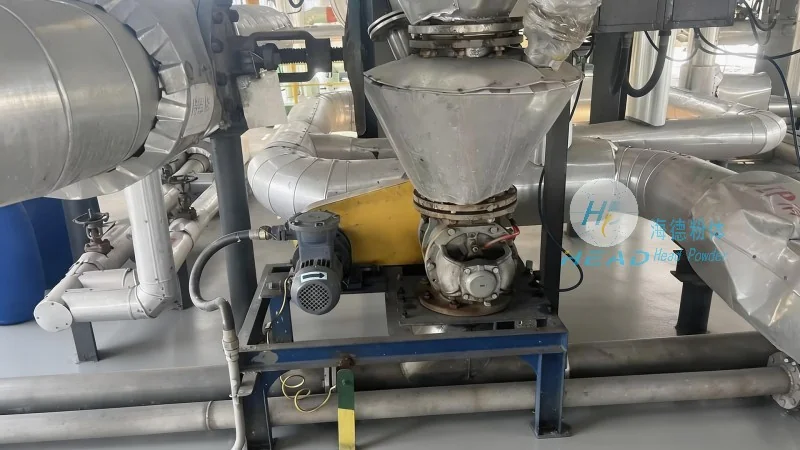
HeadPowder offers a range of material mixing pneumatic conveying machines with customizable specifications to meet the specific needs of different industrial applications. The machines are available in various sizes and capacities, with options for different material types and flow rates. The design of the system can be tailored to accommodate specific material characteristics, such as particle size, density, and moisture content. The air compressor and blower can be selected based on the required pressure and flow rate, ensuring optimal performance. The mixing chamber can be designed with different configurations, such as horizontal or vertical, to suit the specific mixing requirements. The system can also be equipped with additional features, such as dust collection systems, material level sensors, and control panels, to enhance functionality and safety. These customization options allow customers to select a machine that is perfectly suited to their production needs, ensuring maximum efficiency and performance.
Maintenance and Troubleshooting
Proper maintenance is essential to ensure the long-term performance and reliability of a material mixing pneumatic conveying machine. Regular maintenance tasks include cleaning the hopper and conveying line to prevent material buildup, checking the air compressor and blower for proper operation, and inspecting the mixing chamber for any signs of wear or damage. The system should be inspected regularly for any leaks or blockages in the conveying line, as these can affect the flow rate and mixing efficiency. If any issues are detected, the system should be serviced promptly to prevent further damage. Troubleshooting common problems, such as low flow rate or poor mixing, may involve checking the air pressure, adjusting the flow rate, or cleaning the mixing chamber. By following a regular maintenance schedule and addressing issues promptly, the system can operate at peak performance, minimizing downtime and maximizing productivity.




