Steel and lime pneumatic conveying systems are critical in industrial applications, particularly in the steel and chemical sectors. These systems efficiently transport bulk materials like steel powders and lime over long distances with minimal human intervention. Understanding their classification and composition is essential for selecting the right system for specific industrial needs.
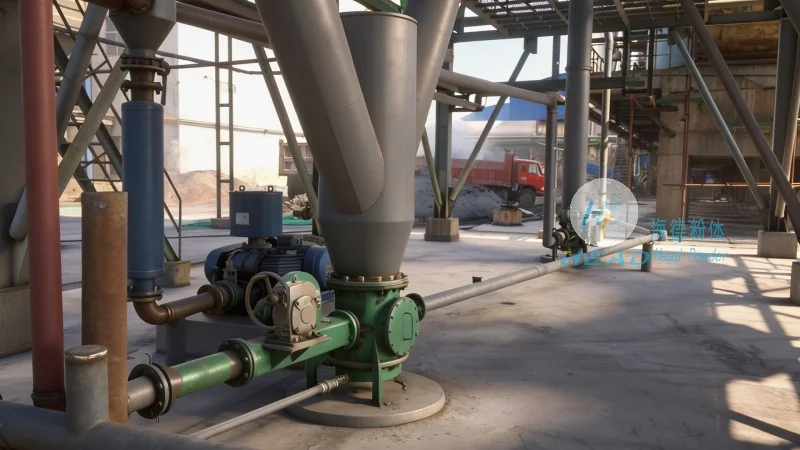
Classification of Pneumatic Conveying Systems
Pneumatic conveying systems are primarily classified based on the pressure differential between the conveying line and the ambient environment. The two main categories are positive pressure systems and negative pressure (or vacuum) systems. Each type has distinct characteristics and applications.
Positive Pressure Systems
Positive pressure systems operate by blowing air or gas into the conveying line, creating a pressure higher than the ambient air pressure. This method is suitable for applications requiring high material flow rates and long distances. The system typically includes a positive displacement blower or a centrifugal fan as the air source. The material is introduced into the conveying line at the inlet, and the air flow propels it through the pipeline. Positive pressure systems are often preferred for transporting abrasive or corrosive materials due to their robust construction and ability to handle high pressures.
Negative Pressure (Vacuum) Systems
Negative pressure systems, also known as vacuum systems, create a vacuum in the conveying line by drawing air out using a vacuum pump or fan. The material is drawn into the system at the inlet, and the vacuum pulls it through the pipeline. These systems are ideal for applications where dust control and material recovery are crucial, such as in pharmaceutical or food processing industries. However, they are generally less suitable for long-distance or high-flow applications due to limitations in vacuum pressure and material handling capacity.
System Composition and Key Components
Regardless of the classification, a typical pneumatic conveying system consists of several key components that work together to ensure efficient material transport. The main components include:
Pipeline and Fittings
The pipeline is the primary structure of the conveying system, made from materials such as stainless steel, carbon steel, or plastic, depending on the material being conveyed and environmental conditions. The pipeline is designed to withstand the pressure or vacuum levels of the system. Fittings such as elbows, tees, and reducers are used to change the direction of the flow or adjust the pipe size. These components are crucial for maintaining the system's integrity and preventing material leakage or blockages.
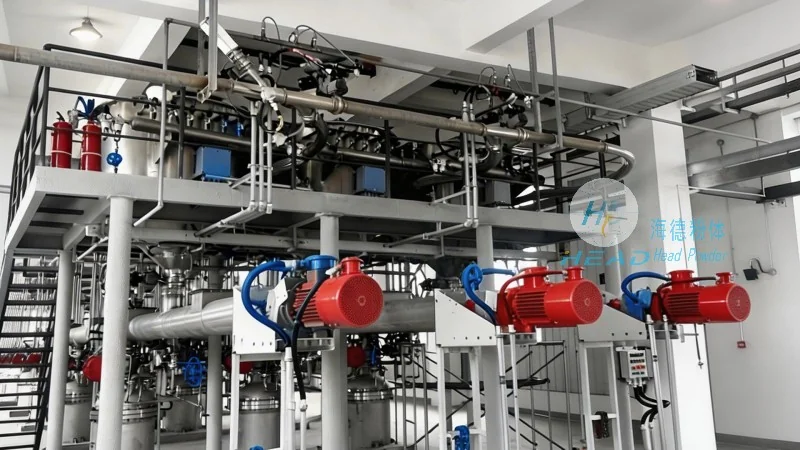
Air Source and Blower/Fan
The air source is the heart of the pneumatic conveying system, providing the necessary airflow to move the material. In positive pressure systems, a positive displacement blower (such as a rotary lobe or roots blower) or a centrifugal fan is used. These devices generate the required pressure to push the material through the pipeline. In negative pressure systems, a vacuum pump or a high-efficiency fan is used to create the vacuum. The choice of air source depends on the system's pressure requirements, material characteristics, and operational efficiency.
Material Feeders and Inlet Devices
Material feeders are used to introduce the bulk material into the conveying line at a controlled rate. Common types include rotary valves, screw feeders, and star feeders. These devices ensure a consistent flow of material, preventing overloading or underloading of the system. The inlet device, often a hopper or a bin, stores the material before it is fed into the system. The design of the feeder and inlet device is critical to avoid material bridging or clogging, which can lead to system downtime.
Separators and Filters
Separators and filters are essential components for cleaning the air and separating the conveyed material from the air stream. In positive pressure systems, a cyclone separator is commonly used to separate the material from the air at the end of the pipeline. The separated material is collected in a hopper, while the air is discharged to the atmosphere or recirculated. In negative pressure systems, a bag filter or an electrostatic precipitator is used to capture fine particles and ensure clean air discharge. These components help maintain air quality, comply with environmental regulations, and protect downstream equipment from dust accumulation.
Control Systems and Safety Features
Modern pneumatic conveying systems are equipped with advanced control systems that monitor and regulate the operation of the components. These systems include sensors for pressure, flow rate, and material level, as well as control panels that allow operators to adjust the system settings. Safety features such as pressure relief valves, vacuum breakers, and emergency stop buttons are also integrated to prevent accidents and ensure safe operation. The control system helps optimize the system's performance, reduce energy consumption, and minimize maintenance requirements.
Applications in Steel and Lime Processing
Steel and lime pneumatic conveying systems are widely used in various industrial processes. In steel manufacturing, these systems are used to transport steel powders, lime, and other raw materials to the production lines. The systems ensure a continuous supply of materials, improving production efficiency and reducing downtime. In lime processing, pneumatic conveying is used to transport lime from storage facilities to the processing units, such as kilns or reactors. The systems help maintain consistent material quality and reduce the risk of material contamination.
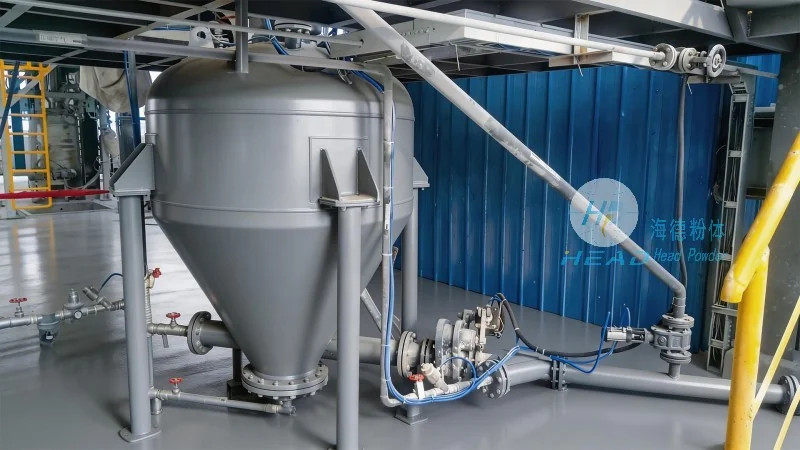
Advantages of Pneumatic Conveying Systems
Pneumatic conveying systems offer several advantages over traditional material handling methods. These include:
Efficiency and Speed
Pneumatic systems can transport materials over long distances at high speeds, reducing the time required for material handling. This efficiency is particularly beneficial in large-scale industrial operations where material movement is a critical part of the production process.
Reduced Labor and Downtime
Automated pneumatic conveying systems require minimal human intervention, reducing the need for manual labor and minimizing the risk of human error. This leads to lower labor costs and reduced downtime due to human-related issues.
Improved Material Quality
Pneumatic conveying systems can maintain the quality of the material by preventing contamination and exposure to moisture or air. This is especially important for materials like steel powders and lime, which are sensitive to environmental factors.
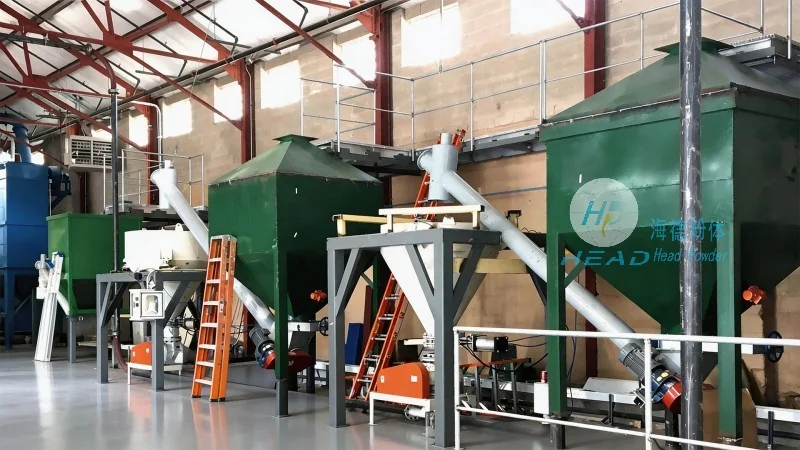
Flexibility and Scalability
Pneumatic systems are flexible and can be easily scaled to accommodate changes in production needs. The system can be expanded or modified to handle increased material flow rates or longer distances without significant changes to the existing infrastructure.
Environmental Benefits
Pneumatic conveying systems can help reduce environmental impact by minimizing dust emissions and improving air quality. The use of filters and separators in the system ensures that the air discharged is clean, complying with environmental regulations and reducing the risk of pollution.
Company Profile: Shandong HeadPowder Engineering Co., Ltd.
Shandong HeadPowder Engineering Co., Ltd., operating under the brand name HeadPowder, is a leading manufacturer of pneumatic conveying systems for industrial applications. With a strong focus on innovation and quality, the company provides customized solutions tailored to the specific needs of its clients. HeadPowder's systems are designed to meet the highest standards of efficiency, reliability, and safety, ensuring optimal performance in various industrial environments.
Customization and After-Sales Support
HeadPowder understands that each industrial application has unique requirements. Therefore, the company offers customized pneumatic conveying systems that can be tailored to specific material characteristics, flow rates, and operational conditions. The company's team of experts works closely with clients to design and implement the most suitable system for their needs. Additionally, HeadPowder provides comprehensive after-sales support, including maintenance services, spare parts supply, and technical assistance, ensuring that the systems operate at peak performance throughout their lifecycle.
Conclusion
Steel and lime pneumatic conveying systems are essential components in modern industrial operations, offering efficient and reliable material transport solutions. Understanding the classification and composition of these systems is crucial for selecting the right equipment for specific applications. With advanced technology and a commitment to quality, companies like Shandong HeadPowder Engineering Co., Ltd. play a vital role in providing effective solutions to meet the evolving needs of the industry.




