When it comes to the efficient handling and transportation of peanut kernels, pneumatic conveying systems offer a reliable and versatile solution. These systems are widely used in the food processing industry to ensure the safe and effective movement of bulk materials. Understanding the classification and composition of such systems is crucial for selecting the right equipment for specific applications.
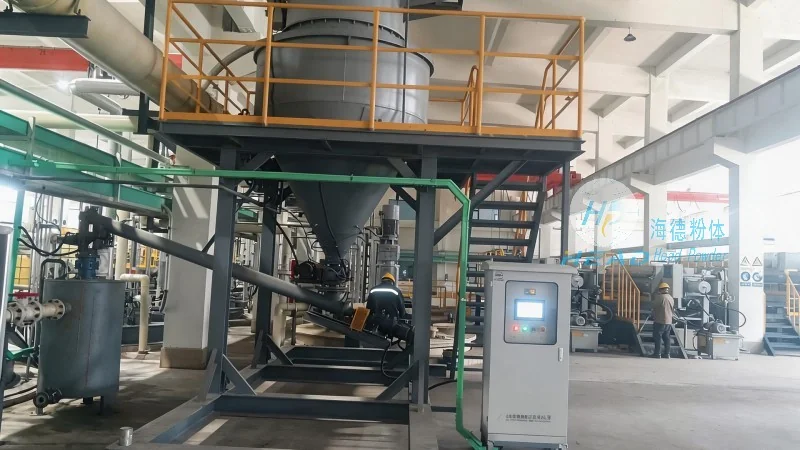
Classification of Peanut Kernels Pneumatic Conveying Systems
Pneumatic conveying systems for peanut kernels can be broadly classified into two main categories based on the air-to-material ratio and the conveying method used. The first category is the low-pressure or dilute-phase system, which operates at relatively low air pressures and uses a large volume of air to transport the material. This type of system is suitable for long-distance conveying and is commonly used in applications where the material is light and requires gentle handling. The second category is the high-pressure or dense-phase system, which operates at higher air pressures and uses a smaller volume of air to convey the material in a more concentrated form. This system is ideal for short-distance conveying and is often used when the material is heavy or requires more precise control.
Key Components of Peanut Kernels Pneumatic Conveying Systems
Regardless of the classification, a typical peanut kernels pneumatic conveying system consists of several essential components that work together to ensure smooth operation. The main components include the feed hopper, which is used to store and feed the peanut kernels into the system. The feed hopper is equipped with a metering device to control the flow rate of the material. The conveying line is the main part of the system, which is typically made of stainless steel or other corrosion-resistant materials to prevent contamination and ensure durability. The line is connected to the air source, which provides the necessary pressure and volume of air to move the material. The air source is usually a blower or a compressor, depending on the system's requirements. The separation and collection equipment is used to separate the peanut kernels from the air after the conveying process. This equipment includes a cyclone separator and a dust collector to ensure that the material is properly cleaned and collected.
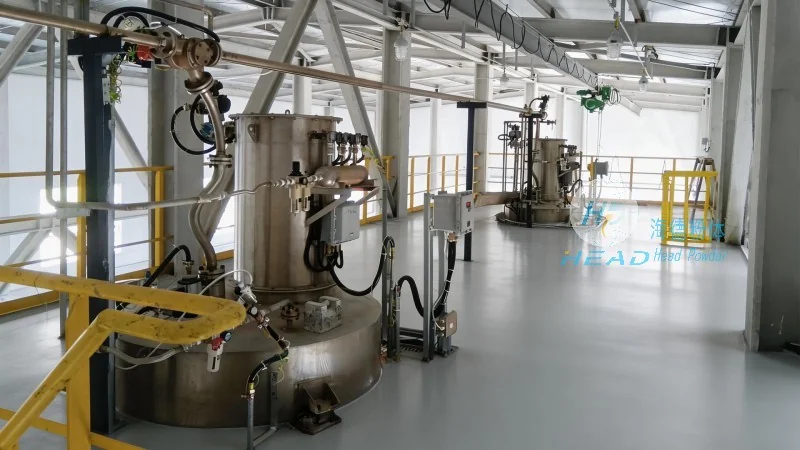
Applications and Benefits of Peanut Kernels Pneumatic Conveying Systems
Peanut kernels pneumatic conveying systems are widely used in various applications within the food processing industry. They are commonly used in peanut processing plants to transport raw peanuts from storage to processing equipment, such as roasters and shellers. The systems are also used in packaging facilities to move finished peanut products to packaging lines. The benefits of using pneumatic conveying systems for peanut kernels include improved efficiency, reduced labor costs, and enhanced product quality. These systems are also capable of handling a wide range of peanut kernel sizes and types, making them a versatile solution for different processing needs.
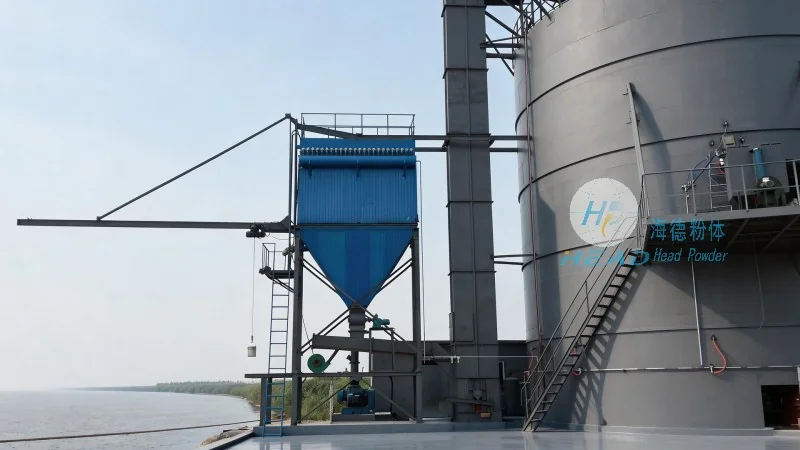
About Shandong HeadPowder Engineering Co., Ltd.
Shandong HeadPowder Engineering Co., Ltd., operating under the brand name HeadPowder, is a leading manufacturer of pneumatic conveying systems and related equipment. With years of experience in the industry, the company specializes in designing and manufacturing high-quality systems tailored to the specific needs of food processing facilities. HeadPowder's products are known for their durability, efficiency, and reliability, making them a trusted choice for businesses in the peanut processing industry. The company is committed to providing excellent customer service and support, ensuring that clients receive the best possible solutions for their material handling needs.
Contact Information
HeadPowder is located in Shandong, China, and serves clients worldwide with its advanced pneumatic conveying systems. The company's address is in Shandong, China, and it is dedicated to providing innovative and effective solutions for the transportation of peanut kernels and other bulk materials.




