For industrial applications involving the handling of manganese carbonate, efficient and reliable material transport is crucial. Pneumatic conveying systems offer a solution that minimizes dust, enhances safety, and optimizes process flow. This article explores the classification and key components of such systems, with a focus on the expertise of Shandong HeadPowder Engineering Co., Ltd., a leading provider in the field.
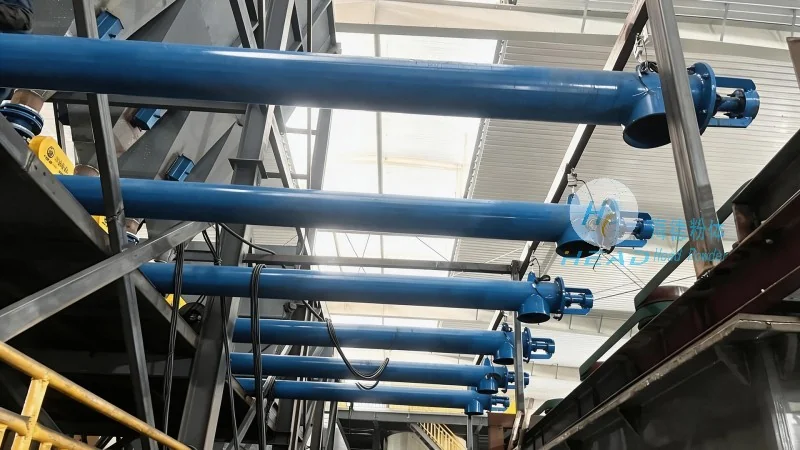
Classification of Manganese Carbonate Pneumatic Conveying Systems
Pneumatic conveying systems for manganese carbonate are typically categorized based on the method of air flow and material transport. The primary classifications include pressure, vacuum, and mixed systems. Pressure systems use positive pressure to push material through pipelines, while vacuum systems create a negative pressure environment to draw material in. Mixed systems combine elements of both, offering flexibility in handling different material properties and process requirements. Each type has distinct advantages and is selected based on factors such as material characteristics, distance, and system complexity.
Key Components of Manganese Carbonate Pneumatic Conveying Systems
The core components of a pneumatic conveying system for manganese carbonate include the material feed hopper, air compressor or vacuum pump, conveying pipeline, control valves, and dust collection equipment. The feed hopper is designed to store and meter the material, ensuring a consistent flow into the system. The air compressor or vacuum pump generates the necessary pressure or vacuum to move the material through the pipeline. Conveying pipelines are typically made of durable materials like stainless steel or plastic, chosen for their resistance to corrosion and wear from the manganese carbonate particles. Control valves regulate the flow of air and material, allowing for precise control over the conveying process. Dust collection systems are essential for maintaining air quality and compliance with environmental regulations, capturing fine particles that may be generated during transport.
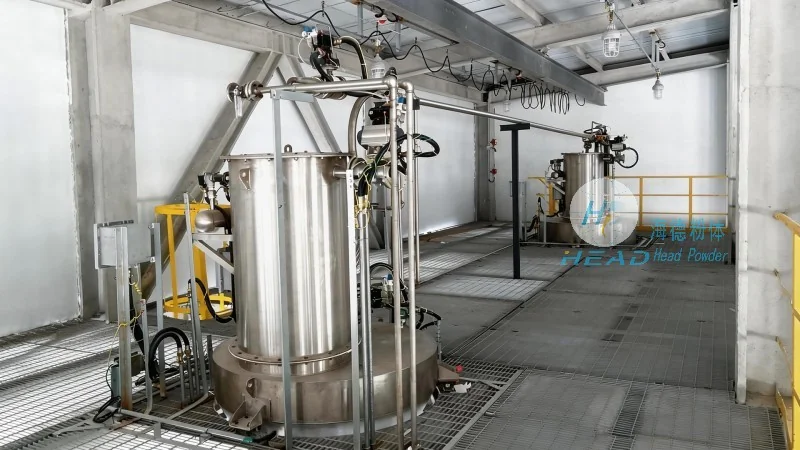
Material Handling Considerations for Manganese Carbonate
When designing a pneumatic conveying system for manganese carbonate, several material-specific considerations must be addressed. Manganese carbonate is a fine, dry powder that can be prone to caking or bridging in storage hoppers, which can disrupt the feeding process. To mitigate this, the feed hopper may incorporate features such as agitators or vibrators to ensure smooth material flow. Additionally, the particle size and density of the material affect the air velocity required for effective transport. Higher air velocities may be needed for finer particles to prevent blockages in the pipeline. The system design must also account for the potential for material degradation or oxidation during transport, which can impact product quality. Proper sealing and moisture control are critical to maintaining the integrity of the manganese carbonate during handling.
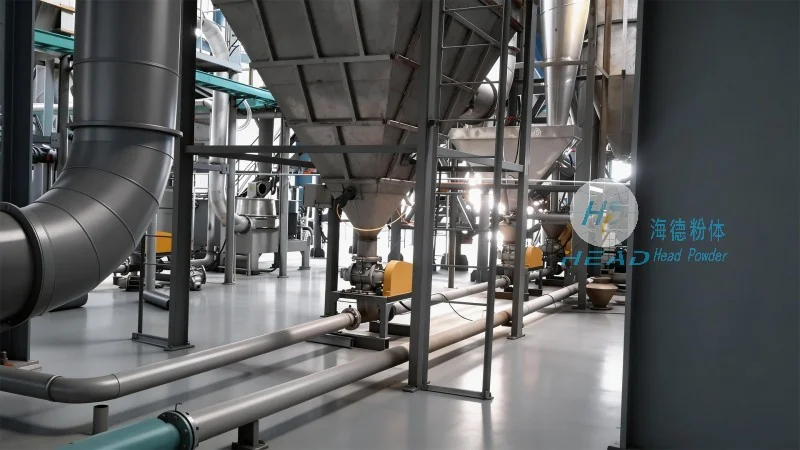
System Integration and Customization
Shandong HeadPowder Engineering Co., Ltd. specializes in designing and manufacturing customized pneumatic conveying systems tailored to the specific needs of clients. The company’s engineers work closely with clients to assess their material handling requirements, process flow, and operational constraints. This collaborative approach ensures that the final system is optimized for efficiency, reliability, and cost-effectiveness. Customization may include adjustments to pipeline length, diameter, and material of construction, as well as integration with existing equipment or control systems. The company’s expertise in material science and pneumatic conveying technology allows for the development of solutions that address unique challenges, such as handling abrasive or corrosive materials like manganese carbonate.
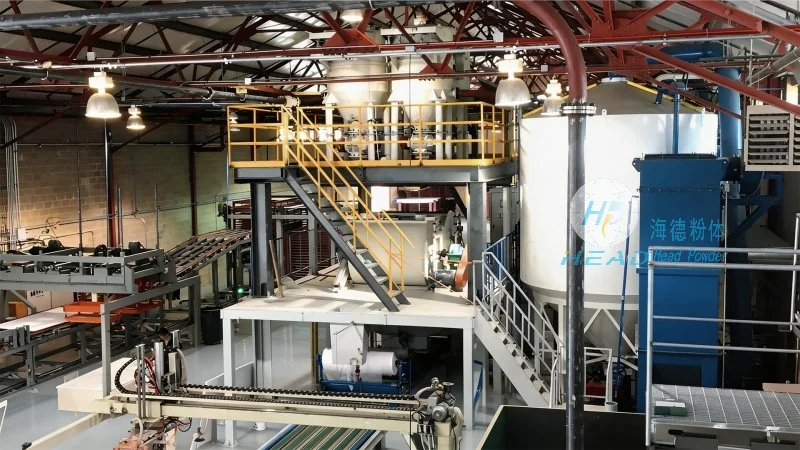
Maintenance and Operational Best Practices
Proper maintenance is essential to ensure the longevity and performance of a manganese carbonate pneumatic conveying system. Regular inspections of components such as the air compressor, pipelines, and control valves are necessary to identify and address potential issues before they lead to system failures. Cleaning of the conveying system, including the removal of accumulated material from pipelines and hoppers, is critical to prevent blockages and maintain air flow efficiency. The use of appropriate filters and lubricants for moving parts helps to reduce wear and extend the lifespan of the equipment. Operational best practices also include monitoring system pressure and flow rates to detect deviations that may indicate problems with material feed or pipeline blockages. By adhering to these practices, users can maximize the uptime and efficiency of their pneumatic conveying systems.
Conclusion
Pneumatic conveying systems represent a sophisticated and effective solution for the transport of manganese carbonate in industrial settings. The classification and composition of these systems, as detailed above, highlight the importance of tailored design and component selection to meet specific material handling needs. With its expertise in the field, Shandong HeadPowder Engineering Co., Ltd. provides comprehensive solutions that enhance operational efficiency, safety, and product quality. By understanding the key components and operational considerations, industries can leverage pneumatic conveying technology to optimize their material handling processes and achieve greater productivity.




