Magnesium silicate, a versatile industrial material, is widely used in various sectors such as construction, ceramics, and chemical manufacturing. The efficient and reliable transportation of this material is crucial for industrial operations. Pneumatic conveying lines, particularly those designed for magnesium silicate, offer a solution that combines flexibility, safety, and performance. This article delves into the operation process and working principle of magnesium silicate pneumatic conveying lines, highlighting the key components, operational steps, and the technological advancements that enhance their functionality.
Key Components of the Pneumatic Conveying System
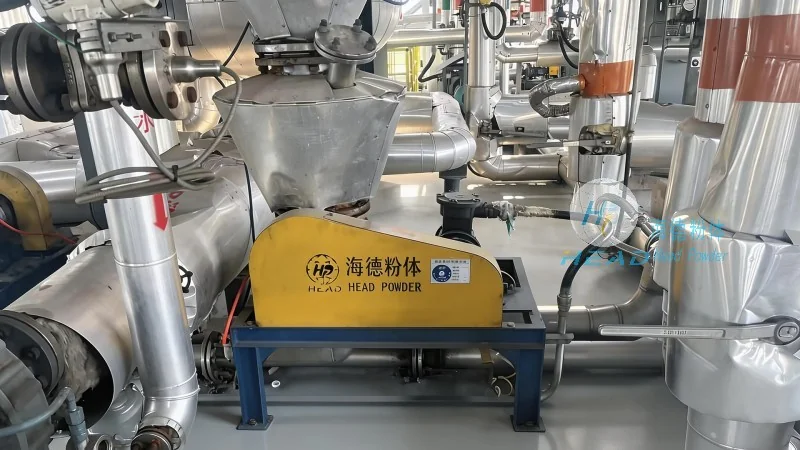
The magnesium silicate pneumatic conveying line consists of several critical components that work in tandem to ensure smooth material transport. These components include the material hopper, feeder, air compressor, conveying pipeline, and dust collector. The material hopper is designed to store the magnesium silicate, providing a consistent feed to the system. The feeder, typically a rotary valve or a screw feeder, regulates the flow of material into the pipeline. The air compressor generates the necessary air pressure to move the material through the pipeline. The conveying pipeline, often made of stainless steel or other corrosion-resistant materials, ensures the material is transported efficiently. Finally, the dust collector captures any airborne particles, maintaining a clean and safe working environment.
The Operation Process of the Pneumatic Conveying Line
The operation of a magnesium silicate pneumatic conveying line involves a series of steps that ensure the material is transported from the source to the destination. The process begins with the material being loaded into the hopper. The feeder then controls the flow rate, releasing the material into the pipeline. Simultaneously, the air compressor starts, generating the required air pressure. The compressed air, combined with the material, creates a mixture that travels through the pipeline. The velocity of the air ensures that the material is carried along, preventing blockages and ensuring uniform transport. The material is then discharged at the receiving end, where it is collected and used in the next stage of production. The entire process is automated, with sensors and controls monitoring the flow rate, pressure, and other parameters to maintain optimal performance.
Working Principle of the Pneumatic Conveying System
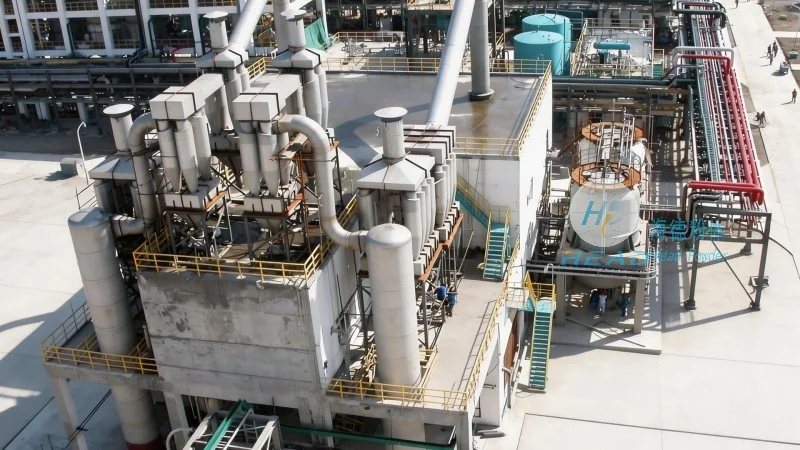
The working principle of the magnesium silicate pneumatic conveying line is based on the principle of fluidization and pneumatic transport. When the compressed air is introduced into the pipeline, it creates a low-pressure zone that draws the material from the hopper. The air and material mixture travels at a high velocity, allowing the material to be suspended and transported. The key to efficient transport is maintaining the correct air-to-material ratio. If the air pressure is too low, the material may not be fully suspended, leading to blockages. Conversely, if the air pressure is too high, it can cause excessive wear on the components and increase energy consumption. The system is designed to optimize this ratio, ensuring that the material is transported efficiently and safely.
Advantages of Using Magnesium Silicate Pneumatic Conveying Lines
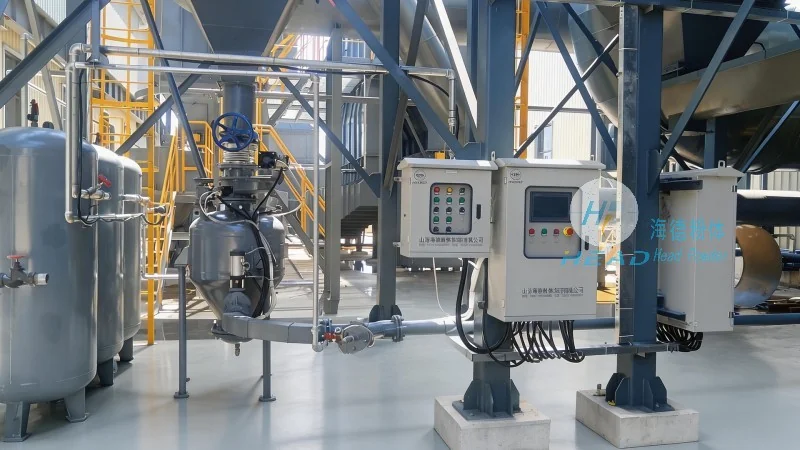
There are several advantages to using pneumatic conveying lines for magnesium silicate transportation. Firstly, it offers a dust-free and clean operation, which is essential in industries where air quality is a concern. Secondly, it provides a flexible and scalable solution, allowing for easy expansion or modification of the system. Thirdly, it reduces the risk of material contamination, as the material is not in contact with other surfaces. Finally, it improves safety by eliminating the need for manual handling of the material, reducing the risk of accidents and injuries.
About Shandong HeadPowder Engineering Co., Ltd.
Shandong HeadPowder Engineering Co., Ltd., commonly known as HeadPowder, is a leading manufacturer and supplier of industrial conveying systems. With years of experience in the industry, HeadPowder specializes in designing and manufacturing pneumatic conveying lines for various materials, including magnesium silicate. The company is committed to providing high-quality, reliable, and efficient solutions to its customers. HeadPowder's team of experts uses advanced technology and rigorous testing to ensure that their products meet the highest standards of performance and safety. The company's facilities are located in Shandong, China, and it serves clients worldwide, providing customized solutions to meet their specific needs.




