HeadPowder, a leading manufacturer based in Shandong, China, specializes in the design and production of advanced pneumatic conveying systems tailored for fine light sand applications. These systems are engineered to efficiently transport granular materials with precision, ensuring minimal loss and optimal performance in various industrial settings. The company's expertise lies in developing customized solutions that meet the specific demands of clients across different sectors, from construction to manufacturing.
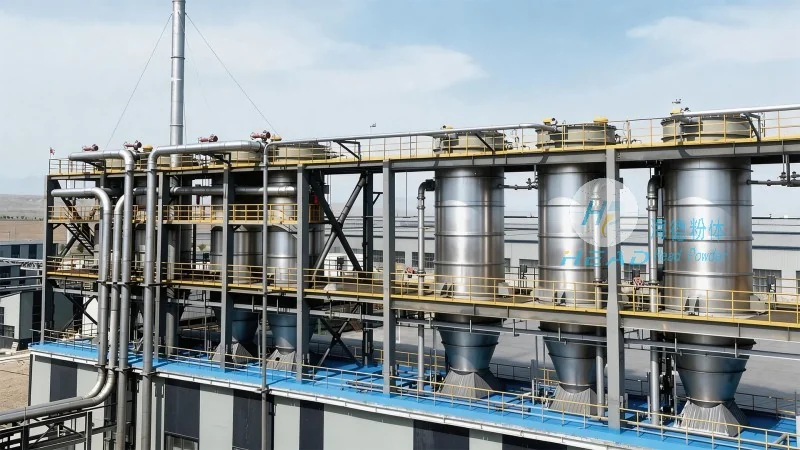
Operation Process of the Pneumatic Conveying Line
The operation of a fine light sand pneumatic conveying line involves several key steps, each designed to ensure smooth and efficient material transport. The process begins with the material being loaded into the hopper, where it is stored and prepared for transfer. From the hopper, the material is drawn into the conveying line through a series of pipes and valves. The system utilizes compressed air to create a flow that propels the sand particles through the pipeline. As the material moves, it is continuously monitored for flow rate and pressure, allowing for real-time adjustments to maintain optimal performance. The conveying line is equipped with sensors and control systems that ensure the material reaches its destination without blockages or inefficiencies. The entire process is automated, reducing the need for manual intervention and enhancing operational efficiency.
Working Principle of the Pneumatic Conveying System
The working principle of the fine light sand pneumatic conveying line is based on the fundamental concept of pneumatic transport, where compressed air is used to move solid particles. The system operates by creating a pressure differential between the inlet and outlet of the pipeline. The hopper is connected to the inlet of the conveying line, and as compressed air is introduced, it creates a negative pressure that draws the sand particles into the pipe. The air and sand mixture then travels through the pipeline, with the air providing the necessary force to overcome friction and gravity. The system is designed with appropriate pipe diameters and air velocities to ensure that the sand particles are transported without clogging or degradation. The outlet of the line is equipped with a receiver or silo, where the sand is deposited and collected for further use. The control system manages the air pressure and flow rate to maintain consistent material transport, ensuring that the process is reliable and efficient.
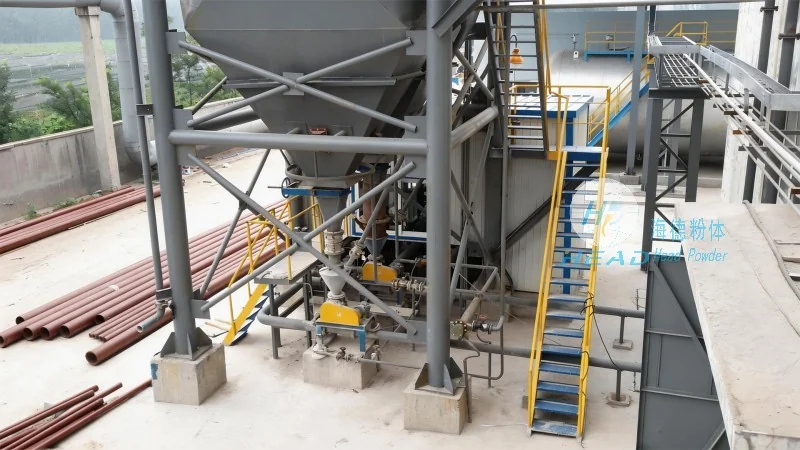
Key Components and Their Functions
Several critical components work together to ensure the effective operation of the fine light sand pneumatic conveying line. The hopper serves as the material storage and feeding unit, providing a consistent supply of sand to the system. The feeder mechanism, often a rotary valve or screw feeder, controls the flow rate of the material into the conveying line, preventing overloading and ensuring smooth transport. The pipeline system, made of durable materials such as stainless steel or plastic, is designed to withstand the pressure and abrasion from the sand particles. The air compressor generates the compressed air required for the transport process, with the air volume and pressure adjustable based on the material characteristics and system requirements. The control panel monitors and regulates the entire system, providing real-time data on pressure, flow rate, and material level. The receiver or silo at the end of the line collects the transported sand, ensuring it is stored safely and ready for use.
Advantages of Fine Light Sand Pneumatic Conveying Lines
Implementing a fine light sand pneumatic conveying line offers numerous advantages over traditional methods of material transport. One of the primary benefits is the ability to transport materials over long distances without the need for intermediate storage or handling. The system is also highly flexible, allowing for changes in the transport route or material type with minimal adjustments. The enclosed pipeline design prevents dust and contamination, maintaining the quality of the sand and ensuring a clean working environment. Additionally, the automated operation reduces labor costs and minimizes the risk of human error, leading to increased productivity and efficiency. The system is also energy-efficient, as it uses compressed air only when necessary, and can be integrated with other industrial processes to enhance overall operational performance.
Applications and Industries
Fine light sand pneumatic conveying lines are widely used in various industries that require the efficient transport of granular materials. In the construction industry, these systems are used to transport sand for concrete mixing and other building applications. The manufacturing sector utilizes them in the production of ceramics, where fine sand is a key raw material. The chemical industry also benefits from these systems, as they can transport sand used in the production of various chemicals and compounds. Additionally, the food and pharmaceutical industries use pneumatic conveying lines to transport sand or similar materials in a controlled and hygienic environment. The versatility of the system makes it suitable for a wide range of applications, from small-scale operations to large industrial facilities.
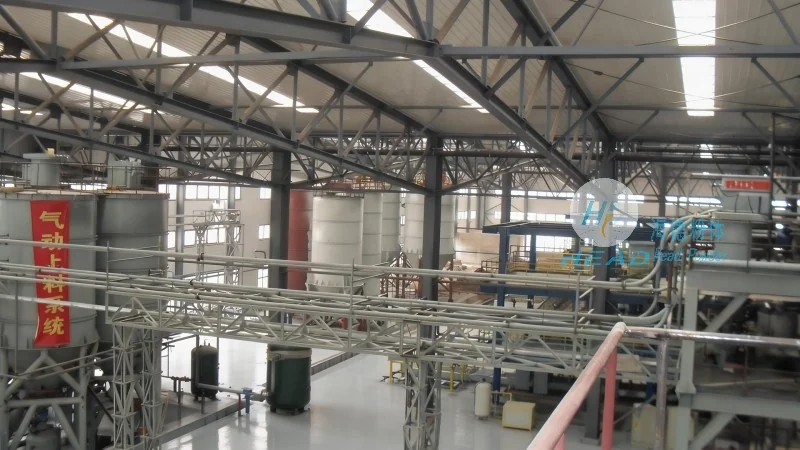
Maintenance and Operational Considerations
To ensure the long-term performance and reliability of the fine light sand pneumatic conveying line, regular maintenance is essential. The system should be inspected regularly for any signs of wear or damage, particularly in the pipeline and hopper. The air compressor and control systems should be checked for proper functioning, with filters and lubricants replaced as needed. The feeder mechanism should be cleaned and adjusted to maintain consistent material flow. The receiver or silo should be emptied periodically to prevent overfilling and ensure efficient operation. Proper training of operators is also crucial, as they need to understand the system's controls and safety procedures. By following these maintenance practices, the system can operate at optimal levels, minimizing downtime and maximizing productivity.
Conclusion
HeadPowder's fine light sand pneumatic conveying lines represent a reliable and efficient solution for transporting granular materials in various industrial applications. The system's design and operation are based on advanced engineering principles, ensuring that it meets the highest standards of performance and durability. With its automated operation and flexible design, the system offers significant advantages over traditional transport methods, making it an ideal choice for businesses looking to enhance their operational efficiency and productivity. Based in Shandong, China, HeadPowder continues to innovate and provide customized solutions that meet the evolving needs of its clients, ensuring that the fine light sand pneumatic conveying line remains a cornerstone of modern material handling technology.




