Silica powder pneumatic conveying systems are essential in industrial applications for transporting fine powders like silica efficiently. These systems utilize air or gas as the conveying medium to move materials from one location to another, offering advantages such as reduced contamination, lower maintenance, and improved safety compared to traditional mechanical conveying methods. Understanding the classification and composition of these systems is crucial for selecting the right equipment for specific industrial needs.
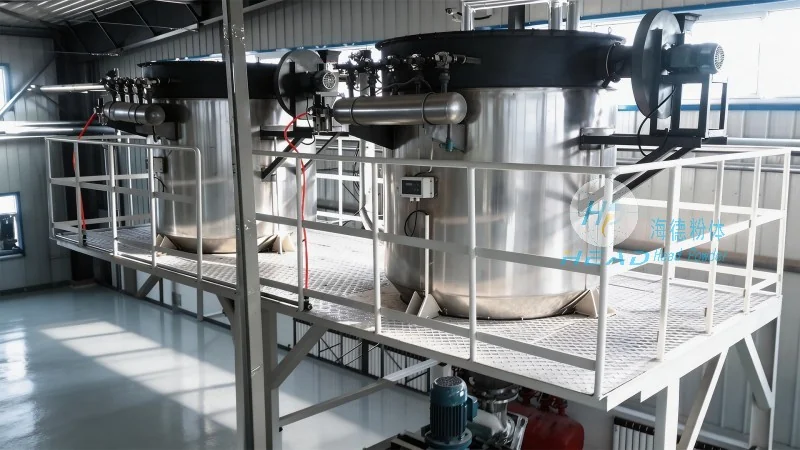
Classification of Silica Powder Pneumatic Conveying Systems
Silica powder pneumatic conveying systems can be broadly classified into two main categories: dilute phase and dense phase systems. Dilute phase systems operate at higher velocities, typically 20-30 m/s, and are suitable for short to medium distances, handling fine powders with low to moderate bulk density. Dense phase systems, on the other hand, operate at lower velocities (5-15 m/s) and higher pressure, ideal for longer distances and bulkier materials. The choice between these systems depends on factors like the powder's characteristics, required conveying distance, and the need for gentle material handling.
Key Components of Silica Powder Pneumatic Conveying Systems
The composition of a silica powder pneumatic conveying system includes several critical components that work together to ensure efficient operation. The primary components are the material feed system, the conveying line, the air or gas source, and the material discharge system. Shandong HeadPowder Engineering Co., Ltd. specializes in designing and manufacturing these systems, ensuring they meet the specific requirements of silica powder handling in various industries. The material feed system, often a hopper or feeder, ensures a consistent flow of silica powder into the system. The conveying line, typically made of stainless steel or other corrosion-resistant materials, transports the powder and air mixture. The air or gas source, such as a blower or compressor, provides the necessary pressure and velocity to move the material. The material discharge system, including a receiver or silo, collects the conveyed silica powder and regulates its release.
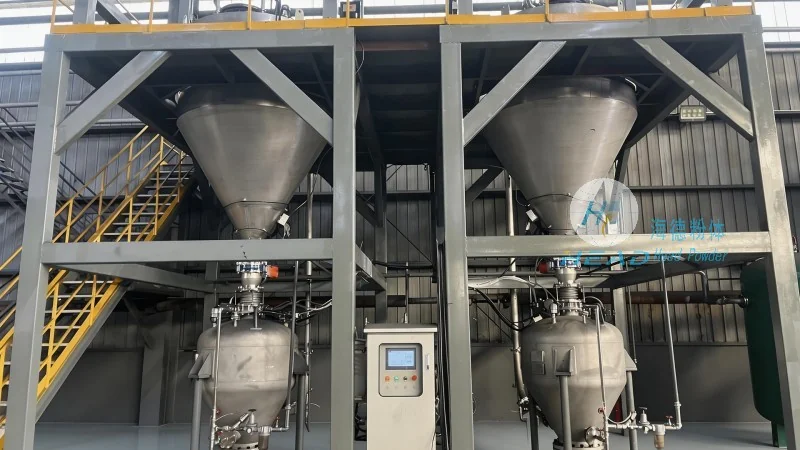
Material Feed and Hopper Design
The material feed system is a critical component in silica powder pneumatic conveying systems, as it directly impacts the system's performance and reliability. For silica powder, which can be abrasive and prone to bridging, the hopper design is crucial. Proper hopper geometry, such as conical or wedge-shaped designs, helps prevent material buildup and ensures smooth flow. Some systems may include vibrators or air knives to break up agglomerates and maintain consistent feed rates. The feeder, often a rotary valve or screw feeder, controls the flow rate of silica powder into the conveying line, ensuring it matches the system's capacity and prevents overloading.
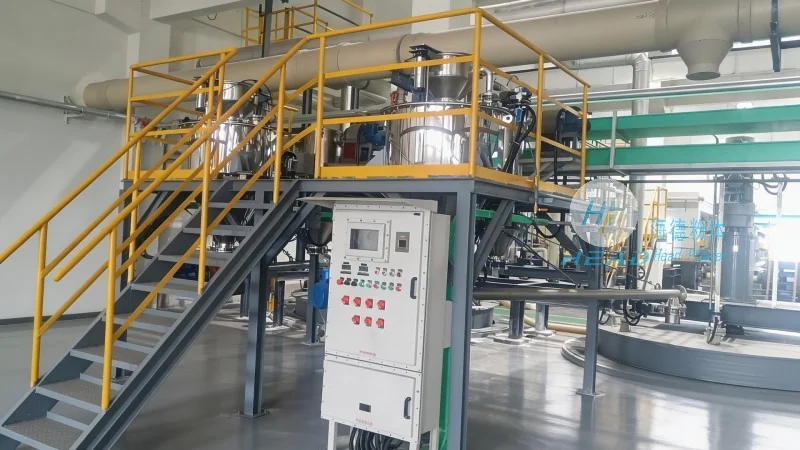
Conveying Line and Air/Gas Source
The conveying line is the backbone of the pneumatic system, responsible for transporting silica powder and air. It is typically constructed from stainless steel to withstand the abrasive nature of silica and resist corrosion. The line diameter and length are carefully selected based on the powder's properties and the required conveying distance. The air or gas source, such as a positive displacement blower or centrifugal fan, provides the necessary pressure and flow rate to move the material. The choice of air source depends on the system's operating pressure and the type of conveying (dilute or dense phase). For dense phase systems, higher pressure blowers are used to achieve the required velocity and pressure for efficient material transport.
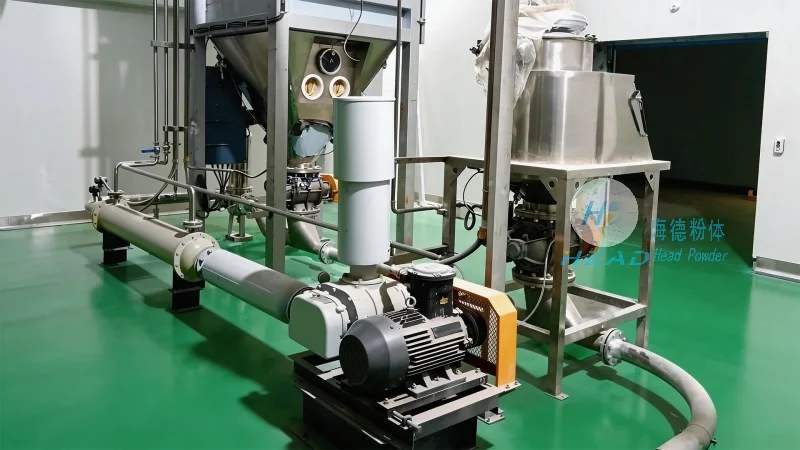
Discharge and Collection Systems
The material discharge system is responsible for collecting the conveyed silica powder and regulating its release. The receiver or silo, often made of stainless steel or other durable materials, stores the silica powder and provides a buffer for variations in feed or discharge rates. It may include a level indicator or sensor to monitor the powder level and trigger feeding or discharge actions. The discharge outlet, such as a rotary valve or gate valve, controls the release of silica powder from the receiver. Some systems may include a dust collection system to capture any airborne particles and prevent environmental contamination. This is particularly important for silica powder, which can be a respiratory hazard if not properly contained.
Advantages and Considerations for Silica Powder Pneumatic Conveying
Silica powder pneumatic conveying systems offer several advantages over traditional conveying methods. These include reduced contamination, as the material is enclosed in the system, preventing exposure to external elements. Lower maintenance is another benefit, as there are fewer moving parts compared to mechanical conveyors. Additionally, the systems are more flexible, allowing for changes in material flow or location without major modifications. However, there are considerations to keep in mind. The system's efficiency depends on the powder's properties, such as particle size, moisture content, and bulk density. Agglomerates or high moisture content can reduce conveying efficiency and increase wear on components. Proper system design and maintenance are essential to ensure optimal performance and longevity.




