For industrial applications requiring efficient and reliable material handling, glass fiber pneumatic conveying systems offer a robust solution. These systems are designed to transport glass fiber materials through an enclosed pipeline using air pressure or vacuum, ensuring minimal contamination and high throughput. Understanding the classification and composition of such systems is crucial for selecting the right equipment for specific operational needs.
Classification of Glass Fiber Pneumatic Conveying Systems
Glass fiber pneumatic conveying systems can be broadly classified into two main types based on the operating principle: positive pressure systems and negative pressure (or vacuum) systems. Each type has distinct characteristics and is suitable for different material handling scenarios.
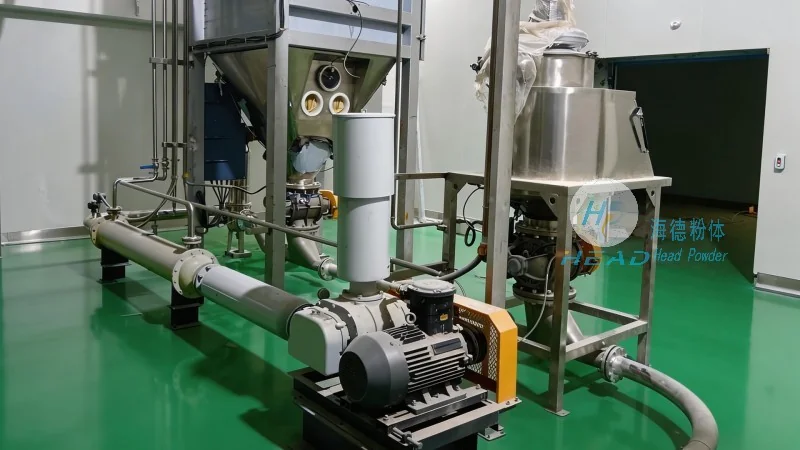
Positive pressure systems operate by blowing air or a mixture of air and other gases into the conveying line, propelling the material forward. This method is often preferred for applications involving abrasive or heavy materials, as it provides consistent pressure and reduces the risk of material degradation. The system typically includes a blower, a feed hopper, and a control valve to regulate the air flow and material discharge.
Negative pressure systems, on the other hand, use a vacuum to draw the material into the conveying line. This approach is ideal for handling fine or light materials, as it minimizes dust emissions and is more energy-efficient for short-distance transport. The system incorporates a vacuum pump, a collection hopper, and a filter to capture any airborne particles and maintain air quality.
Key Components of Glass Fiber Pneumatic Conveying Systems
The effectiveness of a glass fiber pneumatic conveying system depends on its key components, each playing a critical role in the material handling process. These components include:
1. Feed Hopper and Metering Device: The feed hopper is responsible for storing the glass fiber material and providing a controlled feed rate. The metering device, often a rotary valve or a screw feeder, ensures consistent material delivery into the conveying line, preventing blockages and maintaining system efficiency.
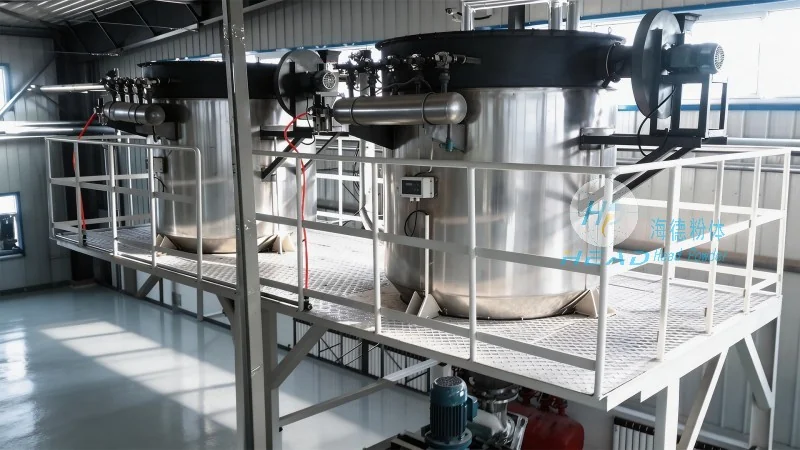
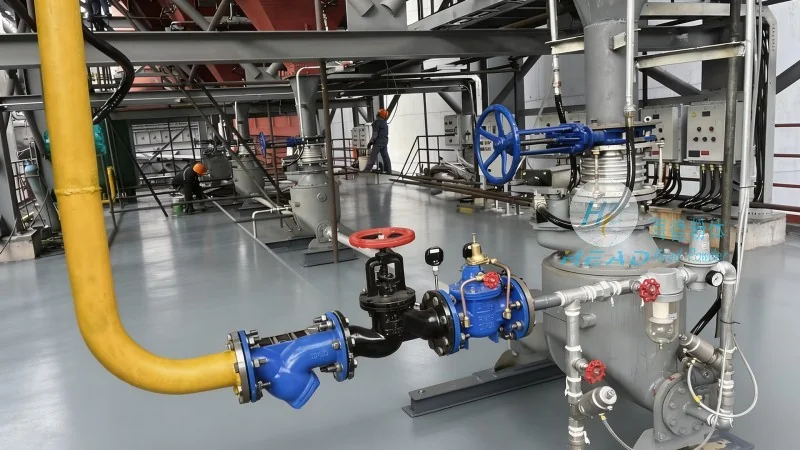
2. Conveying Pipeline: The pipeline is the main channel through which the glass fiber travels. It is typically made of durable materials such as stainless steel or plastic, designed to withstand the abrasive nature of glass fibers and the pressure or vacuum conditions. The pipeline may include bends, elbows, and straight sections, with appropriate fittings to maintain air flow and material transport.
3. Blower or Vacuum Pump: The blower or vacuum pump generates the necessary air pressure or vacuum to move the material. Positive pressure systems use high-pressure blowers, while negative pressure systems rely on vacuum pumps. The choice of equipment depends on the system type, material properties, and required flow rates.
4. Separation and Collection Equipment: At the receiving end, separation and collection equipment is used to separate the glass fiber from the air stream and collect it in a designated container. This may include a cyclone separator, a bag filter, or a dust collector, which helps maintain air quality and prevent material loss.
5. Control System: A control system is essential for monitoring and regulating the operation of the pneumatic conveying system. It includes sensors to measure pressure, flow rate, and material level, as well as control valves and actuators to adjust the system parameters in real-time. This ensures optimal performance and prevents system failures.
Applications and Benefits of Glass Fiber Pneumatic Conveying Systems
Glass fiber pneumatic conveying systems are widely used in various industries, including construction, automotive, and aerospace, due to their ability to handle glass fiber materials efficiently and safely. The benefits of these systems include:
1. Minimal Contamination: The enclosed pipeline design prevents the material from coming into contact with external contaminants, ensuring the purity of the glass fiber.
2. High Throughput: These systems can achieve high material flow rates, reducing handling time and increasing production efficiency.
3. Space Efficiency: The compact design of the system allows for installation in limited spaces, making it suitable for facilities with restricted layout.
4. Low Maintenance: With fewer moving parts compared to mechanical conveying systems, glass fiber pneumatic conveying systems require less maintenance and have lower operational costs.
5. Flexibility: The systems can be easily modified or expanded to accommodate changing production requirements, providing long-term value.
Conclusion
Glass fiber pneumatic conveying systems are a vital component in modern material handling, offering a reliable and efficient solution for transporting glass fiber materials. By understanding the classification and composition of these systems, industries can select the most appropriate equipment to meet their specific needs. As a leading provider in the field, Shandong HeadPowder Engineering Co., Ltd. specializes in designing and manufacturing high-quality glass fiber pneumatic conveying systems tailored to customer requirements. With a focus on innovation and quality, the company ensures that its products deliver optimal performance and durability, supporting the success of its clients in various industries.




