HeadPowder, a leading engineering firm based in Shandong, China, specializes in the design and manufacturing of advanced pneumatic conveying systems tailored for the handling of dried chili peppers. These systems are crucial for efficient material transport in food processing industries, ensuring product integrity and operational efficiency. This article provides a detailed overview of the classification and key components of such systems, highlighting their application in the dried chili pepper industry.
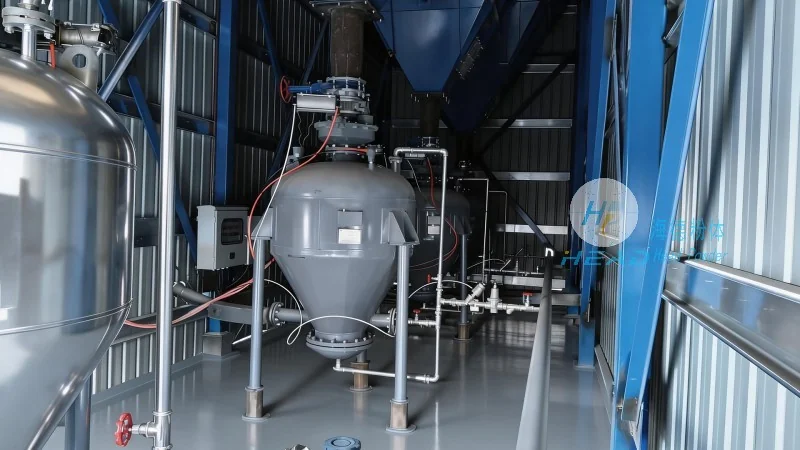
Classification of Dried Chili Pepper Pneumatic Conveying Systems
Dried chili pepper pneumatic conveying systems can be classified based on several key parameters, including the type of conveying medium, the system pressure, and the material handling capacity. The primary classifications include:
1. Positive Pressure Systems: These systems use compressed air to push the material forward. They are ideal for transporting light to medium-density materials like dried chili peppers, as the air pressure ensures consistent flow and minimal product degradation. Positive pressure systems are commonly used in applications requiring gentle handling of sensitive products.
2. Negative Pressure (Vacuum) Systems: In these systems, a vacuum is created to draw the material into the conveying line. This method is suitable for handling materials that are prone to dust generation or require a closed environment to prevent contamination. Negative pressure systems are often employed in processes where product purity is paramount, such as in food processing facilities.
3. Combined Pressure-Vacuum Systems: These systems integrate both positive and negative pressure mechanisms, offering flexibility in handling a wide range of materials. They can operate in either mode depending on the specific requirements of the process, making them versatile for complex production lines. For dried chili peppers, combined systems provide optimal control over material flow, ensuring both efficiency and product quality.
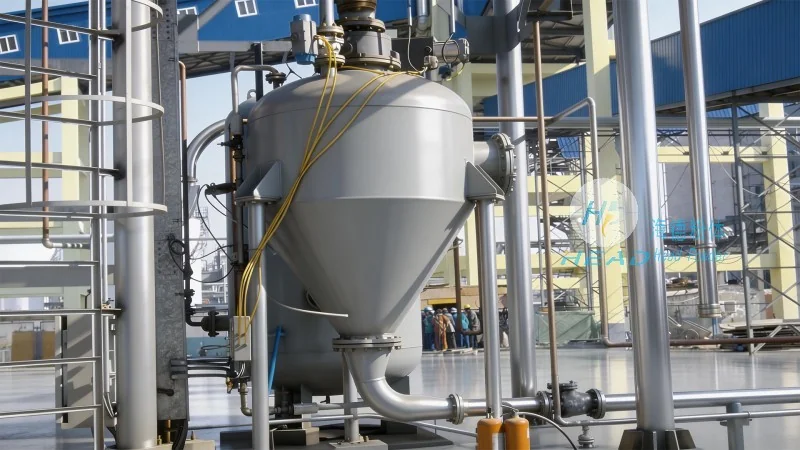
Key Components of Dried Chili Pepper Pneumatic Conveying Systems
The effective operation of a dried chili pepper pneumatic conveying system relies on several critical components, each designed to perform a specific function in the material transport process. The main components include:
1. Feeder: The feeder is responsible for feeding the dried chili peppers into the conveying line at a controlled rate. It ensures a consistent flow of material, preventing blockages and maintaining system efficiency. For dried chili peppers, a screw feeder or a rotary valve feeder is commonly used, as they can handle the material's bulk density and prevent breakage.
2. Conveying Line: The conveying line is the main pipeline through which the material is transported. It is typically made of stainless steel or other corrosion-resistant materials to withstand the acidic properties of dried chili peppers and to maintain hygiene standards. The line diameter and length are carefully selected based on the material's flow characteristics and the system's pressure requirements.
3. Air Compressor (for Positive Pressure Systems): In positive pressure systems, a high-pressure air compressor provides the necessary force to push the material through the line. The compressor must be capable of delivering sufficient air volume and pressure to ensure smooth material transport without causing excessive wear on the system components.
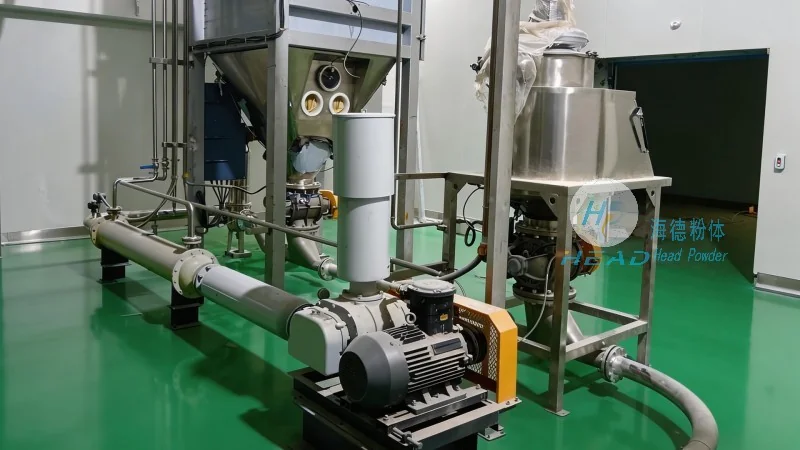
4. Vacuum Pump (for Negative Pressure Systems): For negative pressure systems, a vacuum pump creates the suction force needed to draw the material into the line. The pump's capacity and efficiency are critical to maintaining the desired vacuum level and ensuring consistent material flow.
5. Separation and Cleaning Equipment: After the material reaches its destination, separation equipment is used to separate the conveyed material from the air. This may include cyclones, filters, or baghouses, which help in recovering the product and maintaining air quality. Cleaning mechanisms are also integrated to prevent dust accumulation and ensure long-term system performance.
6. Control System: The control system manages the operation of all components, including the feeder, compressor, and separation equipment. It monitors parameters such as pressure, flow rate, and temperature, and adjusts the system settings as needed to optimize performance and prevent operational issues. Modern control systems often use programmable logic controllers (PLCs) and human-machine interfaces (HMIs) for easy operation and maintenance.
Application and Benefits in Dried Chili Pepper Processing
Dried chili pepper pneumatic conveying systems are widely used in the food processing industry due to their ability to handle the material efficiently while maintaining product quality. The benefits of these systems include:
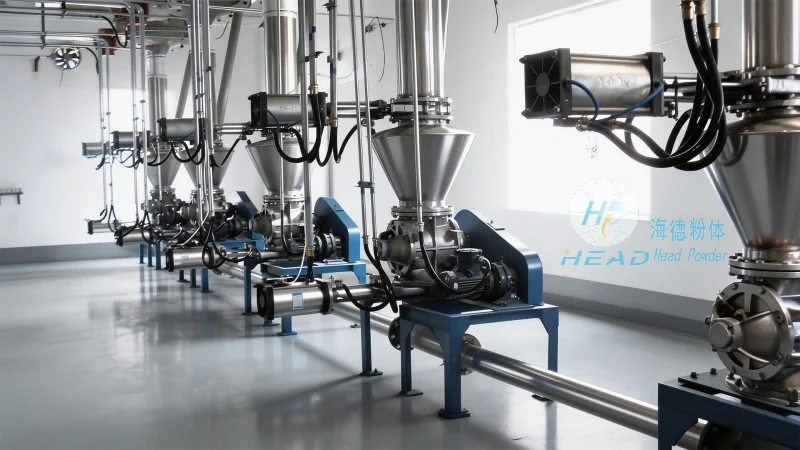
1. Enhanced Product Integrity: The gentle handling of dried chili peppers by pneumatic systems minimizes breakage and reduces the risk of contamination, preserving the product's flavor, color, and texture.
2. Increased Operational Efficiency: Automated control systems and consistent material flow improve production throughput, reducing downtime and labor costs.
3. Improved Hygiene and Safety: The enclosed design of pneumatic systems prevents dust and particles from entering the environment, ensuring compliance with food safety regulations and providing a safer working environment.
4. Flexibility and Scalability: These systems can be easily adapted to different production volumes and can be scaled up or down as the business grows, making them a cost-effective solution for various processing needs.




