Understanding the operation process and working principle of a potassium chloride pneumatic conveying line is crucial for optimizing material handling efficiency in industrial applications. This article provides a detailed overview of the key components, operational steps, and technical aspects involved in such systems, presented by Shandong HeadPowder Engineering Co., Ltd., a leading manufacturer based in China.
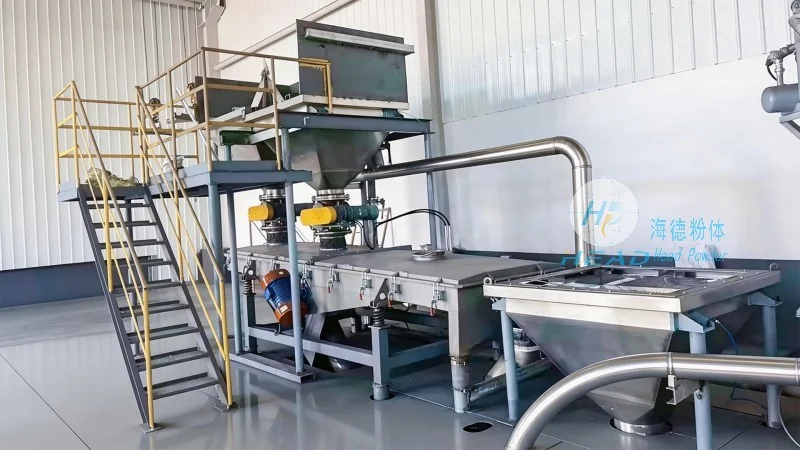
Key Components of a Potassium Chloride Pneumatic Conveying System
A typical potassium chloride pneumatic conveying line consists of several essential components that work in tandem to transport the material. The primary elements include a hopper for material storage, a rotary valve or feeder to control the flow rate, a conveying pipeline, a dust collector or filter to manage air and particulate matter, and a receiver or discharge unit for the material. Each component plays a vital role in ensuring smooth and efficient material transport, minimizing downtime and operational costs.
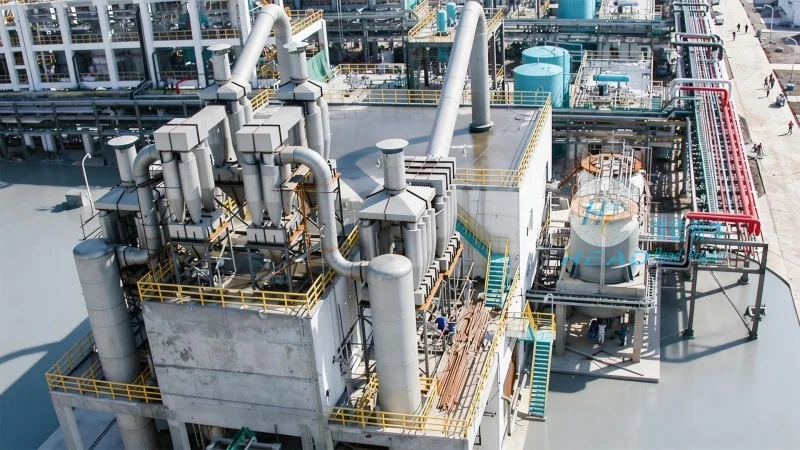
Working Principle of Pneumatic Conveying for Potassium Chloride
The working principle of a pneumatic conveying system for potassium chloride relies on the use of compressed air to move the material through the pipeline. In a positive pressure system, air is introduced into the conveying line at a higher pressure than the ambient air, pushing the material forward. The material is typically fed into the pipeline through a hopper and feeder, where it is mixed with the air stream. As the air flows through the pipeline, it carries the potassium chloride particles, maintaining a consistent flow rate and preventing blockages. The system may also incorporate features such as pulse jets or air locks to enhance material transport and prevent backflow.
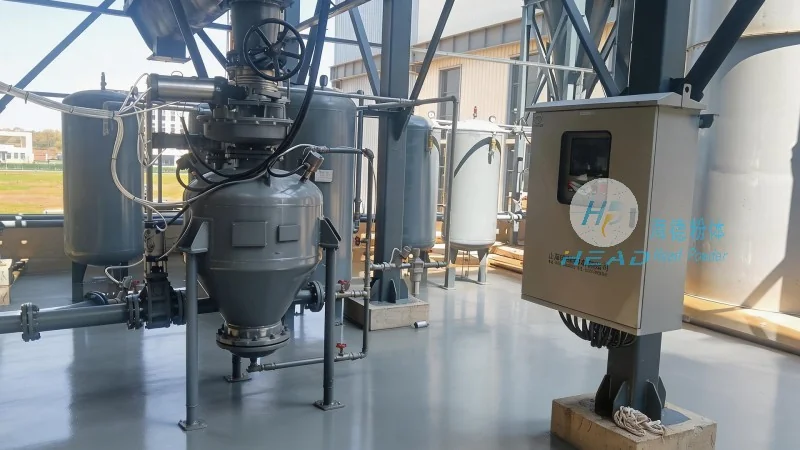
Operation Process of a Potassium Chloride Pneumatic Conveying Line
The operation process of a potassium chloride pneumatic conveying line involves several sequential steps that ensure the efficient movement of material from the source to the destination. First, the material is loaded into the hopper, which serves as a storage and feeding unit. The rotary valve or feeder then regulates the flow rate of potassium chloride into the conveying pipeline. Compressed air is introduced into the system, creating a pressure differential that propels the material forward. The material travels through the pipeline, passing through any necessary processing or filtration stages, such as a dust collector to remove fine particles and maintain air quality. Upon reaching the discharge point, the material is collected in a receiver or storage bin, completing the transport cycle. The system may also include monitoring and control mechanisms to adjust air pressure, flow rate, and other parameters in real-time, ensuring optimal performance and preventing operational issues.
Benefits and Applications of Potassium Chloride Pneumatic Conveying Systems
Potassium chloride pneumatic conveying systems offer numerous benefits for industrial operations, including high efficiency, minimal material loss, and reduced labor costs. These systems are particularly suitable for transporting bulk materials over short to medium distances, making them ideal for applications in chemical, fertilizer, and food processing industries. The ability to handle fine or abrasive materials like potassium chloride without causing damage or contamination is a key advantage, as it preserves the quality of the product throughout the transport process. Additionally, pneumatic conveying systems are flexible and can be easily integrated into existing production lines, allowing for seamless material handling and improved overall productivity.
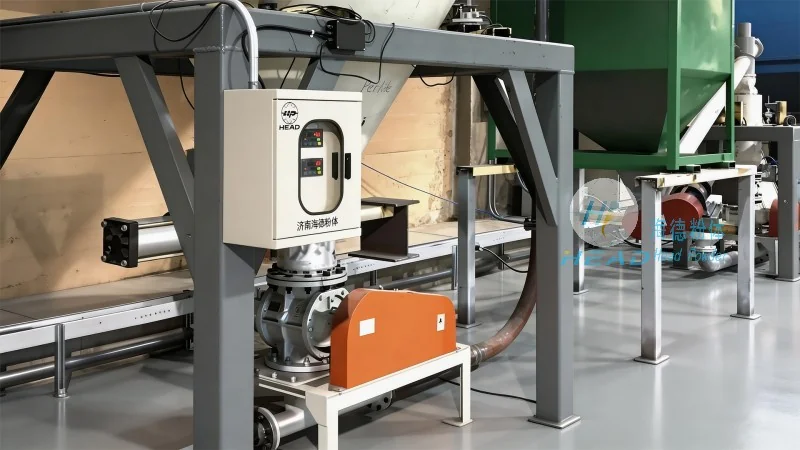
Conclusion and Company Overview
In conclusion, the operation process and working principle of a potassium chloride pneumatic conveying line are complex yet efficient mechanisms that enable the reliable transport of bulk materials. Shandong HeadPowder Engineering Co., Ltd., with its expertise in engineering and manufacturing, provides high-quality pneumatic conveying solutions tailored to the specific needs of industrial clients. Based in China, the company leverages advanced technology and rigorous quality control to deliver systems that meet international standards and enhance operational performance. By understanding the key components, operational steps, and benefits of such systems, industries can optimize their material handling processes and achieve greater efficiency and cost savings.




