

Principle and Working Scene Characteristics of Pneumatic Conveying Equipment for Coffee Powder Mater
Shandong HeadPowder Engineering Co., Ltd., commonly known as HeadPowder, is a professional manufacturer based in Shandong, China. The company specializes in the design, development, and production of advanced pneumatic conveying systems tailored for handling coffee powder and other fine particulate materials. This article delves into the fundamental principles of such equipment and highlights the key characteristics of its working scenarios.
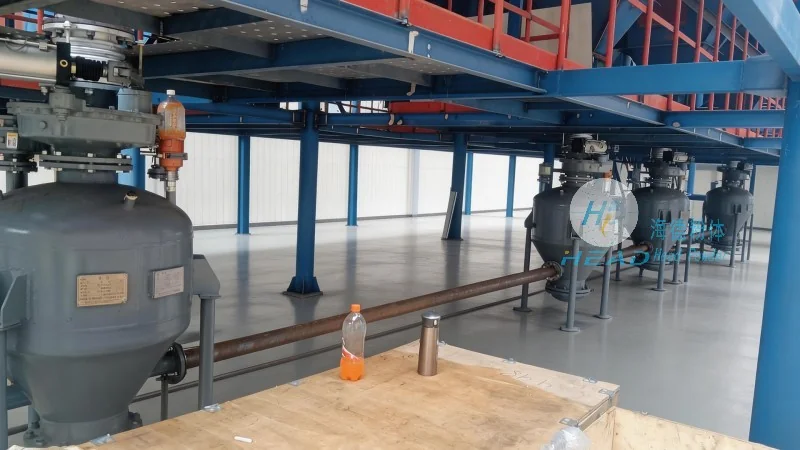
Overview of Pneumatic Conveying Technology for Coffee Powder
Coffee powder, with its fine granular structure and potential for static electricity, presents unique challenges in material handling. Traditional methods like belt conveyors or bucket elevators may lead to material degradation, dust generation, or blockages. Pneumatic conveying offers a solution by utilizing air as the medium to transport coffee powder through a closed pipeline system. This technology is widely adopted in the coffee processing industry due to its ability to maintain product integrity, ensure hygienic conditions, and enhance operational efficiency.
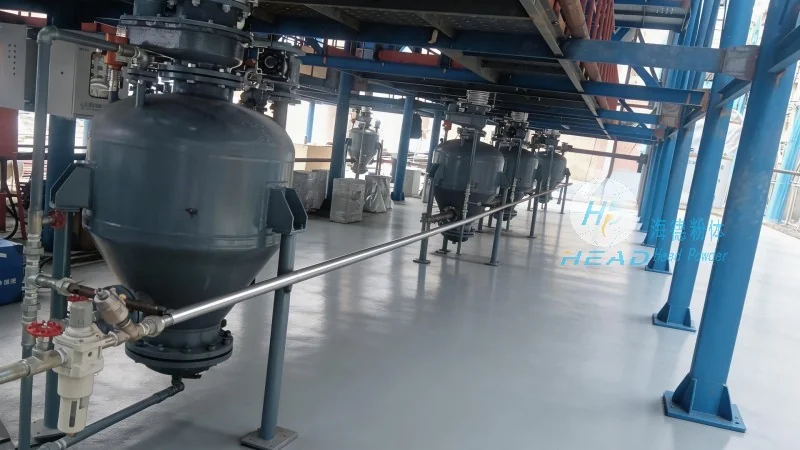
The Core Principle of Pneumatic Conveying Systems
The operation of a pneumatic conveying system for coffee powder relies on the principle of air flow to move particles. There are two primary types of systems: positive pressure (pressure) and negative pressure (suction). In a positive pressure system, a blower or compressor generates high-pressure air that pushes coffee powder through the pipeline. The system typically includes a hopper for material storage, a feeder to control the flow rate, a pipeline network, and a receiver for the discharged material. The negative pressure system, on the other hand, uses a vacuum pump to create a low-pressure environment that draws coffee powder into the pipeline. Both systems are designed to handle the specific properties of coffee powder, such as its low bulk density and tendency to adhere to surfaces.
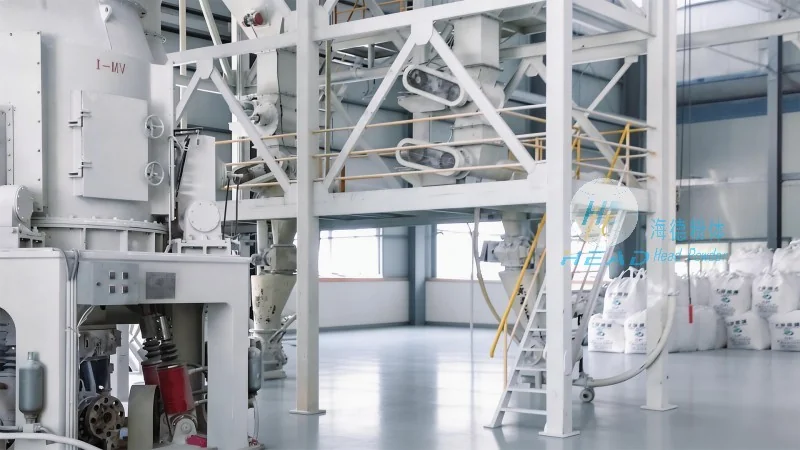
Key Working Scene Characteristics
The application of coffee powder pneumatic conveying equipment varies across different industrial settings, each with distinct requirements and operational conditions. Understanding these characteristics is crucial for selecting the appropriate system for a specific use case.
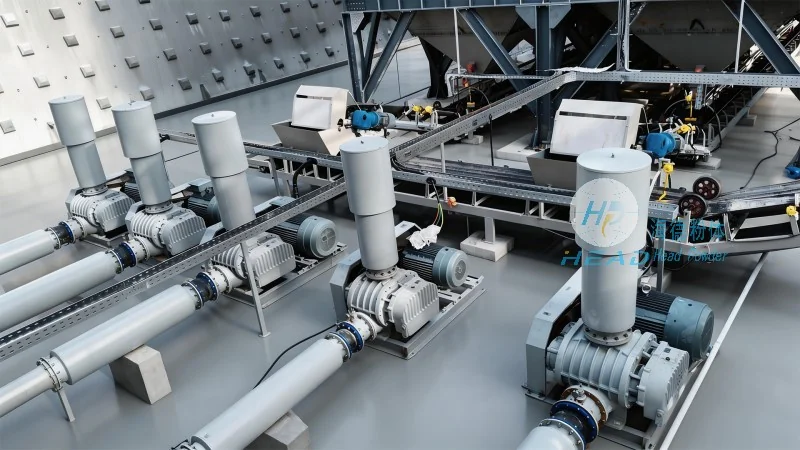
- Coffee Processing Plants: In large-scale coffee processing facilities, the equipment is used to transport raw coffee beans to grinding units, move ground coffee from the grinder to storage silos, and distribute coffee powder to packaging lines. The systems are often integrated with other processing equipment, requiring high capacity and reliable performance to meet production demands.
- Bakery and Café Operations: For commercial bakeries and cafés, smaller-scale pneumatic conveying systems are employed to transport coffee powder from bulk storage to blending and dispensing stations. These systems are designed for flexibility, allowing for quick adjustments in material flow rates to accommodate varying customer orders or product formulations.
- Logistics and Distribution Centers: In logistics environments, the equipment is used to move coffee powder from receiving areas to storage warehouses and then to shipping containers. The systems are optimized for efficiency in handling large volumes of material, with features like automated control and minimal downtime to support smooth supply chain operations.
Advantages and Considerations in Practical Applications
When implementing coffee powder pneumatic conveying equipment, several factors must be considered to ensure optimal performance and longevity. The choice between positive and negative pressure systems depends on factors such as the distance of material transport, the required flow rate, and the presence of obstacles in the pipeline. Additionally, the system design must account for the hygienic requirements of the coffee industry, including easy cleaning and compliance with food safety regulations. HeadPowder's expertise in customizing solutions ensures that their equipment is tailored to meet the specific needs of each client, whether it's a small-scale café or a large industrial facility.