For industries dealing with polypropylene materials, efficient and reliable material handling is crucial to maintain production efficiency and product quality. Polypropylene, a widely used thermoplastic polymer, often presents unique challenges during transportation due to its physical properties such as particle size, density, and tendency to agglomerate or generate static electricity. Pneumatic conveying systems have emerged as a preferred solution for handling polypropylene, offering advantages like dust-free operation, flexible layout, and the ability to transport materials over long distances without mechanical contact. This article explores the fundamental principles of polypropylene material pneumatic conveying equipment and highlights key working scene characteristics that make it suitable for various industrial applications.
1. Basic Principle of Polypropylene Pneumatic Conveying Equipment
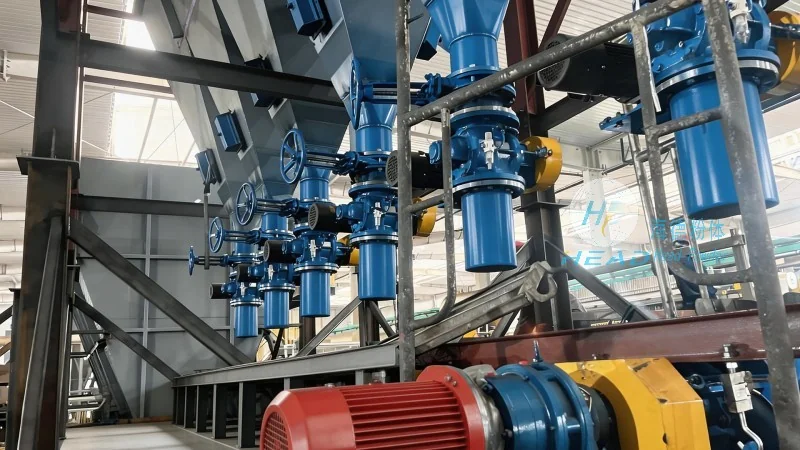
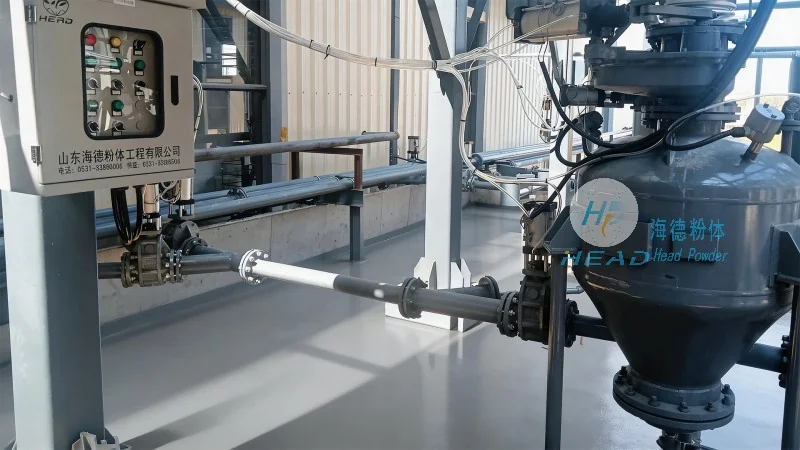
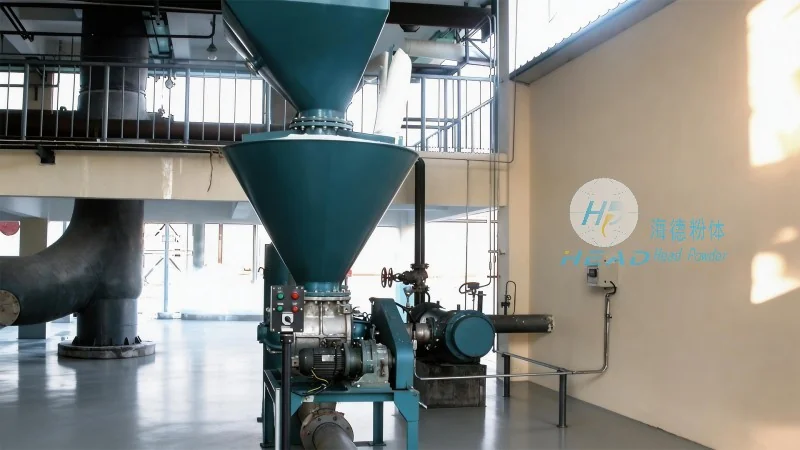
Pneumatic conveying technology relies on the movement of a gas (usually air) to transport solid particles. For polypropylene, the system typically operates under positive pressure, where a fan or blower generates airflow that draws or pushes the material through a pipeline. The core components of a polypropylene pneumatic conveying system include a material feeder (such as a rotary valve or screw feeder), a conveying pipeline, a separation and collection unit (cyclone or bag filter), and a dust removal system. The feeder ensures a consistent flow of polypropylene into the pipeline, while the separation unit separates the conveyed material from the air stream, allowing the material to be deposited at the destination and the air to be filtered before release. The system is designed to handle polypropylene's specific characteristics, such as its low friction coefficient and potential for static buildup, by incorporating anti-static measures and appropriate material selection for components like the feeder and pipeline.
2. Working Scene Characteristics of Polypropylene Pneumatic Conveying Equipment
The adaptability of polypropylene pneumatic conveying equipment is evident in its application across diverse industrial sectors. In the plastic manufacturing industry, these systems are commonly used to transport raw polypropylene pellets from storage silos to processing machines, ensuring a continuous and clean supply of material. The dust-free operation is particularly beneficial in environments where contamination or dust accumulation could affect the quality of the final product. In the chemical processing sector, polypropylene may be used as a carrier or filler, and pneumatic conveying allows for safe and efficient transfer of these materials without the risk of cross-contamination. Additionally, in food processing facilities, where hygiene is paramount, polypropylene pneumatic conveying systems can be designed to meet strict sanitary standards, using materials like stainless steel and sealed components to prevent contamination. The flexibility of the system also enables it to be integrated into existing production lines, with the ability to adjust flow rates and pressure to match the specific requirements of different processes.
3. Advantages in Specific Application Scenarios
One of the key working scene characteristics is the system's ability to handle polypropylene in various forms, including pellets, powders, and granules. For example, in the production of polypropylene-based products like fibers or films, the equipment can efficiently transport the material from a storage hopper to a extrusion machine, minimizing downtime and ensuring a steady feed. The positive pressure system is also effective in preventing material degradation, as it avoids the mechanical stress associated with belt or screw conveyors. In applications where long-distance transport is required, such as moving polypropylene from a warehouse to a processing plant located several hundred meters away, the pneumatic system provides a reliable solution that can maintain material integrity over extended distances. Furthermore, the system's compact design allows for installation in spaces with limited room, making it suitable for retrofitting into existing facilities without major structural modifications.
4. Technical Considerations for Optimal Performance
When implementing polypropylene pneumatic conveying equipment, several technical factors must be considered to ensure optimal performance. The choice of conveying method—whether positive or negative pressure—depends on the distance, material characteristics, and system layout. Positive pressure systems are generally preferred for long-distance or multi-point delivery, as they offer better control over material flow and can handle higher material loads. The selection of the fan or blower is critical, as it must provide sufficient airflow to overcome the resistance in the pipeline and ensure consistent material transport. Additionally, the design of the feeder is crucial for preventing material blockages, especially for polypropylene that may tend to agglomerate. Anti-static measures, such as grounding and using conductive materials, are essential to prevent static buildup, which can cause material discharge issues or spark hazards. The separation and filtration system must also be designed to handle polypropylene's fine particles, ensuring that the air is effectively cleaned before release to comply with environmental regulations.
5. HeadPowder's Expertise in Polypropylene Pneumatic Conveying Solutions
Shandong HeadPowder Engineering Co., Ltd., a leading provider of material handling solutions, specializes in designing and manufacturing polypropylene pneumatic conveying equipment tailored to the unique needs of various industries. With years of experience in the field, HeadPowder understands the challenges associated with handling polypropylene and offers customized solutions that address specific application requirements. The company's team of engineers works closely with clients to assess their material characteristics, production processes, and operational constraints, ensuring that the final system is efficient, reliable, and cost-effective. HeadPowder's products are designed with high-quality materials and advanced technology, incorporating features like adjustable flow control, pressure monitoring, and easy maintenance to enhance performance and longevity. The company's commitment to customer satisfaction is reflected in its comprehensive after-sales support, including technical guidance and troubleshooting assistance. Based in Shandong, China, HeadPowder leverages its local expertise and resources to deliver superior pneumatic conveying solutions that meet the demands of modern industrial operations.




