Automatic loading and unloading material conveying lines represent a cornerstone of modern industrial automation, offering efficient, reliable solutions for material handling across diverse sectors. These systems are designed to streamline the movement of goods from one stage of production to another, minimizing manual intervention and enhancing overall operational efficiency. The core principle behind such lines involves a combination of mechanical components, control systems, and software integration, enabling seamless material transfer while maintaining precision and speed.
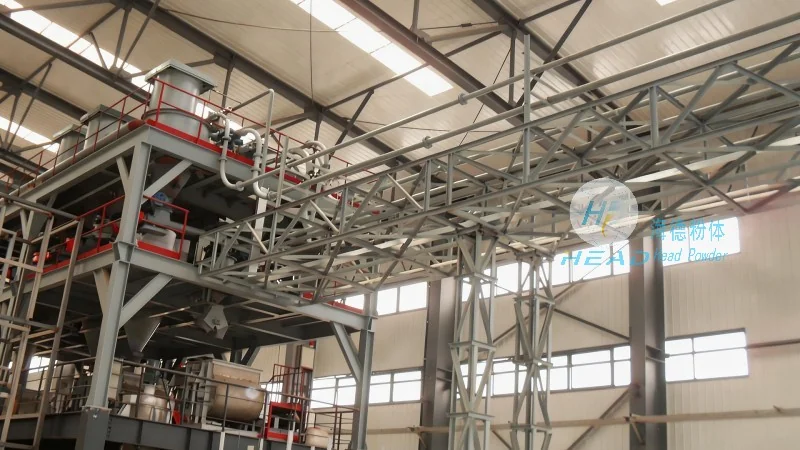
Company Introduction: HeadPowder Engineering
HeadPowder Engineering, a leading enterprise based in Shandong, China, specializes in the design, manufacturing, and implementation of advanced material handling solutions. With a strong commitment to innovation and customer-centric service, the company has established itself as a trusted partner for businesses seeking to optimize their material flow processes. HeadPowder's expertise lies in tailoring conveying systems to meet specific operational requirements, ensuring that each solution is both efficient and cost-effective.
Principles of Automatic Loading and Unloading Conveying Lines
The fundamental principle of automatic loading and unloading material conveying lines revolves around the integration of various components that work in harmony to facilitate material movement. At the heart of these systems are conveyor belts, rollers, or other transport mechanisms that move items from a loading point to an unloading point. Automated loading mechanisms, such as robotic arms or mechanical feeders, are integrated to place materials onto the conveyor, while unloading mechanisms, including sorters or elevators, handle the removal of items at the destination. Control systems, often utilizing programmable logic controllers (PLCs) or industrial computers, manage the entire process, ensuring synchronization between loading, transport, and unloading operations. Sensors and feedback mechanisms further enhance the system's responsiveness, allowing for real-time adjustments based on material flow conditions.
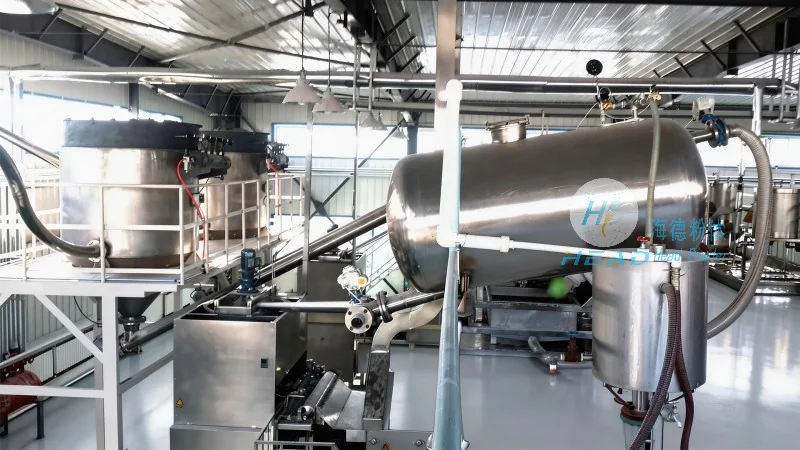
Working Scene Characteristics: Applications and Benefits
Automatic loading and unloading material conveying lines are deployed in a wide range of working scenes, each tailored to address specific industry needs. In manufacturing environments, these systems are critical for transferring raw materials to production lines and finished products to packaging stations. The ability to handle high volumes of materials with minimal human involvement reduces labor costs and minimizes the risk of errors associated with manual handling. In logistics and warehousing, such lines enhance the efficiency of order fulfillment, enabling faster picking and packing processes. The working scene characteristics also include adaptability to different material types, such as bulk materials, packaged goods, or even fragile items, through the use of specialized conveyor designs and handling equipment. Additionally, these systems can be integrated with other automation technologies, like automated storage and retrieval systems (AS/RS) or robotic picking stations, to create comprehensive material handling solutions that optimize workflow and reduce bottlenecks.
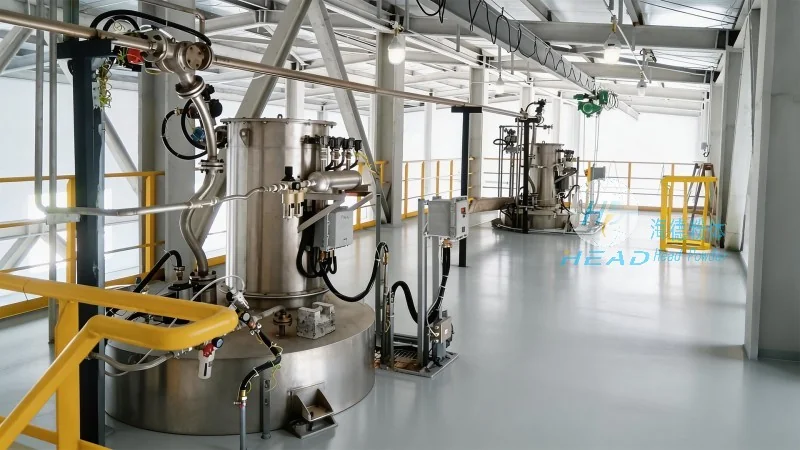
Key Features and Advantages in Practical Applications
When evaluating automatic loading and unloading material conveying lines, several key features and advantages stand out in practical applications. Firstly, the systems offer high throughput capabilities, allowing for continuous material flow even during peak production periods. This is achieved through the use of multiple conveyor sections, variable speed drives, and optimized layout designs that minimize idle time. Secondly, the integration of automated loading and unloading mechanisms reduces the need for manual labor, leading to significant cost savings and improved workplace safety. By minimizing human interaction with heavy or hazardous materials, the risk of workplace injuries is substantially reduced. Thirdly, the flexibility of these systems enables easy integration with existing production lines, allowing for incremental upgrades or modifications as business needs evolve. This adaptability is particularly valuable for companies undergoing growth or undergoing process improvements. Furthermore, the use of advanced control systems and sensors provides real-time monitoring and data collection, enabling better decision-making and process optimization. By tracking material flow rates, downtime, and other key performance indicators, businesses can identify areas for improvement and implement targeted enhancements to further boost efficiency.
Conclusion: The Role of HeadPowder in Modern Material Handling
Automatic loading and unloading material conveying lines play a pivotal role in modern industrial operations, driving efficiency, productivity, and cost-effectiveness. HeadPowder Engineering, with its expertise and commitment to quality, provides tailored solutions that address the unique challenges faced by businesses across various industries. By leveraging advanced technology and a customer-focused approach, HeadPowder ensures that its conveying systems not only meet current operational needs but also support future growth and innovation. The working scene characteristics of these systems, combined with their robust design and reliability, make them indispensable assets for any organization seeking to optimize its material handling processes and stay competitive in today's dynamic market.




