Shandong HeadPowder Engineering Co., Ltd. (headpowder) specializes in the design and manufacturing of advanced industrial equipment, including automatic quantitative powder material conveying lines. These systems are engineered to meet the diverse needs of various industries, ensuring efficient and precise material handling. The company's focus on innovation and quality has made its products a trusted choice in sectors ranging from pharmaceuticals to food processing and chemicals.
Principle of the Automatic Quantitative Powder Material Conveying Line
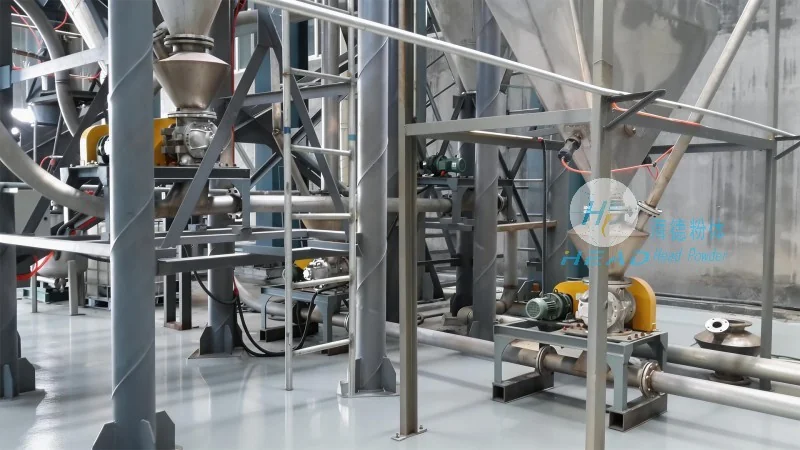
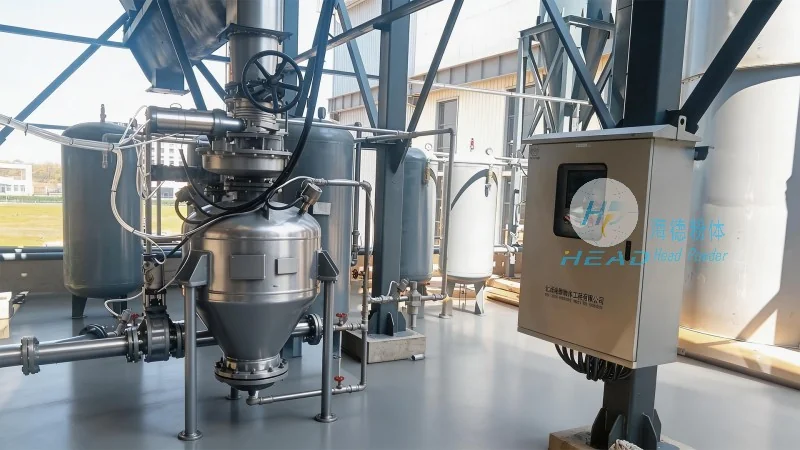
The operation of an automatic quantitative powder material conveying line is based on a combination of mechanical, pneumatic, and sometimes electrical components working in harmony. The system typically starts with a hopper or storage container that holds the bulk powder. From there, the powder is fed into a conveyor mechanism, which may include screw conveyors, belt conveyors, or pneumatic ducts, depending on the material properties and required flow rate. A key component in the quantitative measurement is the dosing device, which can be a gravimetric feeder, volumetric feeder, or a combination of both. Gravimetric feeders use load cells to measure the weight of material passing through, providing high accuracy and repeatability. Volumetric feeders, on the other hand, measure the volume of material and are often used for less critical applications or where cost is a primary concern. The dosing device is synchronized with the conveyor system to ensure that the correct amount of powder is delivered at a consistent rate. Control systems, often PLC (Programmable Logic Controller) based, manage the entire process, monitoring parameters such as flow rate, pressure, and temperature to maintain optimal performance. Sensors and feedback mechanisms are integrated to detect any deviations and adjust the operation in real-time, ensuring the system operates within the desired parameters. The final stage involves the discharge of the measured powder into a container or directly into the next production step, such as mixing, compounding, or packaging. This integrated approach allows for a continuous and automated process, reducing human intervention and minimizing the risk of errors associated with manual handling.
Working Scene Characteristics of the Automatic Quantitative Powder Material Conveying Line
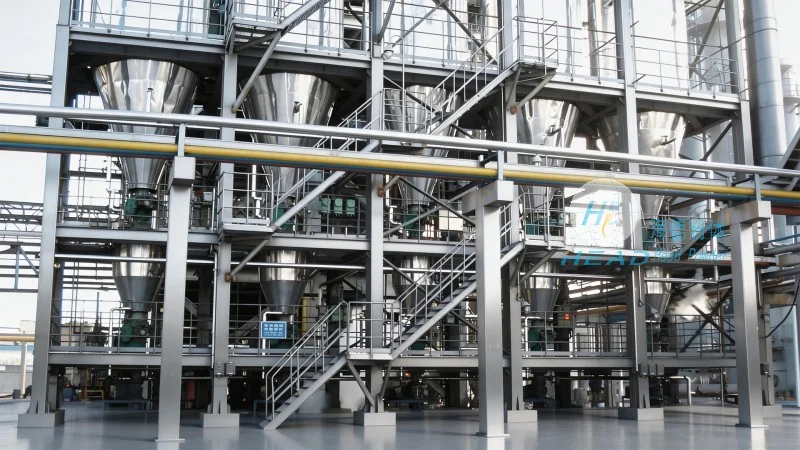
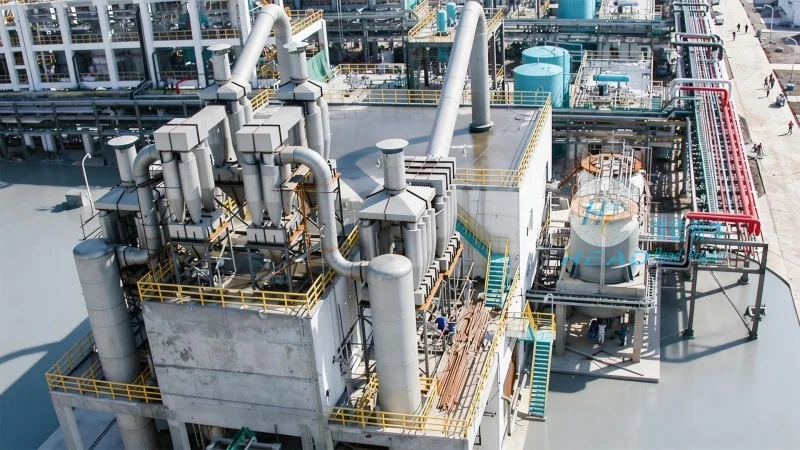
The working scene characteristics of an automatic quantitative powder material conveying line vary based on the specific industry and application. In the pharmaceutical industry, for example, such systems are used to handle active pharmaceutical ingredients (APIs) and excipients with high precision, as even small variations in dosage can impact the efficacy and safety of the final product. The equipment must meet stringent regulatory requirements, including GMP (Good Manufacturing Practice) compliance, which dictates that all components are cleanable, sterilizable, and free from contamination. The conveying line in this scenario often includes enclosed, sanitary design features, such as stainless steel construction, to prevent cross-contamination and ensure product integrity. In the food industry, similar principles apply, but the focus shifts to material safety and hygiene. The system may handle ingredients like flour, sugar, or spices, where consistent quality and contamination prevention are critical. The design may include features like air filtration systems to remove dust and allergens, and easy-to-clean surfaces to maintain compliance with food safety regulations. The chemical industry presents a different set of challenges, as it involves handling materials with varying properties, such as abrasiveness, corrosiveness, or reactivity. The conveying line may incorporate specialized components, such as wear-resistant liners or corrosion-resistant materials, to withstand the harsh conditions. The control system may also include additional safety features, such as explosion-proof designs, to handle potentially hazardous materials. In the agricultural sector, these systems are used to handle fertilizers, seeds, or animal feed, where large volumes and consistent flow are required. The equipment may be designed for durability and low maintenance, suitable for outdoor or rugged environments. The working scene characteristics, therefore, are tailored to the specific needs of each industry, ensuring that the conveying line operates effectively and safely in its intended environment.




