

What is a Kaolin Material Pneumatic Conveying Line? What Are Its Design Principles?
High-quality kaolin material handling requires efficient and reliable systems, and the pneumatic conveying line is a key solution for transporting kaolin powder and other fine particles. This article explores the concept of a kaolin material pneumatic conveying line, its core design principles, and the technical considerations that ensure optimal performance in industrial applications.
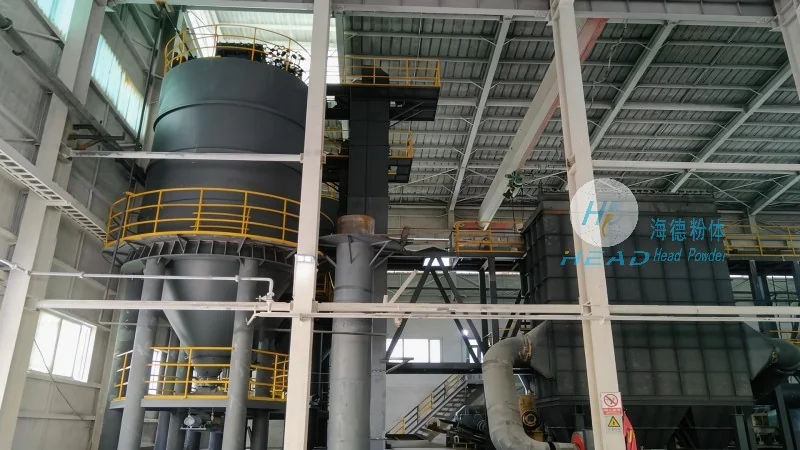
Understanding Kaolin Material Pneumatic Conveying Lines
A kaolin material pneumatic conveying line is a specialized system designed to transport kaolin powder and other fine particulate materials through a pipeline using air or gas as the conveying medium. Unlike traditional mechanical conveying methods, such as belt conveyors or screw conveyors, pneumatic conveying offers advantages like low maintenance, minimal product contamination, and the ability to handle materials over long distances without the need for multiple transfer points. The system typically consists of a hopper for material storage, a feeder to control the flow rate, a conveying pipeline, and a receiver to collect the material at the destination. The air or gas is introduced into the system through a blower or compressor, creating a pressure differential that propels the material through the pipeline.
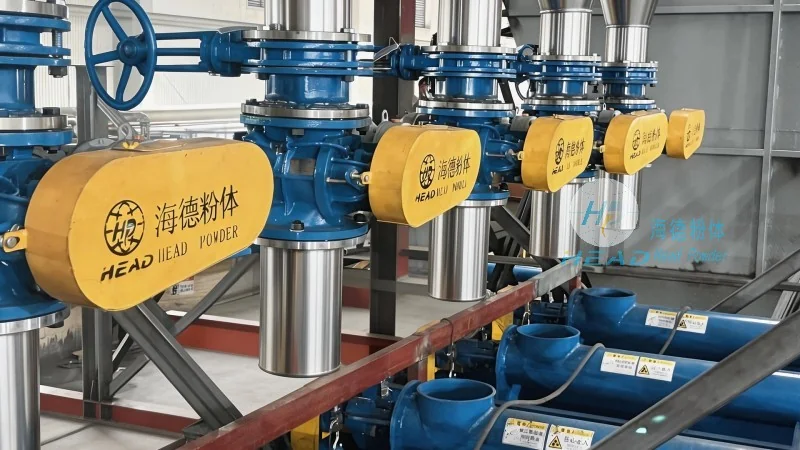
Key Design Principles for Kaolin Pneumatic Conveying Systems
The design of a kaolin material pneumatic conveying line is governed by several critical principles to ensure efficient operation and long-term reliability. First, the system must be tailored to the specific characteristics of the kaolin material, including its particle size distribution, moisture content, and flowability. These properties directly impact the conveying velocity and pressure requirements. For example, fine kaolin particles may require higher air velocities to prevent clogging, while coarser particles might need lower velocities to maintain a stable flow. Second, the system design must consider the distance and elevation changes between the material source and destination. The pressure drop along the pipeline, which is influenced by pipe diameter, length, and bends, must be calculated to ensure sufficient pressure is available at the end of the line. This often involves using pressure relief valves or booster units to maintain the required pressure throughout the conveying process. Third, the system must incorporate appropriate filtration and cleaning mechanisms to prevent material buildup and maintain air quality. Since kaolin is often used in applications like papermaking and ceramics, where purity is critical, the conveying line must be designed to minimize dust emissions and ensure that the material remains free from contaminants. Additionally, the system should include safety features such as pressure relief valves and emergency shut-off mechanisms to prevent over-pressurization and ensure operator safety.
HeadPowder Engineering: Expert in Kaolin Pneumatic Conveying Solutions
Shandong HeadPowder Engineering Co., Ltd., commonly known as HeadPowder, is a leading manufacturer and supplier of industrial conveying systems, specializing in the design and installation of kaolin material pneumatic conveying lines. With years of experience in the field, HeadPowder has developed a deep understanding of the unique challenges associated with handling kaolin and other fine powders. The company’s engineers work closely with clients to assess their specific needs, from material properties and conveying distances to operational requirements and budget constraints. This collaborative approach ensures that the final system is tailored to meet the client’s exact specifications and performance goals. HeadPowder’s product line includes a range of components such as high-efficiency blowers, custom-designed hoppers, and advanced control systems that optimize the conveying process. The company’s commitment to quality is evident in its adherence to international standards and rigorous testing protocols, ensuring that each system is reliable and durable. Clients can rely on HeadPowder’s expertise to provide not only the equipment but also comprehensive support, including installation, commissioning, and after-sales service. Whether for small-scale laboratory applications or large-scale industrial production, HeadPowder offers solutions that enhance efficiency, reduce costs, and improve product quality.
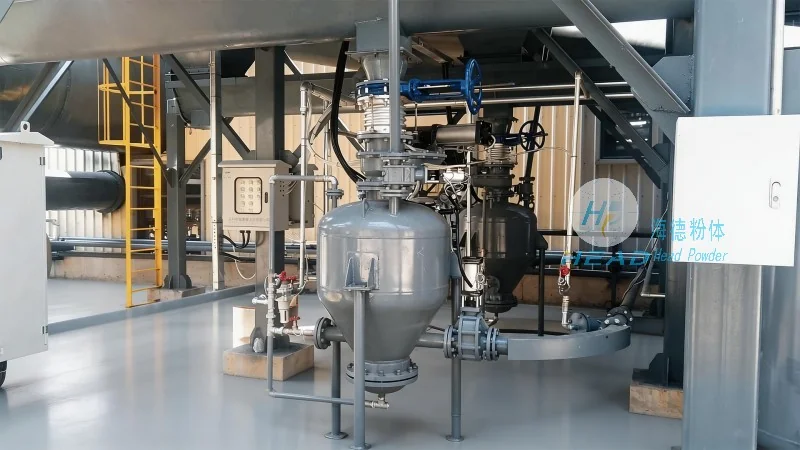
Benefits of Using a Kaolin Material Pneumatic Conveying Line
Implementing a kaolin material pneumatic conveying line offers numerous benefits for industrial operations. First, the system significantly reduces labor costs by automating the material handling process. Unlike manual or mechanical conveying methods, which require constant monitoring and intervention, pneumatic conveying operates continuously with minimal human involvement. This not only saves time but also reduces the risk of human error and workplace accidents. Second, the system improves product quality by minimizing contamination and degradation. Since the material is transported in a closed pipeline, it is protected from exposure to moisture, dust, and other environmental factors that can affect its properties. This is particularly important for kaolin, which is used in high-value applications where purity is essential. Third, the system enhances operational efficiency by allowing for seamless integration with other processes. For example, a kaolin pneumatic conveying line can be connected to a papermaking or ceramic production line, enabling a smooth flow of material from storage to processing. This integration reduces downtime and increases overall productivity. Fourth, the system provides flexibility in material handling. The conveying line can be easily reconfigured to accommodate changes in production volume or material types, making it a versatile solution for dynamic industrial environments. Finally, the system contributes to environmental sustainability by reducing the need for manual handling and minimizing dust emissions. By using a closed system, the company can comply with environmental regulations and improve workplace safety.